दिल की आवाज़ें | Sounds of the Heart
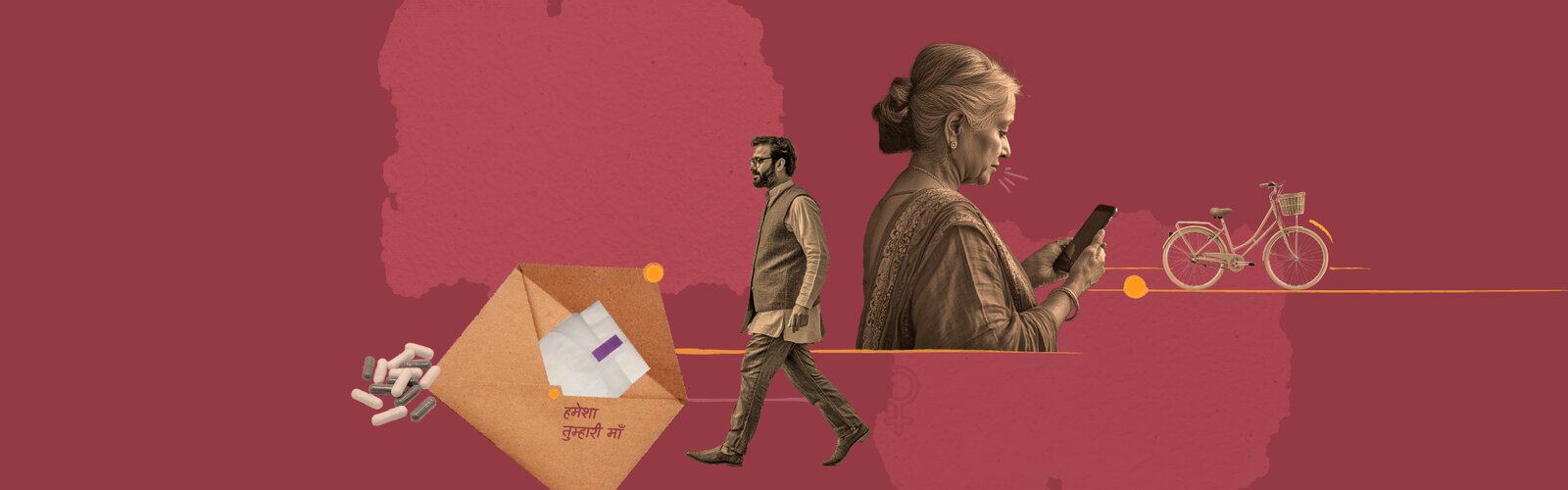
In this poignant episode, a mother shares her struggles with her son, a gender studies professor, offering a personal perspective on societal identity. In her message to him, she highlights the gap between academic theories and lived realities, reminding him, “You study gender; we women live it.”
Details
माँ-बाप से असहमति हम सब के बड़े होने की प्रक्रिया में शामिल होती है। जनरेशन गेप की वजह से दो पेढ़ी में विचारों की निराशा आम बात है। हम अकादेमी से जुड़े लोगों के लिए इसमे ऊव्यावसायिक आयाम जोड़ते हैं क्योंकि एक व्यक्ति और समाज को नई समाज देने का काम करते हैं। हम जब फर्जी पढ़ते हैं तो अपने काम की समाज को घर ले जाते हैं तो आसपास के लोगों को छोटा महसूस कराते हैं। हम बड़े बच्चों का कहना है कि जब ज्यादातर हो जाते हैं तब बुजुर्ग मां-बाप चुप हो जाते हैं क्योंकि जो कहते हैं हम सुनाते नहीं हैं। ‘दिल की आवाज’ नाम के इस एपिसोड में एक मां अपने जेन्डर स्टडीज के प्रोफेसर बेटे को अपने जीवन के संघर्ष सांझ कर समाज की पहचान बताती हैं।
- मयूर त्रिवेदी
There is a touch of the autobiographical in this poignant episode of Likhe Jo Khat Mujhe, presented by Mayur Trivedi. In Dil Ki Awaazein (Sounds of the Heart), a mother shares her life’s struggles with her son, a professor of gender studies. By relating her experiences, she offers a deeply personal perspective on societal identity, attempting to bridge the lacuna between lived reality and academic discourse.
Disagreements with parents are a natural part of growing up. As children leave the shelter of the parental nest and find their true selves in the outside world, the generational gap in worldviews often leads to differences in opinion with their parents. This is particularly true of those who work in academia, as the divide takes on a professional dimension. Conflicts arise when they are unable to draw the lines between their work, their convictions, and the home front. By foisting their academic theories on the home environment, they may unwittingly belittle their loved ones.
Educated grown children often flip the parent-child equation. They tend to dominate conversations, leaving elderly parents voiceless. Over time, the parents’ silence deepens — not because they have nothing to say, but because their children fail to lend them a patient ear.
It is this silence that the professor’s mother breaks with her timely message, which bubbles up out of the feelings that she has been holding back for long. She calls out the contradiction inherent in her son’s attitudes. Her message is chiding in tone, yet indulgent and understanding, reflecting the depth of her maturity and experience, and her generosity of spirit.
“See, my son, you study gender through books and teach it to students,” goes the professor’s mother’s message. “We women live gender. Maybe the notes I’ve taken from my life’s experiences will be useful in your classroom.”
Despite their differences, she urges him to keep learning, just as she continues to evolve. Her message is an appeal for understanding, mutual respect, and a bridge across their emotional distance.
Listen to Dil Ki Awaazein, Episode 3 of Likhe Jo Khat Mujhe only on Radio Azim Premji University.
Credits
Akshay Ramuhalli, Bijoy Venugopal, Bruce Lee Mani, Gorveck Thokchom, Narayan Krishnaswamy, Prashant Vasudevan, Sananda Dasgupta, Seema Seth, Shraddha Gautam, Supriya Joshi, and Velu Shankar
Acknowledgements
Mother voiced by M. Joshi Himani
Listen to all episodes in this series
-

सड़कों की आवाज़ें | Sadakon Ki Awaazein
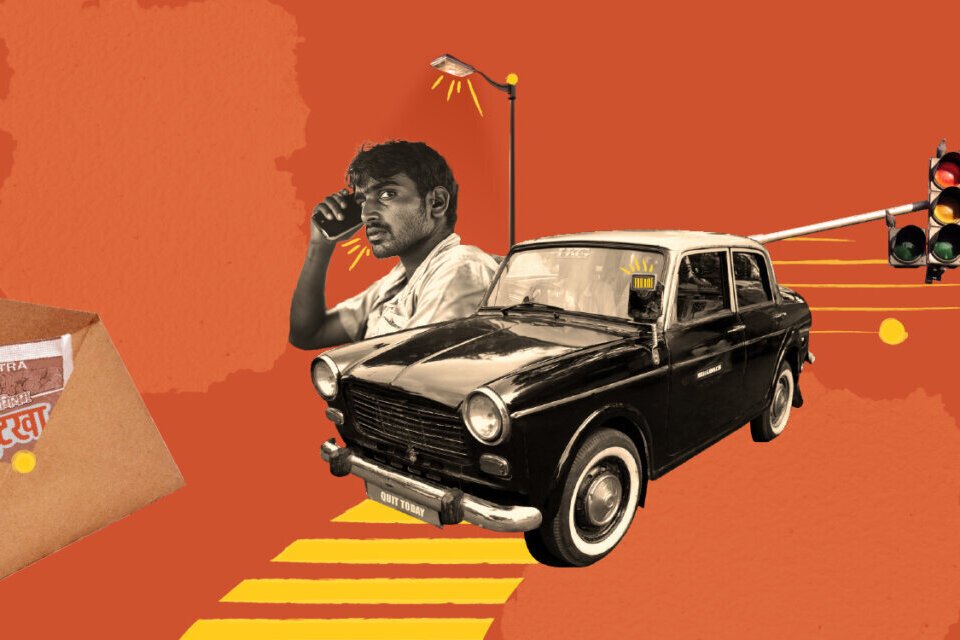
“If society or the government really wanted us to quit, they’d make it harder to access tobacco, wouldn’t they?” Ramesh asks. “But no, it’s available everywhere.” In the first episode of Likhe Jo Khat Mujhe presented by Mayur Trivedi, a public health researcher gets a letter from a taxi driver that raises thought-provoking questions.
-
जंगलों की आवाज़ें | Sounds of the Forest
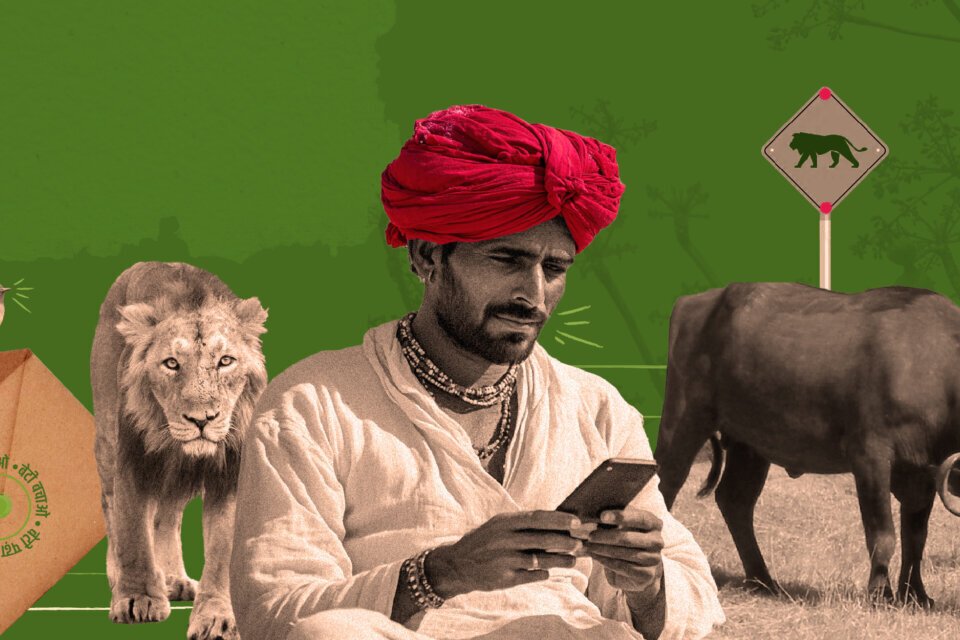
In this episode of Likhe Jo Khat Mujhe, Mayur Trivedi shares a heartfelt fictional letter from Bhikhabhai, a Maldhari shepherd who lives in the Gir Forest. Bhikhabhai says that in his pastoral community, having a son is not viewed as a rejection of daughters, but a necessity to ensure economic continuity. This poignant episode urges us to reflect on our inherent cultural biases and blind spots.