जंगलों की आवाज़ें | Sounds of the Forest
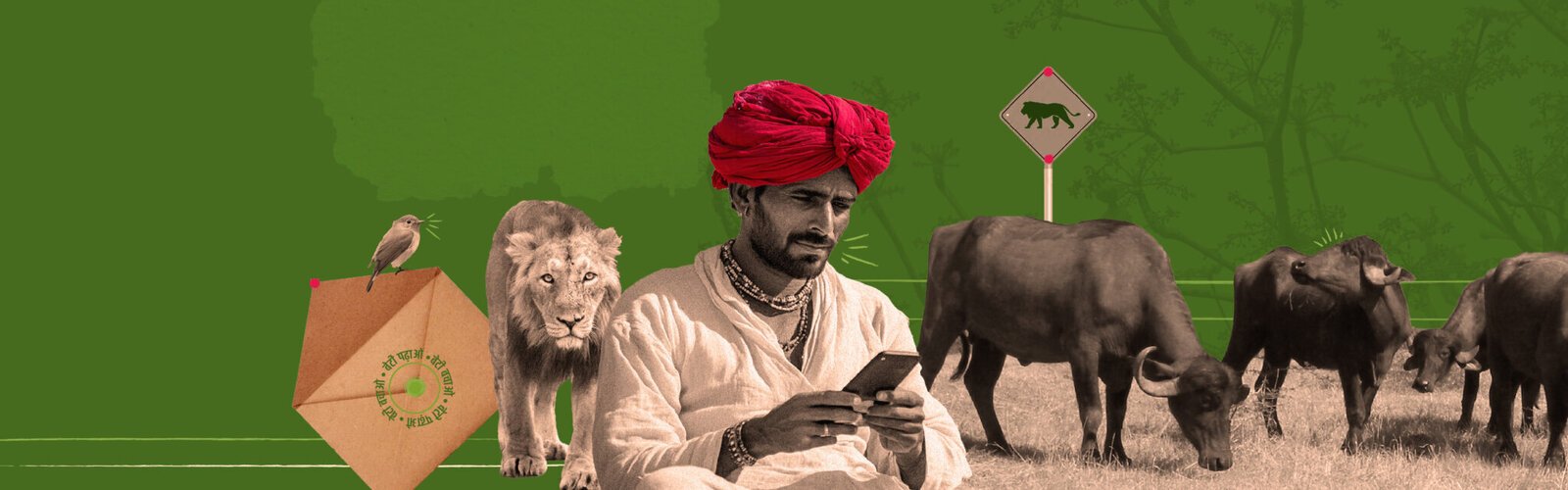
In this episode of Likhe Jo Khat Mujhe, Mayur Trivedi shares a heartfelt fictional letter from Bhikhabhai, a Maldhari shepherd who lives in the Gir Forest. Bhikhabhai says that in his pastoral community, having a son is not viewed as a rejection of daughters, but a necessity to ensure economic continuity. This poignant episode urges us to reflect on our inherent cultural biases and blind spots.
Details
नमस्कार। हमारे रिसर्च के काम मैं एक एथ्नोग्राफी नाम की पद्धति हैं जिस मे रिसर्चर किसी एक समुदाय के लोगों के जीवन को समझने के लिए उन लोगों के बीच जाकर उन्हीं की तरह जीता हैं, और उन निजी अनुभवों से अपने निष्कर्ष निकालता है। मेरा ऐसा एक काम मुजे गीर फॉरेस्ट ले गया जहां सदियों से इंसान और उनके मवेशी Asiatic Lions के साथ शहर‑गाँव से दूर जंगल की बीचोंबीच रहेते हैं। उन मालधारी समुदाय के साथ रह के मैंने ये जाना की शहर से दूर प्रकृति के साथ जीने वाले वनवासी लोग अपने जीवन के निर्णय कैसी कैसी मान्यताओं, जरूरतों, अनुभवों या मूल्यों के आधार पर लेते हैं। ‘जंगल की आवाजे’ नाम के इस एपिसोड मे सुनिए गीर नेशनल पार्क के भीतर से भिखाभाई मालधारी का एक पत्र जिसमे वो मुजे पॉपुलेशन कंट्रोल, सन परेफ़रस, और बेटी बचाओ के बारे मे अपने खयालात बता रहे हैं।
— मयूर त्रिवेदी
Campaigns run by the civil society and the government, which aim to address the issue of the declining child sex ratio, often meet with resistance from communities where tradition and livelihood are deeply intertwined. To truly understand their opposition to these programmes, one must be intimately sensitive to the everyday lives of these communities.
In this episode of Likhe Jo Khat Mujhe, host Mayur Trivedi, a public health researcher who teaches at Azim Premji University, Bhopal, shares a heartfelt fictional letter from Bhikhabhai, a Maldhari shepherd who lives in the Gir Forest.
Bhikhabhai recounts his interactions with the researcher, who had spent time with him and his community during an ethnographic field visit. Unlike other researchers, who kept their distance from the subjects of their fieldwork, this person had lived among the Maldhari people, sharing their meals and witnessing their daily struggles. This exchange left a lasting impression on Bhikhabhai, who pondered over the researcher’s advice to him about his preference for sons over daughters.
In his message to the researcher, Bhikhabhai reflects on this sensitive issue, which is rooted in the unique challenges of his community’s jungle-based lifestyle. He explains how their survival depends on cattle, community ties, and traditional roles. In his pastoral community, having a son is not viewed as a rejection of daughters, but a necessity to ensure economic continuity, care in old age, and social acceptance.
In Junglon Ki Awaazein, Mayur Trivedi invites listeners of Likhe Jo Khat Mujhe to reflect on their inherent cultural biases and blind spots, and reexamine how the life choices of remote communities are often determined by necessity rather than intent.
Credits
Akshay Ramuhalli, Bijoy Venugopal, Bruce Lee Mani, Narayan Krishnaswamy, Prashant Vasudevan, Sananda Dasgupta, Seema Seth, Shraddha Gautam, Supriya Joshi, and Velu Shankar
Acknowledgements
- Maldhari shepherd voiced by Gopal Hari (Instagram: @gopalhari_)
- Akoopar by Dhruv Bhatt — A Gujarati novel on the Maldharis of Gir
- Akoopar — The Play | Facebook
References
- NCAER | Son preference in India
- Down To Earth Magazine | Son preference in Gujarat