
Lessons from Practice
List of Lessons from Practice
-

Implementation of Forest Rights Act: Towards an Informed Collective Action by Stakeholders
By Team, Initiative for Effective Implementation of FRA, Azim Premji University | Nov 12, 2019
Effective implementation of the Forest Rights Act (leading to the improvement in the welfare of tribal communities and the management of forests on a sustainable basis) requires an informed collective action of different stakeholders both at the state (and national) level and also at the micro (village) level.
-


Intercultural Universities in Latin America: Lessons for India
By V Santhakumar and Gunther Dietz | Nov 6, 2019
Intercultural universities have emerged in the 21st century in the Latin American countries to address the limitations of conventional universities in addressing the needs of the indigenous people.
-
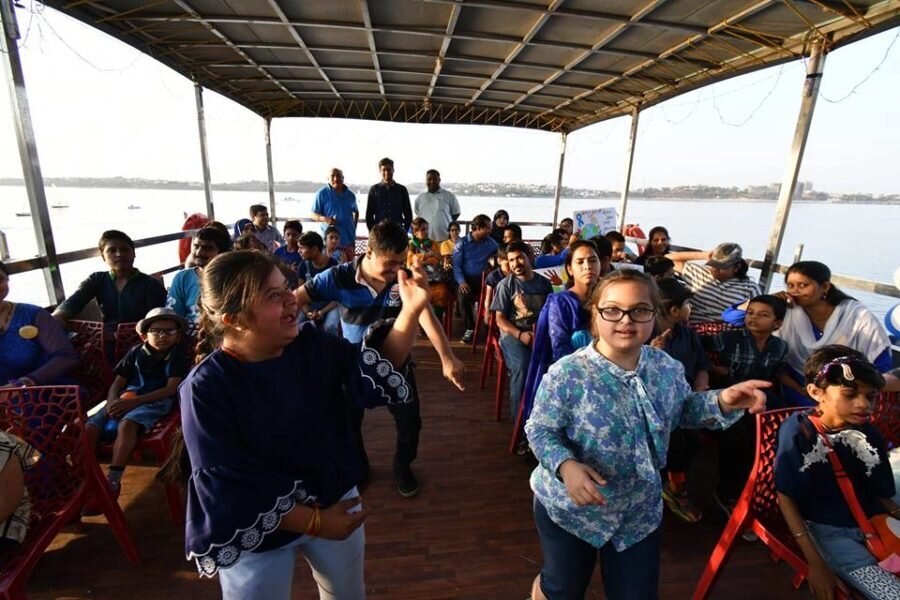
A Two-Pronged Strategy Towards Empowering People with Disabilities: Lessons from Arushi, Bhopal
By Shefali Tripathi Mehta, Ankur Madan | Oct 24, 2019
The focus of Arushi’s work is towards Inclusion and their approach is two-prolonged. On the one hand, they empower people with disabilities (PWDs) and on the other, they sensitise people without disabilities about the needs, requirements and the capabilities of PWDs.
-
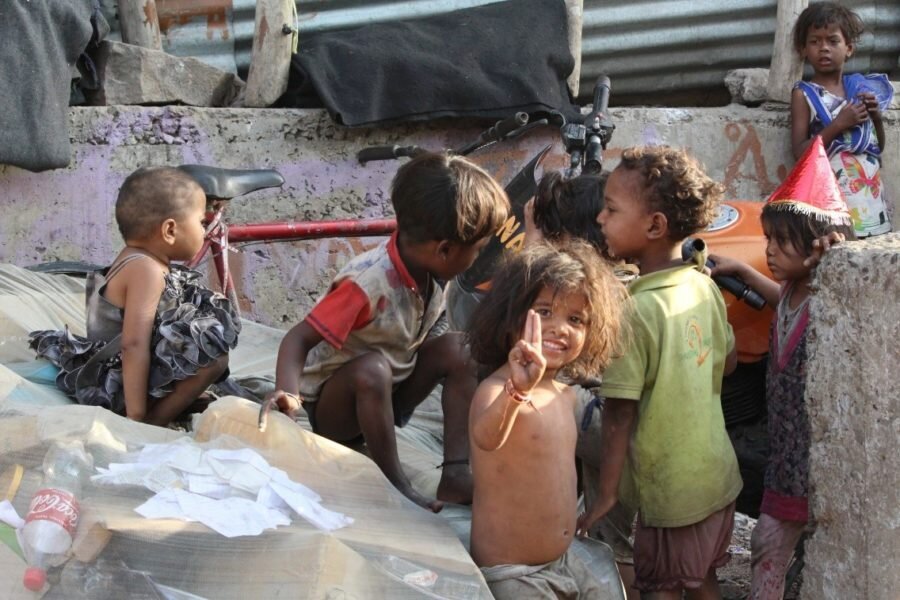
The Promise of Education in the Lives of Urban Adivasis: Lessons from Muskaan
By Ritika Gupta | Sept 26, 2019
Muskaan is an NGO working with vulnerable children and youth living in bastis in Bhopal on the issues of education, identity, violence, health and nutrition.
-
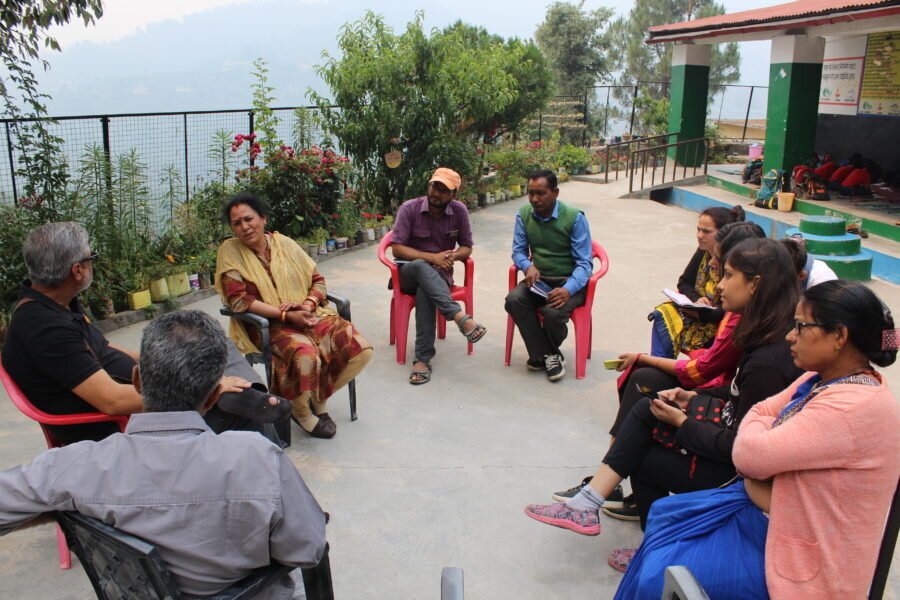
Sustaining the Momentum of a Transformation: Lessons from CHIRAG
By Santhakumar V, Anant Gangola, Subrat Mishra | Sept 5, 2019
CHIRAG, in the Kumaon region, is an NGO working on a number of issues, including water, conservation, education, livelihoods, and empowerment of women.
-
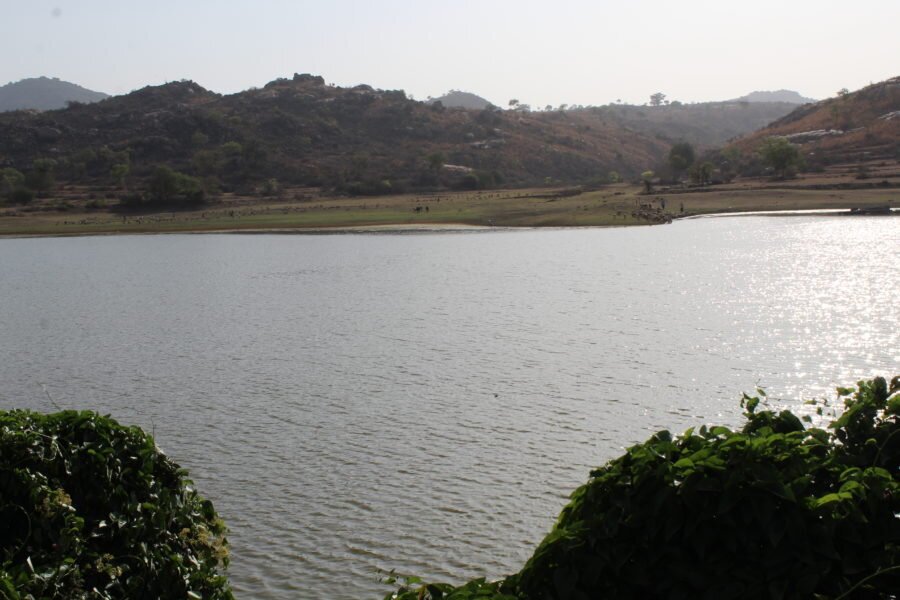
Management of Commons: Lessons from Foundation for Ecological Security
By Santhakumar V, Subrat Mishra, Anant Gangola | Aug 22, 2019
The primary focus of work of the Foundation for Ecological Security (FES) is the ‘ecological restoration and conservation of land and water resources, in the uplands and other eco-fragile, degraded and marginalised zones of the country’.
-
Community Volunteers Ensure Children’s Attendance in School: Lessons from Anandshala
By Members of Quest Alliance, Sharad Sure, Subrat Mishra, Santhakumar V | July 16, 2019
To encourage children to attend school, the Anandshala programme enlisted a group of boys and girls from the locality who had completed grades X and XII as ‘community champions’.
-
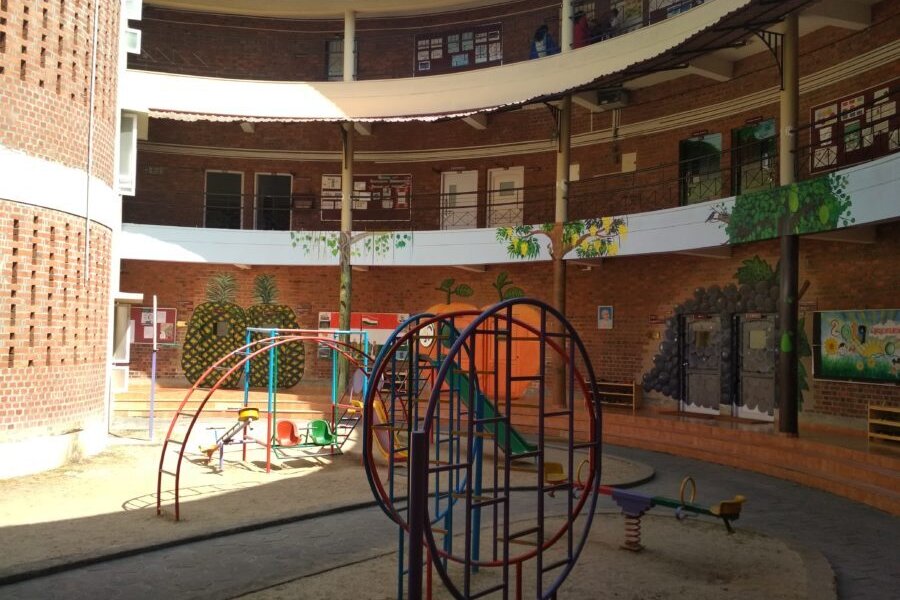
Early Intervention Programme: Lessons from National Institute of Speech and Hearing
By Ankur Madan | July 2, 2019
According to the 2011 Census data, 7.01 percent of children in the age group of 0 – 6 years in India have a disability, inborn or acquired. In this regard, early identification and intervention services can play a crucial role in prevention as well as remediation of the developmental delays that occur in young children.
-
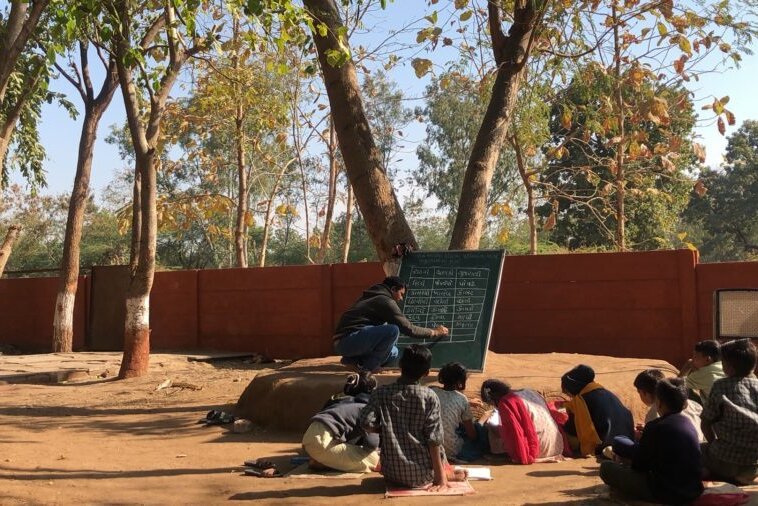
Safeguarding Tribal Languages: Lessons from Bhasha’s Adivasi Academy
By Shipra Suneja, Ritika Gupta, Rema Devi | May 14, 2019
The language of the marginalised, particularly, stands the risk of extinction (Devy, 2010). Losing a language would also mean losing the arts, rituals, beliefs and lifestyles of the community and its people. This report is based on our short visit to the Adivasi Academy.
-
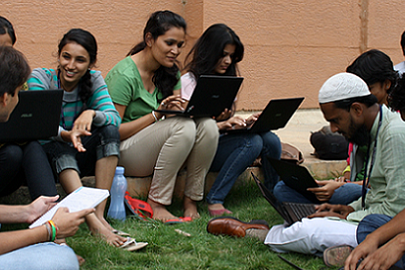

Universities for a Just, Equitable, Humane and Sustainable Society: Lessons for and from Azim Premji University
By Santhakumar V | Nov 27, 2019
There have been various experiments in higher education in different parts of the world to address social challenges beyond the practice of affirmative action. An assessment of these may help us contextualise the experience of Azim Premji University during the eight years of its existence. This paper identifies the challenges a university that aims to address social issues may face.
-
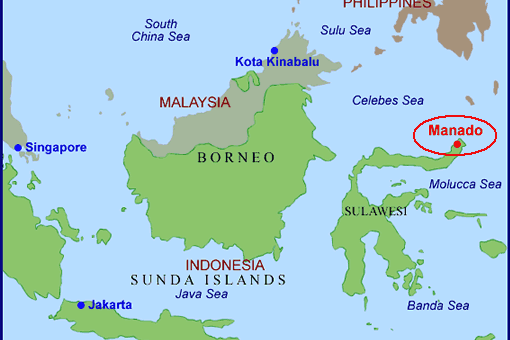

The Education of Children from Fisher Communities: Lessons from Indonesia, India and Brazil
By Santhakumar V and John Kurien | Feb 12, 2019
Residential schools for children of fisher families would prevent their exposure to the vocation of their parents. What are the options for their schooling?
-
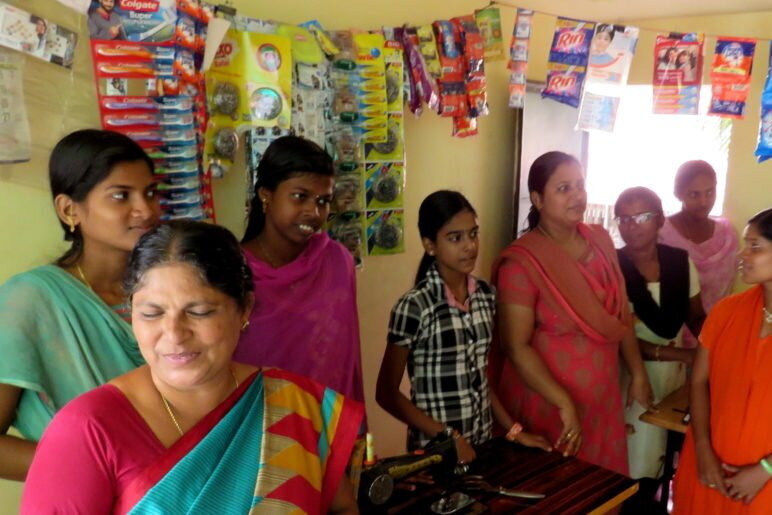

Social Actions That Followed the Total Literacy Campaign: Lessons from Malar, Kanyakumari District
By Santhakumar V, Anant Gangola, K K Krishna Kumar | Oct 25, 2018
The social actions that have followed the Total Literacy Campaign not only enabled the schooling of children in different ways but also galvanised social actions to address various other development issues.
-
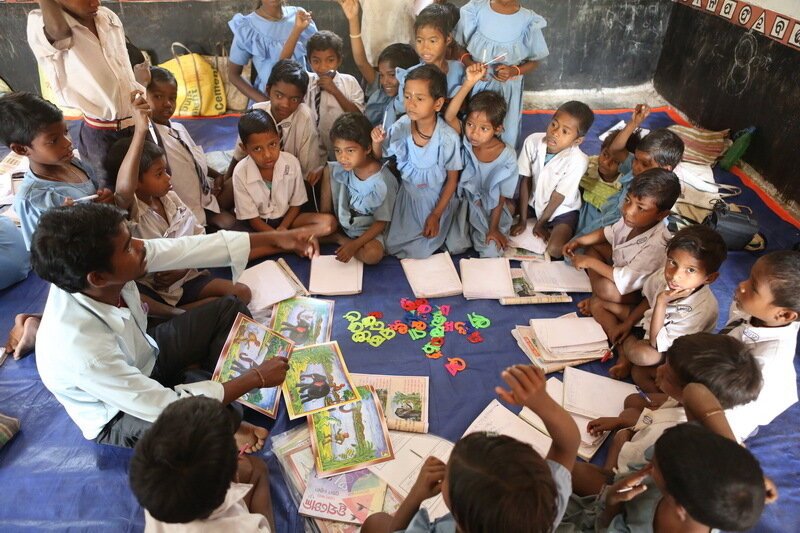

Role of Non-Governmental Organisations in the Education of Scheduled Tribes: Lessons from Sikshasandhan, Odisha
By Santhakumar V and Nazrul Haque | Oct 8, 2018
Tribal groups in India speak their own languages and not the mainstream language of the state they live in, which is a major hurdle in the education of their children. MLE and other innovative practices are being attempted in Odisha by NGOs, like Sikshasandhan.
-
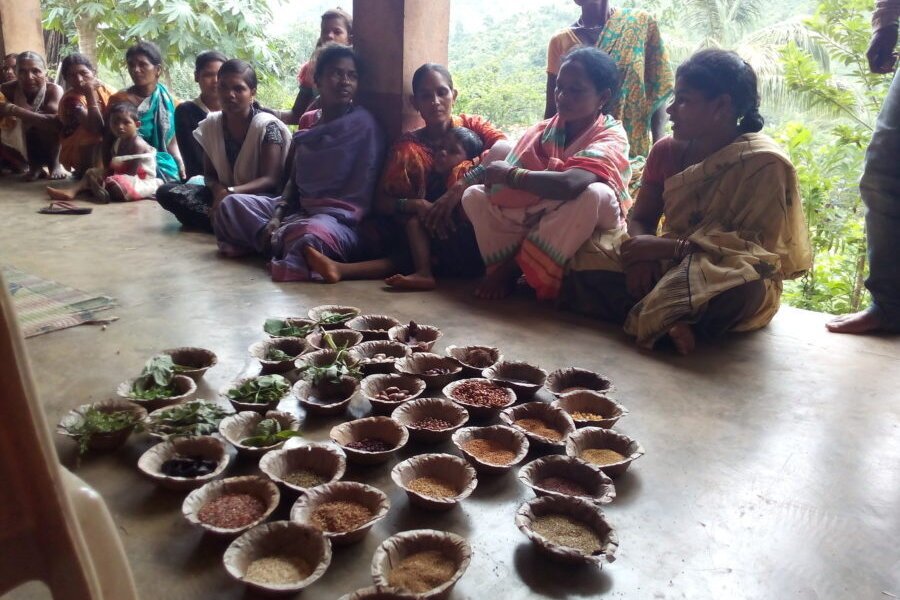
Improving the Nutritional Status of Tribal People: Lessons from the work of Living Farms, Odisha
By Santhakumar V and Amarendra Das | Sep 24, 2018
There are different approaches towards the human development of the tribal or the indigenous people. Broadly, one can see two extreme positions in this regard. The first is one of modernising these communities to integrate them with the mainstream population.
-
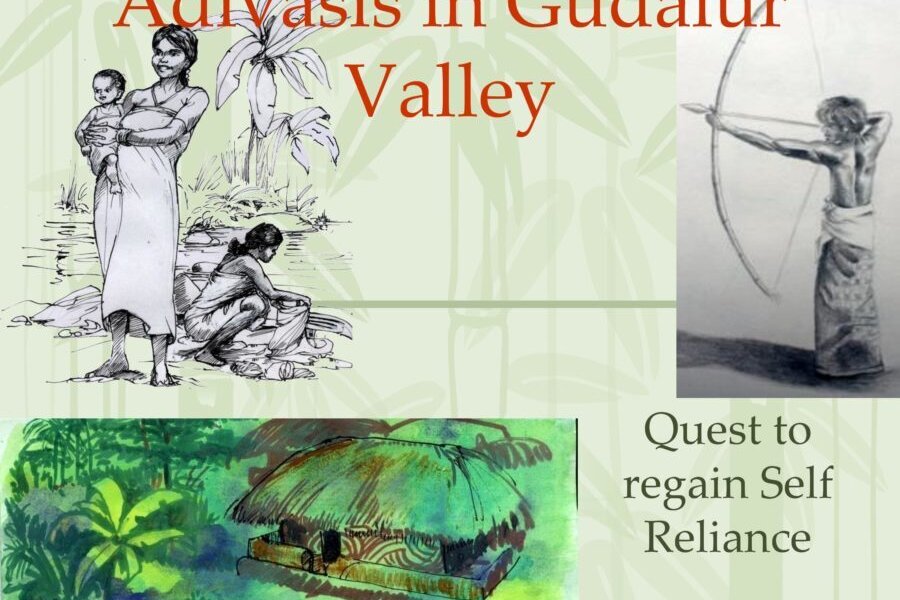
Social Movements Leading to Educational Change Among Marginalised Social Groups: Lessons from the work of Adivasi Munnetra Sangam
By Amman Madan, Rama Sastry and B. Ramdas | Sep 4, 2018
ACCORD’s work took off in 1985. Initiated by Stan and Mari Thekaekara and an Adivasi youth leader, KT Subramani, it aimed at building a cadre of youth who could get back the land that the people had lost.
-

Creative Language Development Among Tribal Children: Lessons from Agragamee’s CLDE Project
By Indira Vijaysimha | Aug 1, 2018
Agragamee, an NGO working with the marginalised and underprivileged communities in the tribal districts of Odisha has sought to address the problems confronting the universalisation of primary education in tribal areas in several ways.
-
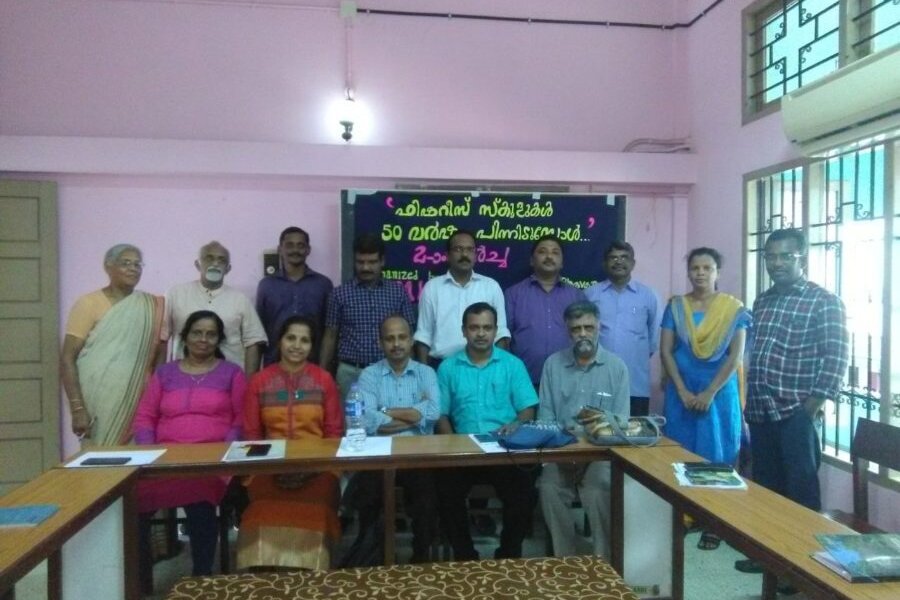
Schooling of Children from Fisher Families: Lessons from Fisheries Schools in Kerala
By Santhakumar V, John Kurien, Rema Devi | Jul 13, 2018
The world over, marine fishing communities which inhabit the coastal fringes of their countries, have adopted occupational and work practices which establish a special socio-cultural ethos for them and which tends to be different from that of the mainstream society.
-
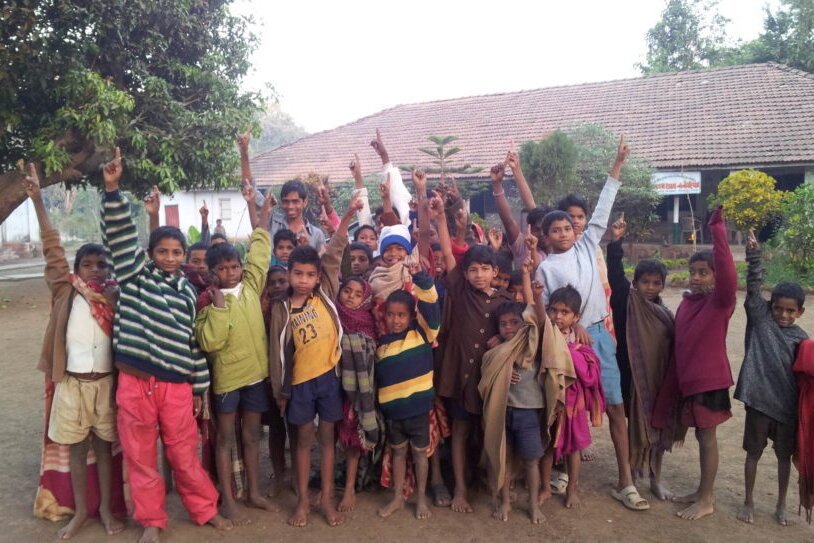

Schooling of the Scheduled Tribes in India: Lessons from the Education of Indigenous People in Brazil
By Santhakumar V and Amarendra Das | Jul 3, 2018
The Scheduled Tribe (ST) is one social group in India that faces the most difficult challenges in schooling. Though efforts are being made to address some of these, like providing education in their native languages in the primary grades (I‑III), many other challenges keep emerging.
-
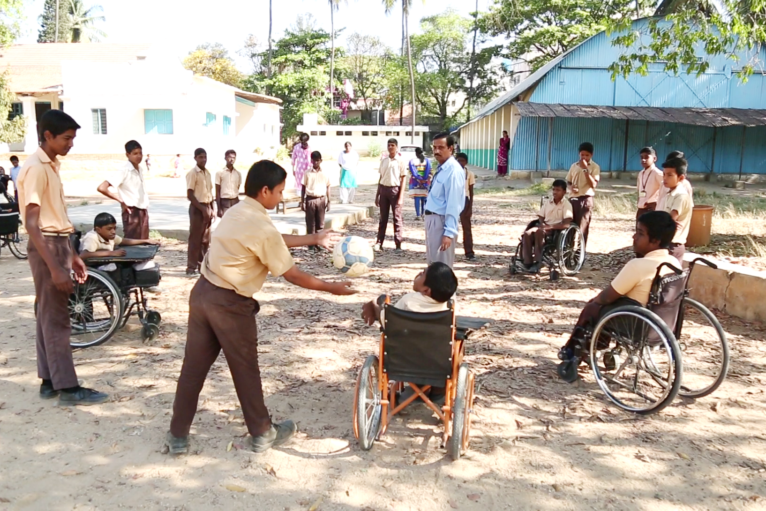

Inclusion of People with Disabilities: Lessons from Association of People with Disability
By Santhakumar V, Ankur Madan, Subrat Mishra | Nov 6, 2018
The Association of People with Disability (APD) acknowledges that disability rehabilitation is not merely a medical or a health issue, but more a social, human rights and justice issue. People with Disabilities (PWDs) encounter multi-dimensional barriers, and hence, APD follows a ‘combination of social and human rights model of disability’. -
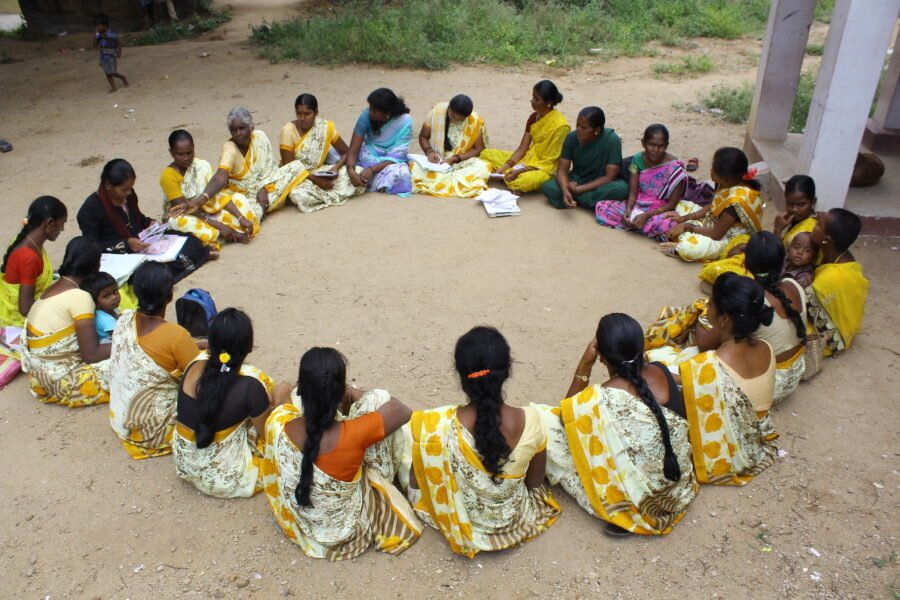
IVDP: A Viable and Sustainable Model of SHG-Based Lending: Lessons from Krishnagiri, Dharmapuri, and Vellore Districts of Tamil Nadu
By V Santhakumar, Anant Gangola, Subrat Mishra | Jun 5, 2018
The Integrated Village Development Project (IVDP) is a notable non-governmental organisation working in the Krishnagiri, Dharmapuri, and Vellore districts of Tamil Nadu. This is founded by Mr. Kulandai Francis, recipient of the Ramon Magsaysay Award in 2012.
-
The Working of a Fisher School: Lessons from Brazil
By José Bittencourt da Silva | Jun 1, 2018
The School of Fisheries (CEPE) is a full-time primary and secondary level municipal public school for the Education of Youth and Adult (EJA), located in Outeiro, an insular area of the municipality of Belém do Pará in Brazil…
-
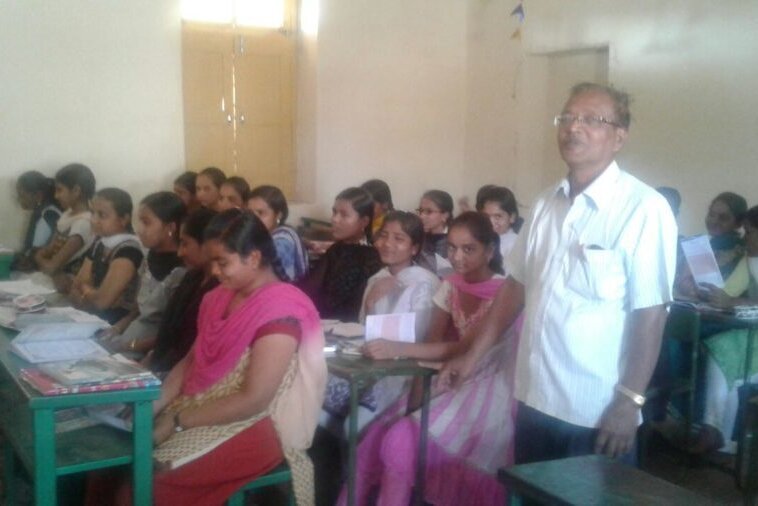
Engendering Social Transformation Through an Educational Intervention: Lessons from Samata Project
By Sreeparna Chattopadhyay and H S Srikanta Murthy | May 9, 2018
According to the 2011 Census, there are over 2.4 million adolescent girls aged 10 – 14 years who are married in India. Early marriage deprives girls of their legal entitlements to education…