Indian Coastal Region: Climate Projections 2021 – 2040
A glimpse of how the climate of the Indian coastal region is expected to change in the coming decades.
Details
“The fisherfolk of Rameswaram are knowledgeable about the eight different wind directions and know which wind brings which sort of fish. Older fishermen from the shore would be able to look out into a spot in the ocean and say which kind of fish and how much of it is out there. That knowledge though is being challenged by unpredictable weather patterns these days.”
-Athisaya
What seemed a distant possibility is now a reality that we are all part of. The impacts will intensify within the next 16 years.
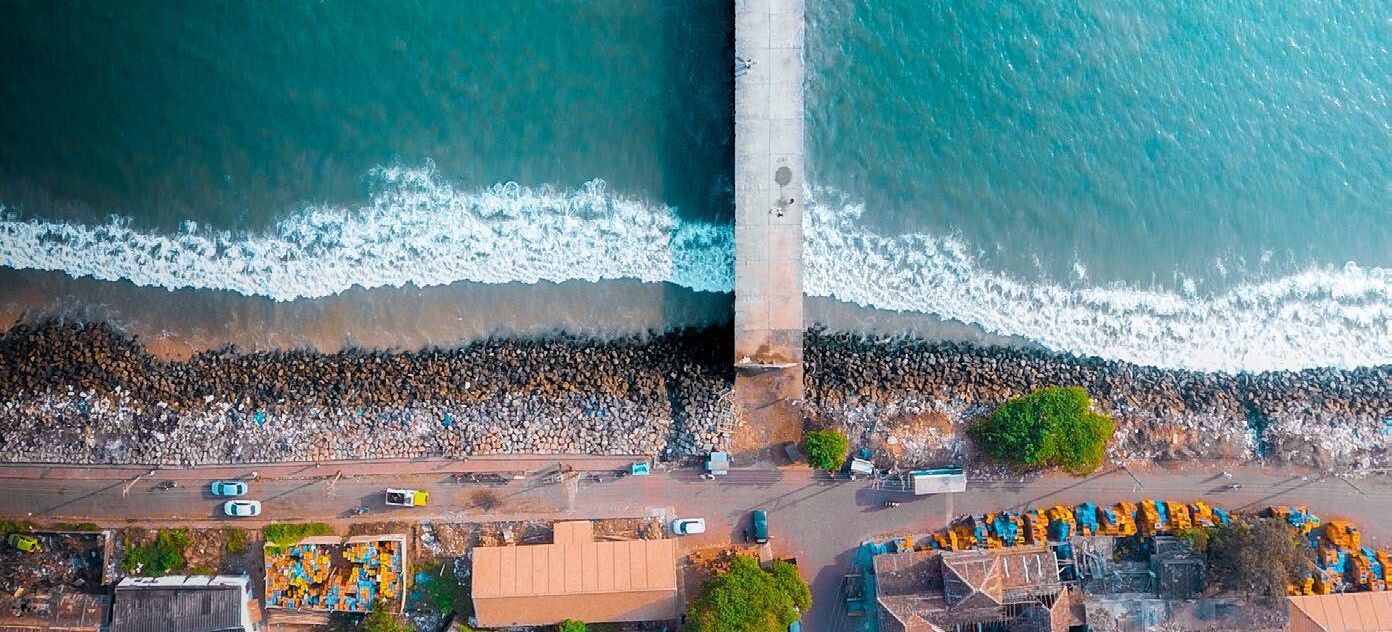
The Indian coastline is a dynamic mosaic of diverse landscapes, stretching from the salt marshes of Kachchh to the fertile deltas of the East. Characterised by golden beaches, dense mangrove forests like the Sundarbans, and rugged rocky cliffs, it hosts a vibrant marine ecosystem rich in biodiversity. These coastal waters support millions of livelihoods through fishing and trade, while acting as a crucial buffer against monsoonal shifts and rising sea levels.
The Indian coastal region is particularly vulnerable to climate change due to its geographical and socio-economic characteristics. This booklet offers a glimpse of how the climate of the Indian coastal region is expected to change in the coming decades. By using high-resolution data at a granular 25 x 25 km scale, this booklet provides precise climate projections that are essential for developing strategies to build climate resilience and adaptation.
Derived from CMIP6 models corrected for regional bias, the booklet aims to help various stakeholders make informed decisions in the face of climate change. The insights presented here are based on the SSP2‑4.5 scenario which assumes that society will take moderate steps to reduce emissions and adapt to climate change, leading to a future with moderate effects.
“Our hope is that this dataset will help us as Indians to relate to the immediacy of climate change and understand how it will affect our population even more than most parts of the world – especially the vulnerable. From a structural perspective on how our economy and society operates, datasets of this kind are very critical.”
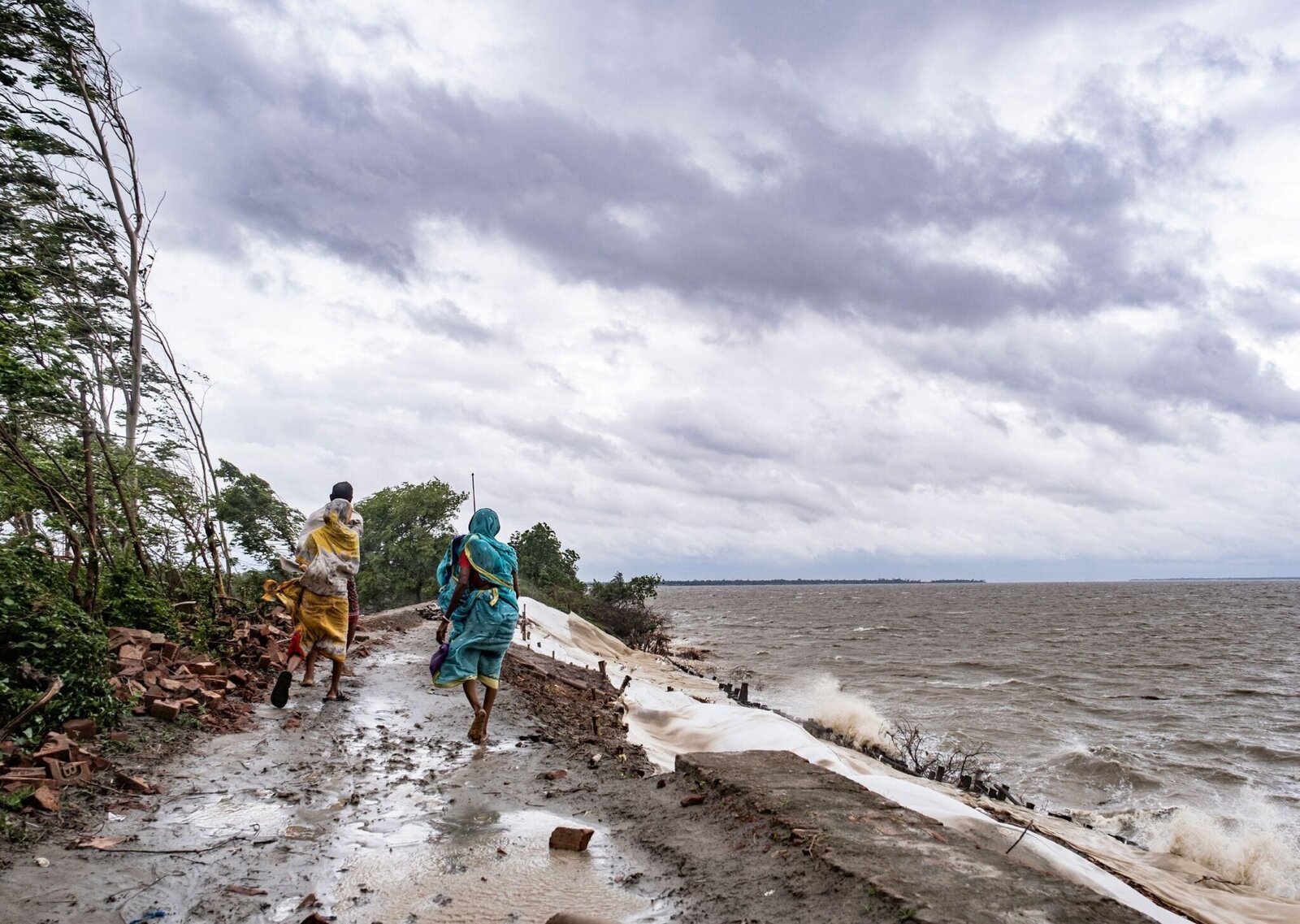

Projected climate changes
- Temperature increase: Average temperatures in India are likely to rise by 1.5°C by 2040. Coastal regions will experience significant increases in minimum temperatures, leading to more frequent and intense heatwaves.
- Rainfall patterns: While average precipitation is expected to increase, rainfall will become more concentrated in bursts, leading to unpredictable patterns.Some regions will experience increased rainfall, while others may see reductions.
- Sea level rise: Under the SSP2‑4.5 scenario, global sea levels are expected to rise by 15 cm from 2020 to 2050, with a range of 13 – 20 cm. This will exacerbate coastal erosion and flooding.
- Coastal erosion: Rising sea levels and intense storms will lead to increased coastal erosion, threatening infrastructure, homes, and livelihoods.
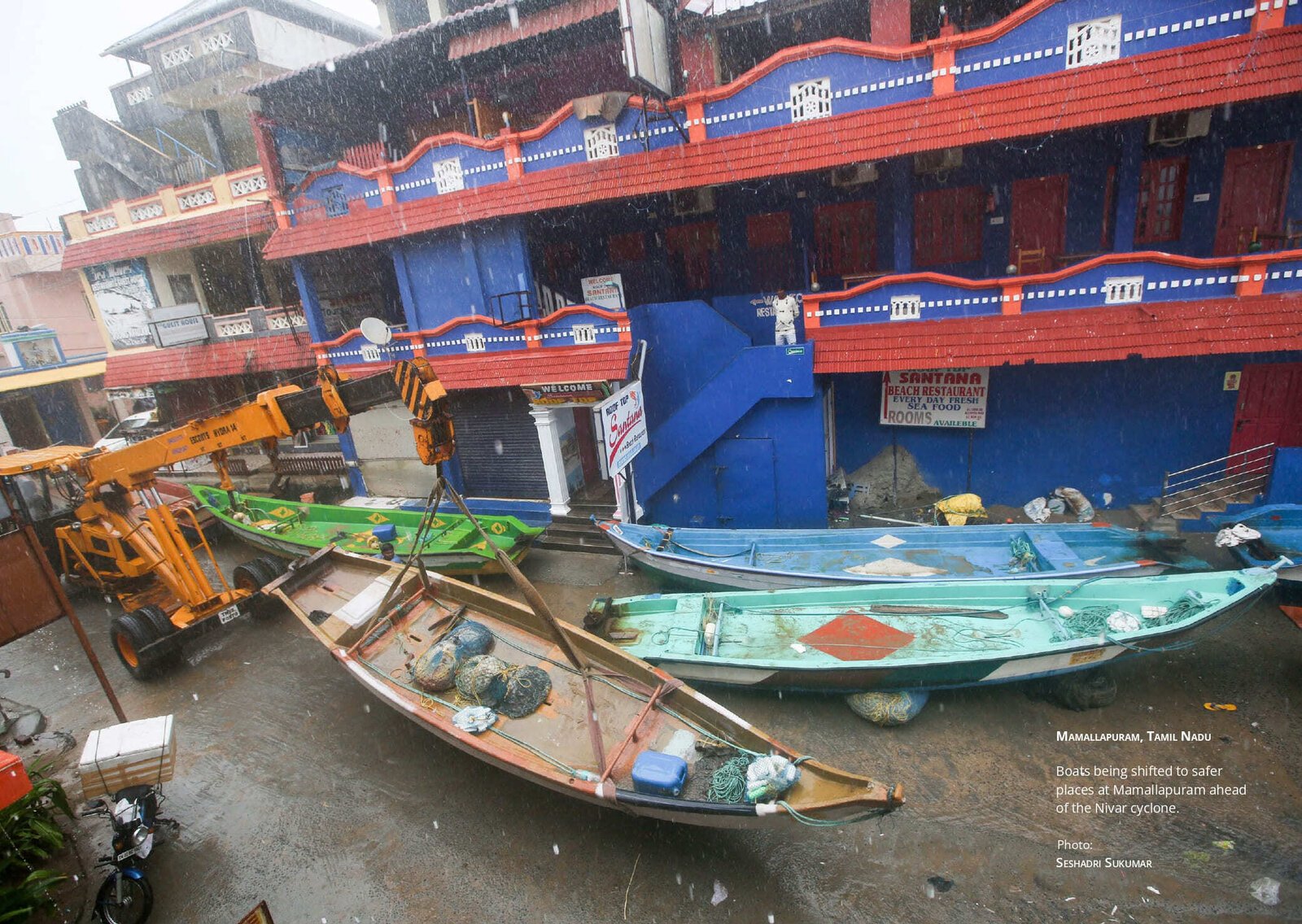
- Cyclones: Warming oceans will create favorable conditions for more frequent and intense cyclones, causing destructive winds, storm surges, and torrential rainfall.
- Salinity and health: Cyclones and rising sea levels will increase salinity in coastal areas, affecting agriculture, water quality, and human health.
Resilience and hope
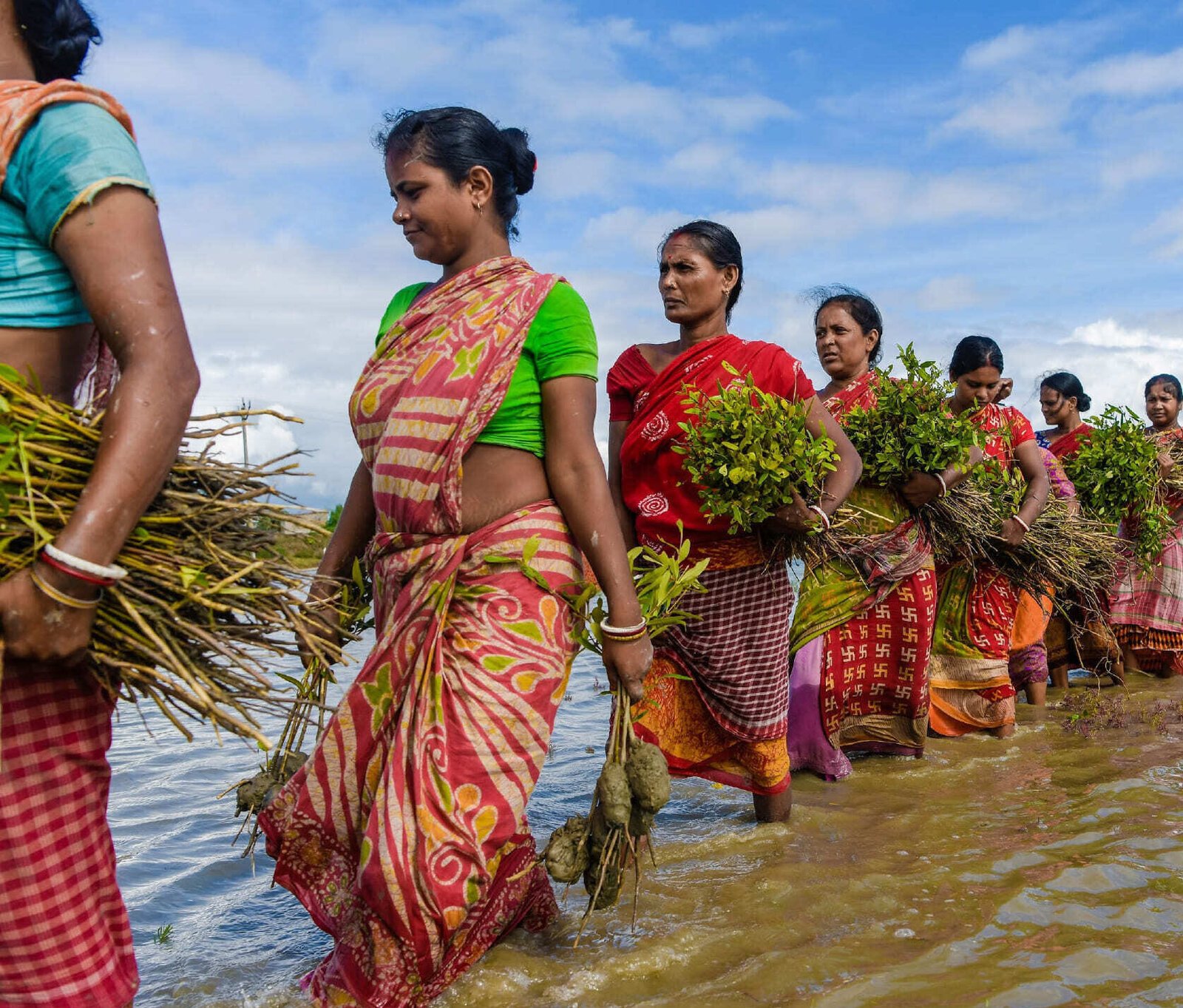
While climate change is affecting specific regions, for example, increased rainfall in coastal Gujarat and Maharashtra, intensified cyclones in West Bengal and Odisha, and rising temperatures in Tamil Nadu and Kerala, there are stories of resilience and adaptation too. Fishermen are adopting new practices, communities are working together, and efforts are on to restore ecosystems like mangroves.
It’s time that policymakers, businesses, civil society, and the general population collaborate and restructure infrastructure, business practices, education, and governance.