
TLM
Teaching Learning Materials in Geography — a variety to explore!
Details

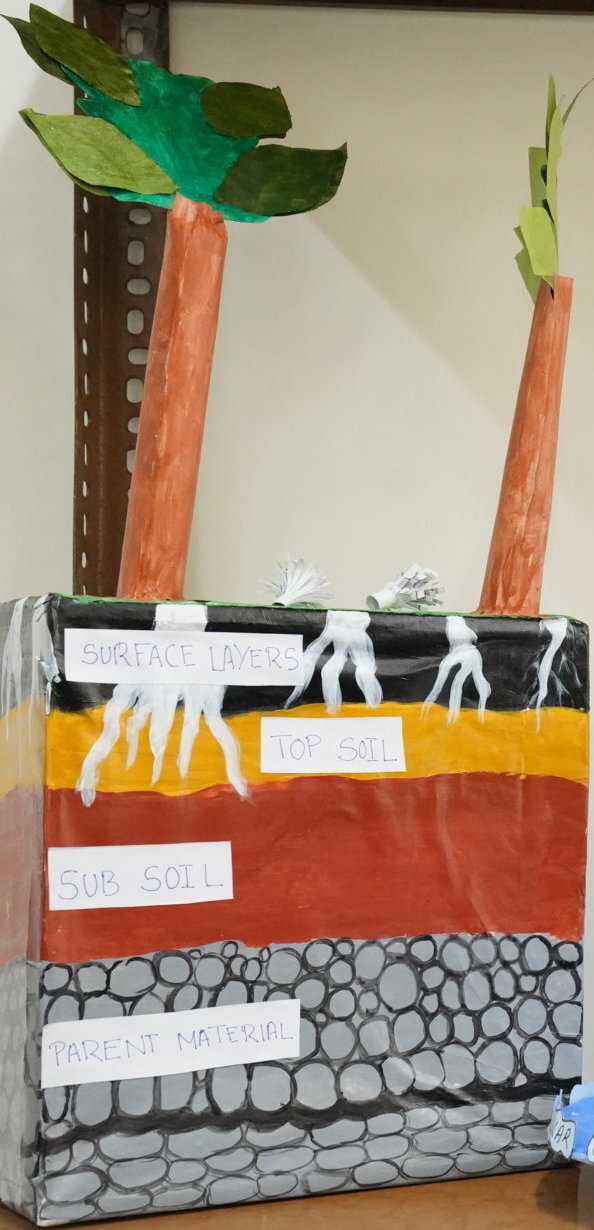
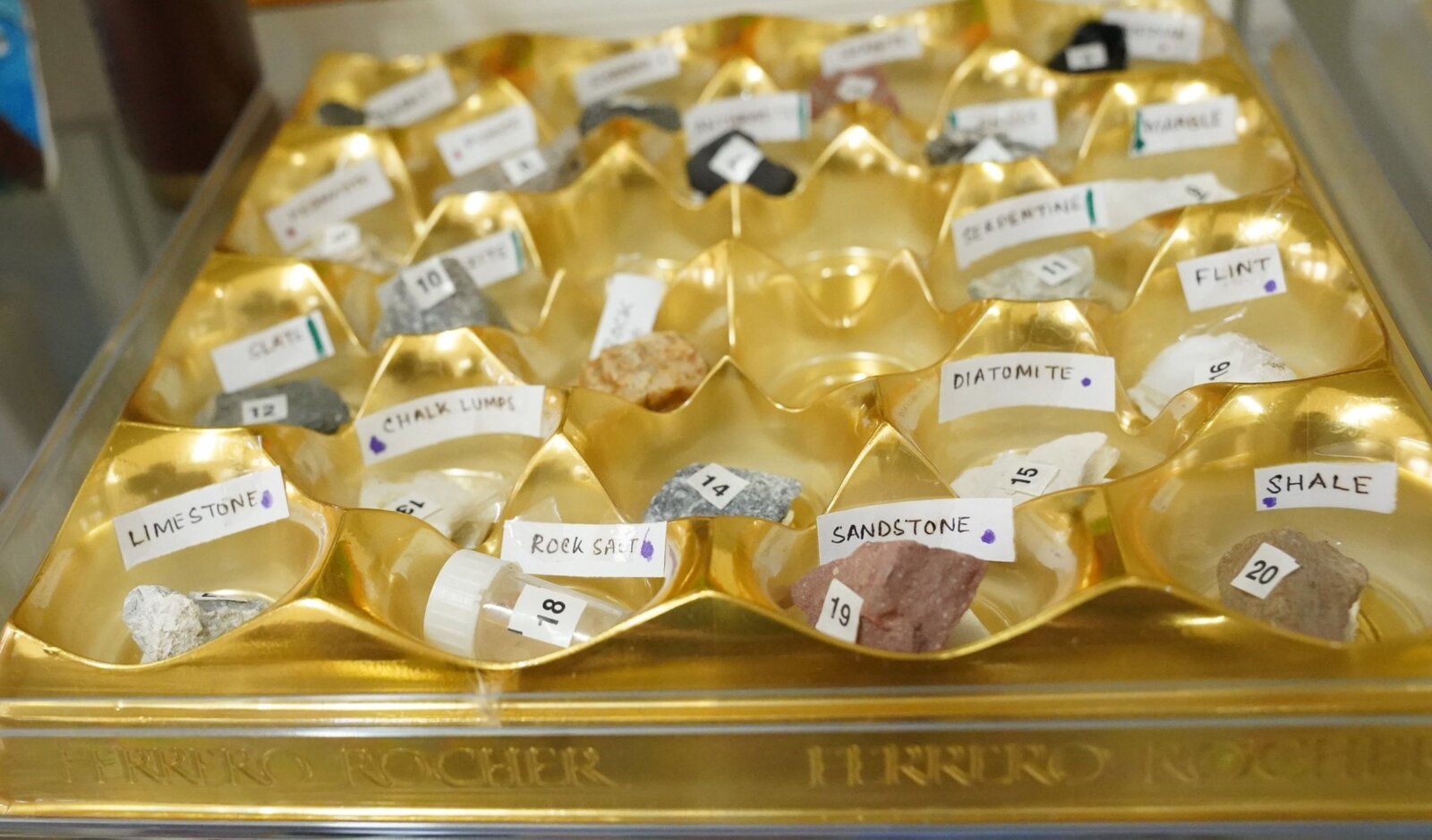
Geography models are a valuable tool for teaching and learning about different geographical concepts. They can help students to visualise and understand abstract concepts.
The models in this catalogue are all made from waste and recycled materials. These are low-cost or no-cost materials and reiterated that it is possible to create educational and informative models without using expensive or specialised materials
We hope that this catalogue will inspire other students and teachers to create their geography lab models from waste materials.
Explore the journey of Geography Lab towards inclusivity. Discover how tactile teaching materials and innovative practices are making geography accessible for all learners, regardless of their abilities or background.
In the geography lab, we encourage our students to use recycled or sustainable materials in creating the models. In preparing models, it is important to think about sustainability and the impact of our choices on the environment. For example, instead of using new plastic or glass containers, we utilised the used plastic containers. Used cardboard and chart papers from the craft room were used for making models of the soil profile.
Another example of using available and already used materials is creating a graticule (a tool used in geography labs to measure and map geographic features) using an old bulb.
We also created flashcards using waste papers to create interactive aids for teaching concepts. We covered a wide range of topics, including, geological processes, landforms, climate, physical and human geography.
Used chocolate boxes have been used for displaying various items such as rocks and minerals. Students are also being taught about the importance of reusing materials and reducing their environmental impact through the above examples.
Material collection by students from the Field Institute locations (of the Azim Premji Foundation) has been used in the geography lab. For example, rock samples, soil samples, and plant samples have been collected. These resources can then be used for observation in the lab.
Collecting resources for the lab not only provides students with a hands-on learning experience but also allows them to connect with the environment. It also gives students an opportunity to apply what they have learned in the classroom to real-world settings.
Click here for Tactile Materials in the Geography Lab →
Factsheets
This catalogue presents a diverse collection of maps available in the Geography Lab. We encourage you to browse the catalogue and find the maps that you need for your research, education, or travel planning.
Click here for Map Catalogue →
This catalogue is a comprehensive guide to the rocks and minerals in our geography lab. It includes information on the name, type of rock, texture, colour, formation mechanism, grain size, and composition of each rock. This catalogue will be a valuable resource for students, teachers, and researchers who want to learn more about rocks and their properties.
Click here for Rocks and Minerals catalogue →
India has a diverse range of rocks, soil, and natural vegetation. We are grateful to our students and faculties for collecting samples from different parts of the country.
Soil samples from various parts of India can be used to learn about the different factors that influence soil formation, such as climate, parent material, topography, and vegetation. We have also collected rocks and other natural materials from different parts of India.
The soil samples come from states all over India, including Andhra Pradesh, Assam, Jharkhand, Karnataka, Kerala, Maharashtra, Mizoram, Rajasthan, Tamil Nadu, Telangana, Uttar Pradesh, Uttarakhand, and West Bengal.
Click here for Rocks and Minerals catalogue →