
Fostering inclusivity on campus
Nurturing a culture of inclusion, equity and respect

Details
At Azim Premji University, we are deeply committed to fostering an inclusive environment where every student, regardless of their abilities, can thrive. We work closely with students and faculty to provide services and support for students with disabilities ensuring equal opportunity to participate in all aspects of the university programmes, services, and activities on our campus.
The Office of Disability Inclusion (ODI) is actively involved in delivering inclusive education services and promoting an inclusive culture on campus. ODI ensures that students with disabilities, including those with specific learning disabilities, autism spectrum disorders and other neurodiverse conditions, or those experiencing severe mental health, medical, or family crises, receive the support they need.
Our reasonable academic accommodations are tailored to meet individual needs, ensuring all students can access and succeed in their educational pursuits. We also provide reasonable academic accommodations for entrance tests based on individual needs. While students must meet the same foundational academic requirements, accommodations are tailored to their specific challenges. We support students with disabilities throughout the admission process.
Apart from anchoring the reasonable accommodations process, ODI provides
- learning support in collaboration with other teams
- help with assistive technology
- peer support
Learning/academic support is provided for students facing challenges in areas such as executive function, time management, planning, and study skills. We offer strategies to help them manage assignments, prioritise effectively and meet deadlines by creating structured schedules and setting realistic goals, ensuring students stay on track with their academic commitments.
We have been striving to enhance the integration and use of accessible technology both inside and outside the classroom. We currently use motorised wheelchairs for students with mobility challenges, assistive listening devices (in-class) for students with hearing challenges and refreshable braille display (when possible), screen readers and braille sheets for students with visual challenges.
The University is proactive in identifying assistive technology needs, procuring appropriate devices and providing training to use these devices/technology (for example, digital literacy training). This commitment to accessibility ensures that all students can engage with course materials and learning opportunities effectively.
Additionally, peer support is provided for students in and out of classrooms and during field practice or off-campus internships, ensuring their needs are met. Student volunteers assist students with disabilities in various capacities, while peer tutors provide course-specific support to students, including those on the autism spectrum or with learning disabilities.
We collaborate with faculty to implement inclusive teaching and learning practices, ensuring content accessibility and alternate assessment options for students with disabilities, fostering a universally accessible learning environment.
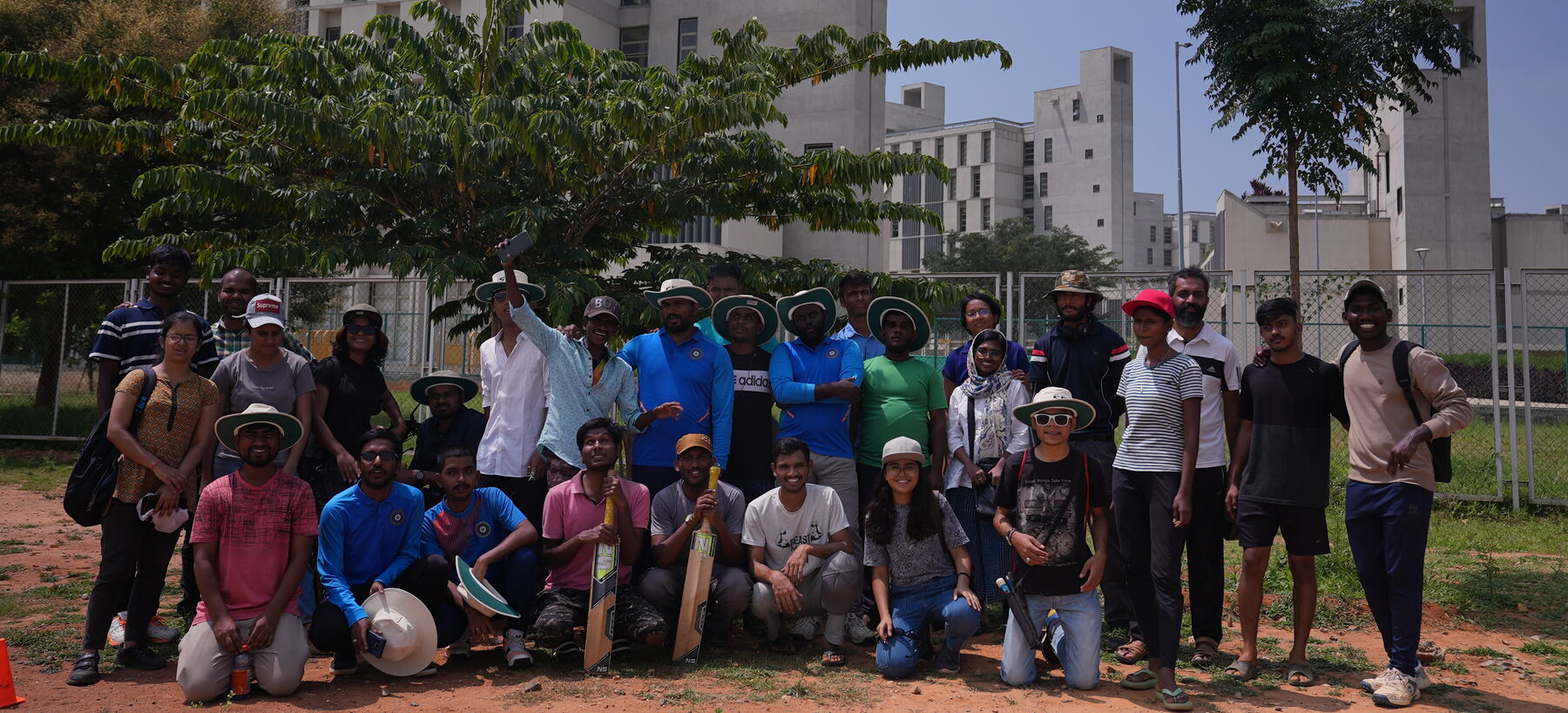
Apart from academics, students with disabilities actively participate in cultural and sports activities, supported by the Student Affairs and the Sports and Fitness Committee facilitated by the Office of Disability Inclusion. Inclusive culture is emphasised during sports and cultural activities.
We work closely with faculty mentors, programme coordinators, sports coaches and resident mentors to ensure comprehensive support for students with disabilities.
We strive to provide a barrier-free environment that enables students and members with disabilities to navigate the campus seamlessly and participate meaningfully in all its activities. Our campus is equipped with ramps and elevators, and we are working on our physical infrastructure (to create tactile pathways, etc.) to ensure ease of access for individuals with mobility and sensory challenges.
Beyond physical accessibility, we foster an inclusive campus culture by organising awareness programmes, sensitisation workshops, and training sessions for faculty, staff, and students. These initiatives help create an empathetic community that supports the diverse needs of its members. Our goal is to ensure that no member feels excluded due to barriers, whether physical, social, or academic.
The university is dedicated to fostering a culture of inclusion, equity, and respect. As we continue to grow, we remain steadfast in our commitment to ensuring that every student has the opportunity to succeed and contribute meaningfully to our University community.