
Factually Speaking
Author and publisher Tanya Majumdar gets into the nitty-gritties of creating books of environmental non-fiction for young readers.
Details
As a publisher, I’ve seen kids being drawn to environmental books. Nature, wildlife, and the environment fascinate them, fuelling endless questions: How do animals know where to go when they migrate? How do birds build nests? Why do animals become endangered? How do bats see in the dark? Why are peacocks’ feathers so colourful? Naturally, they gravitate toward books that nurture their understanding of these topics.
At a time when environmental challenges grow more urgent, these books do more than entertain. They foster awareness and empathy, spark curiosity, and cultivate a sense of stewardship. For children, environmental books are gateways to understanding the world around them and their role in its future.
In recent years, books of environmental non-fiction for children have become quite popular. They are focused on providing information, are a valuable resource for learning about specific topics and can help children develop critical thinking skills by encouraging them to analyse and evaluate the information presented.
If you’re an aspiring writer of non-fiction for children, here are some points you may like to consider:
Choose your topic wisely: Think about what fascinates kids, and the questions they often ask. What captures their imagination? It could range from the everyday (Why do ants march in a line?) to the bizarre (Why does poop look different for every animal?). Kids often find joy in topics that adults might shy away from. For instance, at Kalpavriksh, we published The Poop Book!, a fun and educational exploration of animal dung. While the subject might seem yucky to adults, it taps into the kind of gross-but-fascinating humour kids absolutely love. It has gone on to become one of our most popular titles, proving that no subject is off-limits.
Do some research to see what’s already out there. With so many excellent contemporary books being published in India, finding a fresh and unique subject is imperative.
Finally, write about what matters to you. For instance, I work with an environmental organisation that has spent over four decades advocating for communities’ rights to conserve their lands — a perspective often overlooked in a conservation framework shaped by colonial thinking. This motivated us to publish People and Wildlife, an anthology of ten stories inspired by true events in India, highlighting how communities protect their forests. Although we weren’t sure if such a topic would resonate with kids, the book was incredibly well-received, demonstrating the power of heartfelt, meaningful content.
Research is the backbone of your book: Great non-fiction starts with thorough research. When writing for children, accuracy is paramount, as your work might be their first introduction to a topic. That’s a significant responsibility you can’t take lightly. Dive into reputable sources: scientific papers, books and credible online resources. Whenever possible, immerse yourself in firsthand experiences. Visit the habitats you’re describing or observe the animals you’re writing about. These authentic encounters will lend credibility to your writing.
Publishers often offer guidance and support to develop promising manuscripts. I recall when we first received the manuscript for Travelling Seeds, it was brimming with potential — filled with charming rhymes about seed propagation that turned a seemingly drab subject into something fun and engaging. To ensure accuracy and add more Indian plants (as we prioritise books featuring India’s flora and fauna), we brought a botanist on board to assist the author. Together, we explored fascinating details: which seeds fly, which float, which hitch rides on animals, and even those that explode to disperse. This effort, spanning months of meticulous research and discussion, brought a most charming children’s book to life.
Think of your value addition: What sets your book apart from an encyclopaedia or a quick internet search? To truly resonate with young readers, your writing must go beyond delivering facts — it needs to add value. Adding value means connecting facts to emotions, experiences, or actionable ideas that ignite curiosity and create memorable learning moments.
For instance, My Nest is the Best, a book about the intriguing variety of bird nests, personifies birds as they describe how they build their homes — woven together in delightful rhyme. Critters Around Our Homes introduces children to urban wildlife like toads, frogs, butterflies and geckos, but instead of merely presenting facts, the author shares close encounters with these creatures, adding a personal connect and narrative charm.
Value addition can also come from how you combine facts and provide fresh perspectives. Take food, for example — a subject covered extensively in books. Yet, when I co-authored Something to Chew On, we explored food from unexpected angles: the history of crops in India, the diversity of food in remote regions, how our dietary choices affect the environment, and the deep connections between food and culture. By weaving together these elements, the book encourages kids to think of food in ways they may not have considered before.
Structure it right: Just like fiction, non-fiction too needs a clear structure with a beginning, middle, and end. The beginning sets the stage — pose an intriguing question or create a relatable character. In Why Are You So Colourful?, the book begins with Rangilee, a curious character who wonders why she isn’t as colourful as the birds and animals around her. This question draws readers in. The middle takes them on a journey of discovery, as Rangilee’s grandfather explains the many roles colours play in nature — camouflage, warning, attracting mates, and more. Finally, the end provides resolution for the character, which is important even in a non-fiction book. It helps reinforce the message of the book.
In non-fiction, your unique approach to presenting facts can be the spark that transforms information into inspiration.
Write the right amount: When using a character as a connecting thread in a non-fiction book, like the one described above, it’s important that the character serves a meaningful role in the story. Otherwise, the narrative can feel forced, with the character adding little value to the content. It’s tempting to add a protagonist for appeal, but this can lead to shallow characters that don’t enhance the learning experience.
Conversely, adding too many plot elements can take away from the content you are trying to focus on. When writing non-fiction for kids, deciding what to leave out is crucial. Be clear and concise because every word (added and removed) matters. Typically, there’s no room for footnotes, disclaimers, or lengthy explanations in children’s books of non-fiction.
Find your voice: Your voice or tone is how you sound to the reader. When writing about the environment, it’s easy to slip into the trap of preachy and moralistic storytelling. Instead of talking down to children, offer them a chance to pause, think and question.
While it is important to talk about current, real and difficult issues, it is also important to do so in an age-appropriate manner. Instead of painting grim doomsday scenarios, choose to write in a way that inspires a genuine desire in young readers to care for the planet. It’s essential to ensure that your book empowers rather than overwhelms. After all, kids don’t need another reminder of what’s out of their control; they need a sense of possibility and agency.
Crafting environmental non-fiction is as rewarding as it is challenging. Approach it with curiosity and care. You’re not just writing a book; you’re planting seeds of knowledge and love for the earth in young minds.
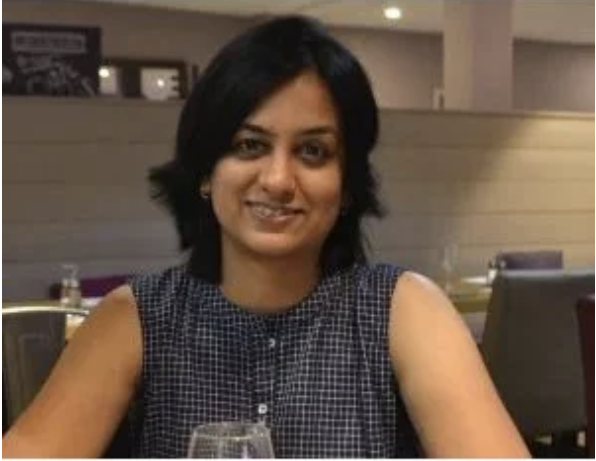
About the author:
Tanya Majmudar works with children’s publications and locale-specific education programmes for the environmental NGO, Kalpavriksh. She loves to see and learn about all wildlife but is partial towards frogs. Travel, music, books, dogs, and coffee are a big part of her life.