
Nurturing Nature in Urban India
A two-day conference to explore how Indian cities can be transformed into inclusive, just, life-affirming habitats — not merely “smart” cities, but truly sustainable and ecologically vibrant ones
Details

Building smart cities in the air
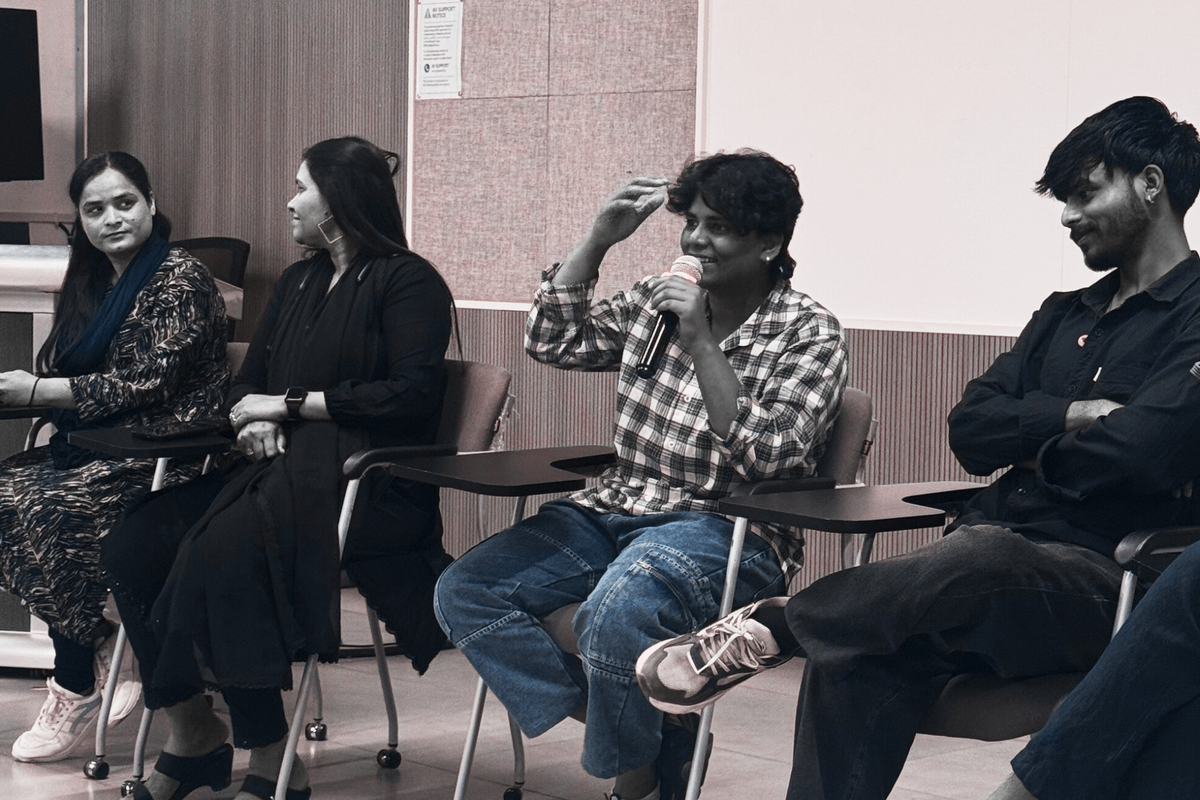
As Indian cities expand and race to fulfil their “smart” tag, a unique conference at Azim Premji University, Bhopal addressed the ecological and social costs of poor urban planning.
Campus Bhopal
Urbanisation is one of the most transformative global trends of the 21st century. Today, more than half of the world’s population lives in cities, and this figure is projected to rise to nearly two-thirds by 2050. In India, cities contribute almost two-thirds of the national economic output. However, rapid and often unplanned urban growth has placed immense pressure on natural systems, resulting in pollution, biodiversity loss, water scarcity and flooding, waste mismanagement, and unequal access to healthy urban environments
This two-day conference brings together scholars, policymakers, practitioners, industry stakeholders, and community actors to re-imagine Indian cities as complex socio-ecological systems — spaces where environmental sustainability, social equity, and economic development must evolve together. The conference aims to foster a relational shift in urban planning, focusing on the interactions between ecological and social systems rather than only on infrastructure expansion.
This conference is designed for:
- Academics and researchers
- Urban planners, architects, and policy professionals
- Environmental practitioners and NGOs
- Community organisations and civil society actors
- Students and early-career researchers
- Industry stakeholders working on sustainability and urban development
1. Urban Growth and Ecological Decline
Biodiversity loss, pollution, and environmental degradation driven by rapid and uneven urbanisation.
2. Planning, Infrastructure, and Environmental Justice
Unplanned development, waste and disaster management, and unequal social and ecological impacts.
3. Access, Equity, and Human – Nature Relationships
Who has access to green/blue spaces, playgrounds, and healthy environments — and the social consequences of exclusion.
4. Technology, Data, and Participation in Urban Ecology
Citizen science, AI/ML, GIS, and remote sensing for inclusive monitoring, planning, and decision-making.
5. Governance, Policy, and Sustainable Urban Futures
Environmental governance, institutional frameworks, and community participation for resilient cities.
6. Restoration, Adaptation, and Co-creating Urban Sanctuaries
Human-led ecological restoration, nature-based solutions, and adaptive strategies integrating people and ecosystems.
Do
- Submit original, unpublished abstracts aligned with conference themes
- Ensure clarity of research question, methodology, and contribution
- Follow submission deadlines strictly
- Acknowledge all collaborators and funding sources where applicable
Don’t
- Submit work under consideration elsewhere
- Exceed the word limit specified in the abstract form
- Submit promotional or purely commercial content
All submissions will undergo a rigorous peer review by subject experts from both campuses and external reviewers. Only selected abstracts will be invited for presentation
Q: What happens after abstract selection?
Selected presenters will be invited to participate in conference sessions. Based on the discussions, selected contributors will later be invited to submit full chapters for an edited volume on urban ecology, scheduled for publication by the end of 2026.
Q: Will the conference be recorded?
No. But we may request some of you for some social media bytes.
Q: Are there opportunities for collaboration?
Yes. The conference actively encourages networking and collaborative projects among academics, practitioners, NGOs, and policy stakeholders.
Important dates
Abstract deadline
Notification of acceptance
- –
Conference dates