Developing Teacher Competencies and Agency: Experiences of Teachers and Teacher Educators
For practitioners in India’s changing educational landscape
Details
The National Education Policy (NEP) 2020 and the National Curriculum Framework (NCF) 2023 place importance on teacher professional development in areas such as early childhood education, inclusion, and curriculum development, which reflect age appropriateness and are representative of children’s socio-cultural environments. While these policy imperatives and the rise in pre-service and in-service teacher development programmes are major achievements, they also raise questions around what competencies a teacher must embody to realise the new policy imperatives in this third millennium. The ambitions and goals set by the NEP and NCF also require teachers to operate with a great degree of agency and reflexivity in order to make key decisions that create educational spaces that are inclusive, stimulate curiosity, and foster care.
This webinar explores how these policy visions reimagine teacher competencies and agency. Through discussions with practitioners and educators, the session will examine the shifting roles of teachers. It will also reflect on the enabling conditions — such as institutional support, in-service professional development, and collaborative cultures — that make agency possible. Join us as we engage in a critical dialogue on what it means to be a teacher in India’s changing educational landscape.
Who should join?
The webinar is ideal for schoolteachers, special educators, counsellors, and school heads working in private and public-school systems in India.
Panelists
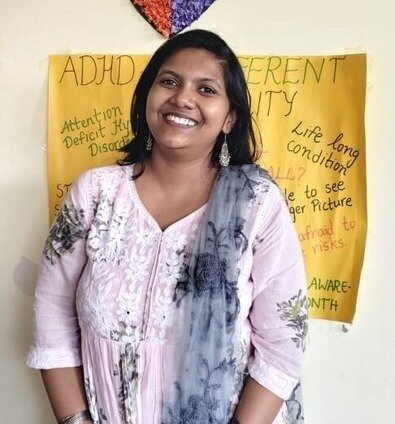
Sharanya holds degrees in Rehabilitation Science and Psychology, a Diploma in Teaching Children with Learning Disabilities from Azim Premji University, and additional qualifications in Early Intervention from HOPE, with certification from the Madras Dyslexia Association (MDA). With 10 years of experience, she has worked with toddlers, primary, middle, and high school students, as well as young adults. She has served as a Special Educator and Vocational Trainer in special schools, home programmes, and NGOs, and is currently the Special Educator for middle and high school at Presidency School as part of Vriksh Psychological Support Services, supporting students with autism, ADHD, intellectual disabilities, and learning disabilities. Sharanya believes that every child can learn at their own pace and is passionate about inclusive classroom practices, developing teaching aids, sensitising students and teachers about neurodiversity.
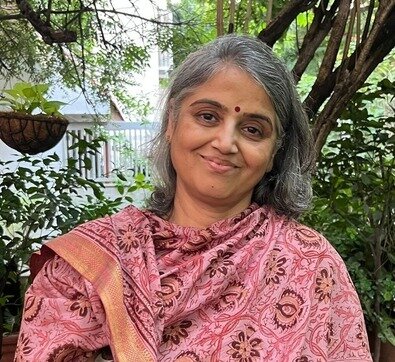
Sandeep Saihjee teaches young children between the ages 2.5 to 7 years. With over 22 years of experience with a Montessori school, she is now a part of the Shivnadar group of schools. She has been a keen learner in her journey as an educator, with several diplomas and certificates in early childhood education, mental health and most recently, Inclusive Education from Azim Premji University.
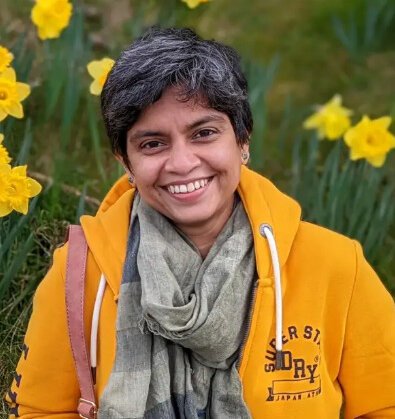
Aarthi is a passionate early childhood educator and teacher educator dedicated to exploring how psychology, learning, and play intersect in the lives of young children and adults. As a trainee Therapeutic Play Practitioner and Creative Arts and Play Therapist, she is deeply curious about children’s asynchronous development and how they construct meaning in the world around them. Her experience spans a range of curriculum models and pedagogical approaches, including Montessori, Reggio Emilia, and play-based learning. Currently, she works in the roles of English teacher, play therapist, and adult collaborator and trainer, bringing a holistic and relational lens to both classroom and professional learning spaces.
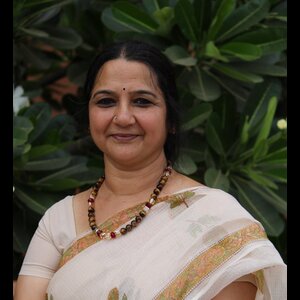
Moderator — Aruna V, Faculty, School of Education, Azim Premji University.