
The Women Who Weave India’s Flag | ನಮ್ಮ ಧ್ವಜದ, ಹಿಂದಿನ ಧ್ವನಿಗಳು
In Bengeri in Hubballi, far from the fanfare of parades and speeches, the Indian tricolour is born. Here stands the Karnataka Khadi Gramodyoga Samyukta Sangha (KKGSS) — founded on November 1, 1957 by Venkatesh Magadi and Leelavati Magadi. It is the only place in the country which manufactures the national flag according to the flag code.
Details
Every flag that flies high from Red Fort to the smallest panchayat office could have begun its journey here, in the hands of women who carry forward a legacy woven into our freedom itself.
This institution is more than a workshop — it is a living reminder of khadi’s place in our history. Long before Gandhi made it the emblem of self-reliance and resistance, Alexander the Great’s men spoke of India’s fine hand spun cloth.
Subscribe on YouTube
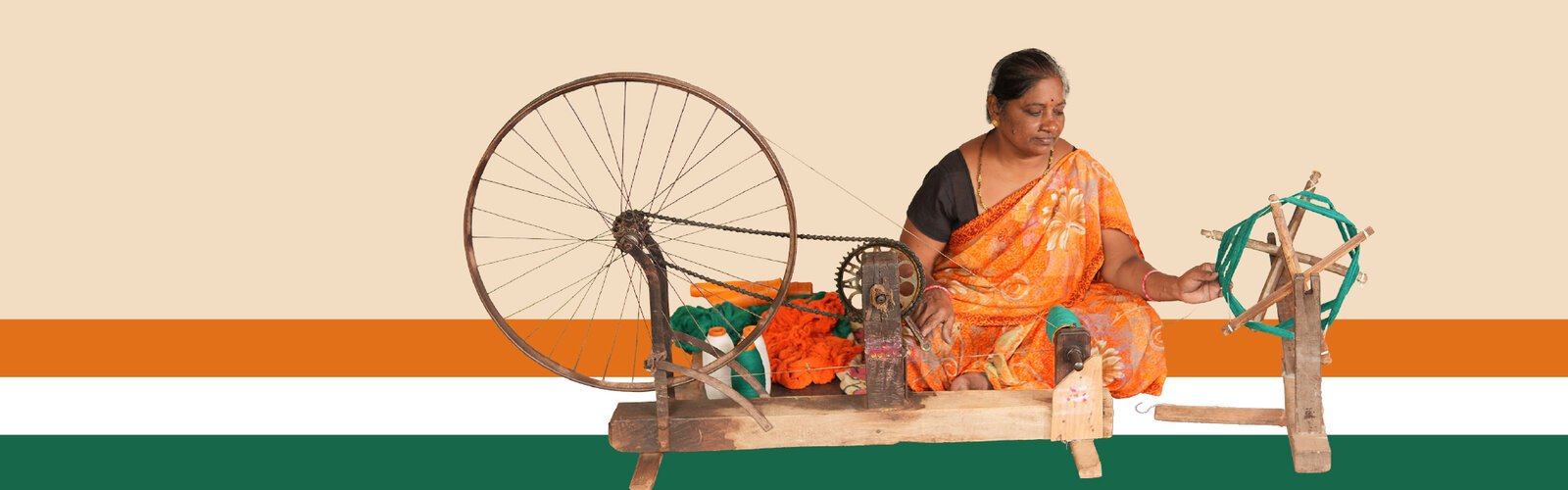
During the freedom struggle, the charkha and khadi became a call to dignity and independence, drawing both men and women into a united cause. Our earliest flags bore the spinning wheel at their centre.
At Bengeri, that spirit still hums in the steady hands that dye, cut, and stitch. The cloth is spun and woven in Bagalkot — where over 1,200 women find employment — and then dyed and stitched into the tricolour in Hubballi, where 60% of the workforce is women. All in all these centers employ 35,000 men and women across India.
For decades, these centres had work year-round, with overtime during Independence Day and Republic Day. But the story has taken a sobering turn. Until 2022, only khadi flags — spun and woven by hand — could be officially hoisted.
An amendment to the Flag Code now permits polyester and machine-made flags. Orders have slowed to a trickle. The Sangha now sits on unsold stock worth crores. As veteran worker Krishnamma Herelingappa, who has been here for 22 years, says, “We need younger women to come and continue this work.”
In this episode of Noorakke Nooru Karnataka, Varsha Ramachandra visits Bengeri to witness the journey from cotton to flag — and to meet the women who keep this tradition alive, even in uncertain times. Their work is not just about making a flag; it’s about preserving a thread that runs from the spinning wheels of our past to the ideals of our future.
This Independence Day, as the tricolour flutters above us, perhaps we can choose one made of khadi — to carry the weight of history, the touch of many hands, and the quiet pride of a craft that has always stood for freedom.
ಈ ಆಗಸ್ಟ್ 15 ರಂದು, ದೇಶಾದ್ಯಂತ ತ್ರಿವರ್ಣ ಧ್ವಜ ಹಾರಾಡುತ್ತಿದ್ದಂತೆ, ಹುಬ್ಬಳ್ಳಿಯ ಬೆಂಗೇರಿಯನ್ನು ನೆನಪಿಸಿಕೊಳ್ಳಿ ಏಕೆಂದರೆ, ಅದು ತನ್ನ ಪ್ರಯಾಣವನ್ನು ಪ್ರಾರಂಭಿಸುವುದು ಇಲ್ಲಿಯೇ.
ಇಲ್ಲಿ, ಕರ್ನಾಟಕ ಖಾದಿ ಗ್ರಾಮೋದ್ಯೋಗ ಸಂಯುಕ್ತ ಸಂಘದ ಮಹಿಳೆಯರು ರಾಷ್ಟ್ರಧ್ವಜವನ್ನು ಸಂಪೂರ್ಣವಾಗಿ ಕೈಯಿಂದ ನೂಲುತ್ತಾರೆ, ನೇಯುತ್ತಾರೆ ಮತ್ತು ಹೊಲಿಯುತ್ತಾರೆ ಹಾಗು ಸ್ವಾತಂತ್ರ್ಯ ಹೋರಾಟದಲ್ಲಿ ಜನಿಸಿದ ಕರಕುಶಲತೆಯನ್ನು ಜೀವಂತವಾಗಿರಿಸುತ್ತಾರೆ.
ಆದರೆ ಪಾಲಿಯೆಸ್ಟರ್ ಧ್ವಜಗಳಿಗೆ ಅನುಮತಿ ಸಿಕ್ಕ ನಂತರ, ಈ ಸಂಪ್ರದಾಯದ ಭವಿಷ್ಯ ಅನಿಶ್ಚಿತತೆಯಲ್ಲಿದೆ.ನೂರಕ್ಕೆ ನೂರು ಕರ್ನಾಟಕದಲ್ಲಿ, ಬಾಗಲಕೋಟೆಯ ಹತ್ತಿಯಿಂದ ಹುಬ್ಬಳ್ಳಿಯ ಅಂತಿಮ ಹಂತದವರೆಗಿನ ಪ್ರಯಾಣವನ್ನು ತಿಳಿಯುತ್ತ, ಇತಿಹಾಸದ ಭಾರ ಮತ್ತು ಸ್ವಾತಂತ್ರ್ಯದ ಚೈತನ್ಯವನ್ನು ಹೊತ್ತು ಕೆಲಸ ಮಾಡುವ ಮಹಿಳೆಯರನ್ನು ವರ್ಷಾ ರಾಮಚಂದ್ರ ಭೇಟಿಯಾಗುತ್ತಾರೆ.
Credits
Special Thanks to the women of Khadi Gramodyoga Samyukta Sangha (KKGSS) for being part of this episode and giving us their valuable time and Shivanand Mathapati, the Secretary of KKGSS for his generous support.
Akshay Ramuhalli, Bruce Lee Mani, Gorveck Thokchom, Kishor Mandal, Kruthika Rao, Narayan Krishnaswamy, Prashant Vasudevan, Sananda Dasgupta, Seema Seth, Supriya Joshi, and Velu Shankar.