
ಬೆಂಗಳೂರು ಕರಗ | Bengaluru Karaga
In this special episode of Noorakke Nooru Karnataka, we step into the heart of one of Bengaluru’s oldest and most vibrant traditions — the Bengaluru Karaga, which takes place on April 12. New host Varsha Ramachandra is joined by historian and storyteller Dharmendra Kumar Arenahalli, who has spent years documenting this unique festival.
Chaitra, the first month of the lunar calendar, brings a whiff of change to Bengaluru. The city’s streets blush with Pink Poui and Jacaranda, the last traces of winter fading as April’s first rains approach. A similar shift has come to Noorakke Nooru Karnataka, with Varsha Ramachandra taking over as host. Since 2023, Noorakke Nooru Karnataka has brought Kannada cultural icons closer to both native Kannadigas and those who have adopted Karnataka as their beloved home.
The Spirit Of Bengaluru Karaga
In the city’s time-honoured spirit of inclusivity, Bengaluru Karaga is a festival that has endured for centuries, and one of its most authoritative chroniclers is our guest, Dharmendra Kumar Arenahalli. A historian and storyteller who grew up in Mysuru in the 1970s, listening to the radio before television became commonplace, he has documented the Karega extensively, sharing its history and significance through popular social media videos.
In this episode of Noorakke Nooru Karnataka, Dharmendra Kumar and Varsha trace the story of Bengaluru Karaga, which is being celebrated on April 12 this year, summoning up tradition and memory amid the atmosphere of a city that continues to evolve.
Once Upon A Time In Bengaluru Pete
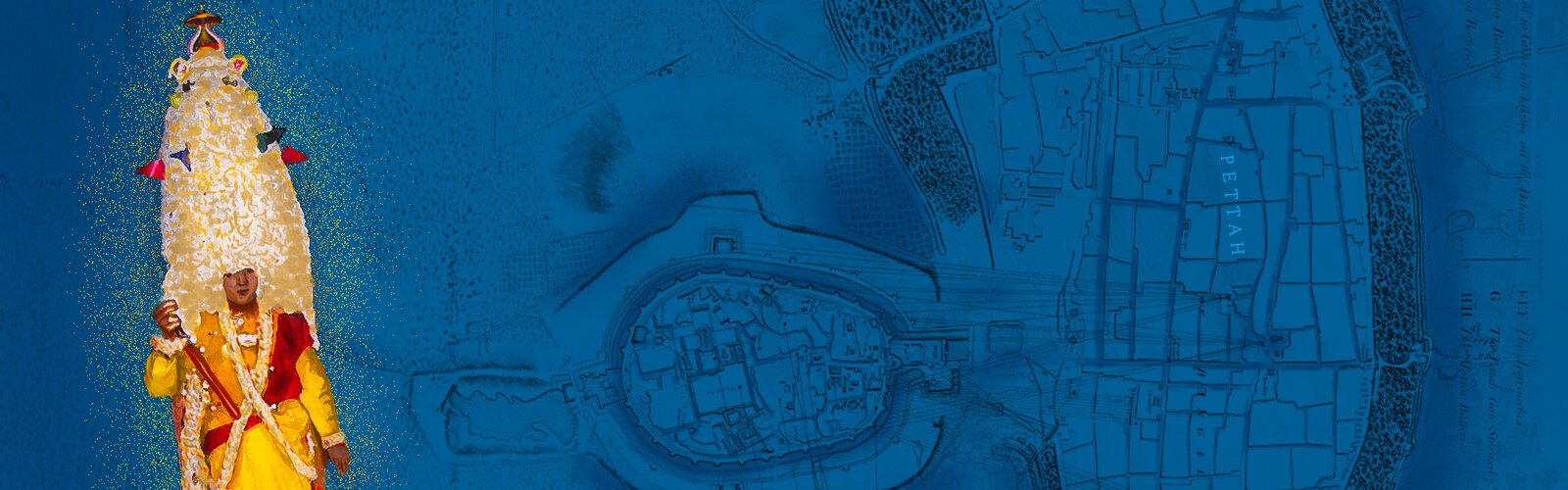
On a moonlit night in Chaitra, as the fragrance of jasmine mingles with the warm breath rising from Bengaluru’s ancient streets, a procession winds its way through the heart of the old city. At its centre moves the Karaga bearer, draped in the vestments of divinity, balancing upon his head a sacred floral pyramid, his steps measured, his body swaying to rhythms older than the city itself. Around him, bare-chested Veerakumaras raise their swords skyward, their voices a chorus of war cries and devotion.
For over three centuries, the Bengaluru Karaga has woven together the sacred and the secular, the past and the present, in an unbroken ritual of faith and community. Once ensconced in the Pete — a fortified town dotted with bathing tanks and temples — Bengaluru has transformed into a metropolis of steel and silicon. Yet, for eleven days each year, the city rediscovers its ancient heart, surrendering itself to a festival that speaks of its origins, its myths, and its enduring spirit of inclusivity.
Rooted In Earth And Water
The Thigala community, traditionally gardeners and caretakers of Bengaluru’s water bodies, are the custodians of this ancient tradition. In a city that was once called Kalyanapuri — the “City of Lakes” — they were the stewards of the land’s fertility, nurturing temple gardens and sustaining its sprawling tanks. As urbanisation has erased many of these landscapes, the Karaga has remained an act of remembrance, a festival that retraces forgotten geographies and invokes the sacred connection between land, water, and faith. A striking aspect of the festival is the Gange Puje, or the worship of water. This ritual, held at the city’s surviving water tanks, is a poignant reminder of Bengaluru’s original character — a land where lakes once glistened under the sun and temples rose from their banks.
Evoking Draupadi, The Warrior-goddess
At the heart of the Karaga is a myth as enduring as the festival itself. Draupadi, the fire-born queen of the Mahabharata, is no ordinary deity in this tradition. She is worshipped not as a consort or a passive figure of devotion, but as a warrior — one who, in the face of demonic destruction, created the Veerakumaras, an army of fearless sons to vanquish evil. When victory was won, these warriors pleaded with their mother-goddess not to leave them. In response, she made them a promise: each year, on the full moon of Chaitra, she would return.
Thus, the Karaga bearer — a mortal man who steps into the goddess’s essence — is not merely a priest but a living conduit of Draupadi’s vow. Adorned with bangles, a mangalsutra, and sindoor, he embodies the divine feminine, transcending the boundaries of gender and self.
The Pulse Of Memory
As the Karaga moves through the walled Pete area — originally founded by Kempe Gowda I as a fortified town — the city transforms. The past and present conjoin into one, as torch-lit streets thrum with the lilting music of nadaswarams, thavi drums, and the war cries of Veerakumaras. Swords flash in the glint of the leaping flames, dancers spin in gravity-defying whirls, and thousands of devotees press forward, eager to witness the fleeting presence of the goddess.
Yet, amid the festival’s grandeur, there is a quiet moment of profound symbolism. As the Karaga reaches the Hazrat Tawakkal Mastan Dargah, the bearer halts at the steps of the Sufi saint’s tomb in a gesture of reverence. This unbroken tradition of interfaith harmony is perhaps the festival’s most remarkable feature — a testament to Bengaluru’s layered history, where faiths have coexisted not in conflict, but in deep, unspoken understanding.
The City Remembers, The City Changes
Bengaluru, the city of start-ups and satellites, of data centres and disappearing lakes, is not the same city that once belonged to the Thigalas. And yet, each year, the Karagareturns. It is a defiant ritual, a festival that does not ask permission to exist. It weaves its way through the ever-changing cityscape, carrying with it the whispers of vanished gardens, the echoes of steel striking flesh, and the heartbeat of a people who refuse to forget.
For eleven days, Bengaluru looks back even as it lurches forward. The Karaga, born of earth, water, and devotion, reminds the city that no matter how much it reinvents itself, some stories — woven into its streets, its people, and its sky — will never be erased.
Listen to past episodes in this series and follow Radio Azim Premji University on YouTube, Instagram, Spotify, SoundCloud, Apple Podcasts, and other podcast services.
Credits
Akshay Ramuhalli, Bijoy Venugopal, Bruce Lee Mani, Gorveck Thokchom, Kishor Mandal, Narayan Krishnaswamy, Prashant Vasudevan, Sananda Dasgupta, Seema Seth, Shraddha Gautam, Supriya Joshi, and Velu Shankar.
ನೂರಕ್ಕೆ ನೂರು ಕರ್ನಾಟಕ — ಬೆಂಗಳೂರು ಕರಗ
ಚೈತ್ರ ಮಾಸದ ಆಗಮನದ ಜೊತೆಗೇ, ಬೆಂಗಳೂರಿಗೆ ರೂಪವೇಬದಲಾಗಿ, ಏಪ್ರಿಲ್ನ ಮೊದಲ ಮಳೆ ಸಮೀಪಿಸುತ್ತಿದ್ದಂತೆ ಗುಲಾಬಿಪೌಯಿ ಮತ್ತು ಜಕರಂದದಿಂದ ನಗರದ ಬೀದಿಗಳು ನಾಚಿ ರಂಗೇರಿದಂತೆಕಾಣುತ್ತವೆ. ವರ್ಷಾ ರಾಮಚಂದ್ರ ಆತಿಥೇಯರಾಗಿ ಬರುವ ಮೂಲಕನೂರಕ್ಕೆ ನೂರು ಕರ್ನಾಟಕದಲ್ಲೂ ಬದಲಾವಣೆ ಬಂದಿದೆ. 2023 ರಿಂದ, ನೂರಕ್ಕೆ ನೂರು ಕರ್ನಾಟಕವು ಕನ್ನಡದ ಸಾಂಸ್ಕೃತಿಕ ಪ್ರತಿಮೆಗಳನ್ನುಸ್ಥಳೀಯ ಕನ್ನಡಿಗರಿಗೆ ಮತ್ತು ಕರ್ನಾಟಕವನ್ನು ತಮ್ಮ ಪ್ರೀತಿಯಮನೆಯಾಗಿಸಿಕೊಂಡವರಿಗೆ ಹತ್ತಿರ ತಂದಿದೆ.
ಬೆಂಗಳೂರು ಕರಗದ ಚೈತನ್ಯ
ಬೆಂಗಳೂರು ಕರಗವು ಶತಮಾನಗಳಿಂದ ನಡೆದುಕೊಂಡು ಬಂದಿರುವ, ಎಲ್ಲರನ್ನೂ ಒಳಗೊಳ್ಳುವ ಉತ್ಸವವಾಗಿದೆ. ನಮ್ಮ ಅತಿಥಿ ಧರ್ಮೇಂದ್ರಕುಮಾರ್ ಅರೇನಹಳ್ಳಿ 1970 ರ ದಶಕದಲ್ಲಿ ಮೈಸೂರಿನಲ್ಲಿ ಬೆಳೆದಇತಿಹಾಸಕಾರ ಮತ್ತು ಬರಹಗಾರರಾಗಿದ್ದು, ಕರಗವನ್ನು ಜನಪ್ರಿಯಸಾಮಾಜಿಕ ಮಾಧ್ಯಮ ವೀಡಿಯೊಗಳ ಮೂಲಕ ವ್ಯಾಪಕವಾಗಿದಾಖಲಿಸಿದ್ದಾರೆ ಹಾಗು ಅದರ ಇತಿಹಾಸ ಮತ್ತು ಮಹತ್ವವನ್ನುಹಂಚಿಕೊಂಡಿದ್ದಾರೆ.
ನೂರಕ್ಕೆ ನೂರು ಕರ್ನಾಟಕದ ಈ ಸಂಚಿಕೆಯಲ್ಲಿ, ಧರ್ಮೇಂದ್ರಕುಮಾರ್ ಈ ವರ್ಷ ಏಪ್ರಿಲ್ 12 ರಂದು ಆಚರಿಸಲಾಗುತ್ತಿರುವಬೆಂಗಳೂರು ಕರಗದ ಹಿನ್ನೆಲೆಯಲ್ಲಿ, ವಿಕಸನಗೊಳ್ಳುತ್ತಿರುವಬೆಂಗಳೂರಿನ ವಾತಾವರಣದ ನಡುವೆ ಸಂಪ್ರದಾಯ ಮತ್ತು ಸ್ಮರಣೆಯಮೇಳೈಕೆಯ ಬಗ್ಗೆ ತಿಳಿಸಿದ್ದಾರೆ.
ಒಂದಾನೊಂದು ಕಾಲದಲ್ಲಿ.…
ಚೈತ್ರದ ಬೆಳದಿಂಗಳ ರಾತ್ರಿಯಲ್ಲಿ, ಬೆಂಗಳೂರಿನ ಹಳೆ ಬೀದಿಗಳಿಂದಹೊರಹೊಮ್ಮುವ ಕಂಪಿನೊಂದಿಗೆ ಮಲ್ಲಿಗೆಯ ಪರಿಮಳವೂಬೆರೆತುಹೋಗುತ್ತಿದ್ದಂತೆ, ಹಳೆಯ ನಗರದ ಹೃದಯಭಾಗದಲ್ಲಿಮೆರವಣಿಗೆಯು ಸಾಗುತ್ತದೆ. ಅದರ ನಡುವೆ ದೈವೀ ವಸ್ತ್ರಗಳನ್ನು ಧರಿಸಿ, ತಲೆಯ ಮೇಲೆ ಪವಿತ್ರ ಕರಗವನ್ನು ಹೊತ್ತ ಕರಗ ಧಾರಕನ ದೇಹವುಪ್ರಾಚೀನ ಲಯಕ್ಕೆ ತೂಗಾಡುತ್ತಿದ್ದರೆ, ಅವನ ಸುತ್ತಲೂ, ಬರಿ ಎದೆಯವೀರಕುಮಾರರು ತಮ್ಮ ಕತ್ತಿಗಳನ್ನು ಆಕಾಶಕ್ಕೆ ಎತ್ತುತ್ತಾ, ಭಕ್ತಿ-ವೀರತೆಯ ಪ್ರತೀಕಗಳಂತಿರುತ್ತಾರೆ.
ಮೂರು ಶತಮಾನಗಳಿಗೂ ಹೆಚ್ಚು ಕಾಲ, ಬೆಂಗಳೂರು ಕರಗವು ಭೂತಮತ್ತು ವರ್ತಮಾನ, ನಂಬಿಕೆ ಹಾಗು ಸಮುದಾಯದ ಕೊಂಡಿಯಾಗಿಉಳಿದಿದೆ. ಅಂದು ದೇವಾಲಯ, ಕೆರೆ ತೋಟಗಳನ್ನು ಒಳಗೊಂಡ’ಪೇಟೆ’ ಬೆಂಗಳೂರು, ಇಂದು ಸಿಲಿಕಾನ್ ಸಿಟಿಯಾಗಿರೂಪಾಂತರಗೊಂಡಿದೆ. ಆದರೂ, ಪ್ರತಿ ವರ್ಷ ಹನ್ನೊಂದುದಿನಗಳವರೆಗೆ, ನಗರವು ತನ್ನ ಪ್ರಾಚೀನತೆಗೆ ಹಿಂತಿರುಗಿ, ತನ್ನ ಮೂಲ, ಪುರಾಣಗಳು ಮತ್ತು ತನ್ನ ಒಳಗೊಳ್ಳುವಿಕೆಯ ಮನೋಭಾವಕ್ಕೆ ಮತ್ತೆಶರಣಾಗುತ್ತದೆ.
ಭೂಮಿ ಮತ್ತು ನೀರು
ಒಂದು ಕಾಲದಲ್ಲಿ ಕಲ್ಯಾಣಪುರಿ “ಸರೋವರಗಳ ನಗರ” ಎಂದುಕರೆಯಲ್ಪಡುತ್ತಿದ್ದ ಬೆಂಗಳೂರಲ್ಲಿ, ತಿಗಳ ಸಮುದಾಯವು ಭೂಮಿಯಫಲವತ್ತತೆಯ ಮೇಲ್ವಿಚಾರಕರಾಗಿದ್ದು, ದೇವಾಲಯದಉದ್ಯಾನಗಳನ್ನು ಪೋಷಿಸಿ, ಅದರ ವಿಸ್ತಾರವಾದ ಕೆರೆಗಳನ್ನುಉಳಿಸಿಕೊಂಡಿದ್ದರು. ನಗರೀಕರಣದಿಂದಾಗಿ ಕರಗವು ಸ್ಮರಣಾರ್ಥಕ್ರಿಯೆಯಾಗಿ ಉಳಿದಿದ್ದರೂ, ಭೂಮಿ, ನೀರು ಮತ್ತು ನಂಬಿಕೆಯನಡುವಿನ ಸಂಬಂಧವನ್ನು ನೆನೆವ ಹಬ್ಬವಾಗಿದೆ.
ಹಬ್ಬದ ಗಮನಾರ್ಹ ಅಂಶವೆಂದರೆ ಗಂಗಾ ಪೂಜೆ ಅಥವಾ ನೀರಿನಆರಾಧನೆ. ನಗರದ ಉಳಿದಿರುವ ನೀರಿನ ಟ್ಯಾಂಕ್ಗಳಲ್ಲಿ ನಡೆಯುವಈ ಆಚರಣೆಯು ಬೆಂಗಳೂರಿನ ಮೂಲ ಸ್ವರೂಪದ ಹೃದಯಸ್ಪರ್ಶಿಜ್ಞಾಪನೆಯಾಗಿದೆ.
ಆದಿಶಕ್ತಿ ರೂಪದಲ್ಲಿ ದ್ರೌಪದಿ
ಕರಗದ ಹಿಂದೆ ಪುರಾಣದ ಕಥೆಯಿದೆ. ಮಹಾಭಾರತದ ಅಗ್ನಿಜನ್ಯ ರಾಣಿದ್ರೌಪದಿ ಈ ಸಂಪ್ರದಾಯದಲ್ಲಿ ಸಾಮಾನ್ಯ ದೇವತೆಯಲ್ಲ. ಇಲ್ಲಿಅವಳನ್ನು ಯೋಧಳನ್ನಾಗಿ ಪೂಜಿಸಲಾಗುತ್ತದೆ. ರಾಕ್ಷಸ ವಿನಾಶಕ್ಕೆನಿರ್ಭೀತ ಪುತ್ರರ ಸೈನ್ಯವಾದ ವೀರಕುಮಾರರನ್ನು ಸೃಷ್ಟಿಸಿದವಳುಅವಳು. ಗೆಲುವು ಸಾಧಿಸಿದಾಗ, ಈ ಯೋಧರು ತಮ್ಮತಾಯಿ-ದೇವತೆಯೊಂದಿಗೆ ತಮ್ಮನ್ನು ಬಿಡಬೇಡಿ ಎಂದುಬೇಡಿಕೊಂಡಾಗ, ತನ್ನ ವಾಗ್ದಾನದ ಪ್ರಕಾರ, ಪ್ರತಿ ವರ್ಷ, ಚೈತ್ರದಹುಣ್ಣಿಮೆಯಂದು ಹಿಂತಿರುಗುತ್ತಾಳೆ.
ಹೀಗಾಗಿ, ಕರಗ ಧಾರಕ — ದೇವಿಯ ಅಂಶ ಅವಾಹನೆಗೊಂಡ ಪುರುಷಪೂಜಾರಿ. ಬಳೆಗಳು, ಮಂಗಳಸೂತ್ರ ಮತ್ತು ಸಿಂಧೂರದಿಂದಅಲಂಕರಿಸಲ್ಪಟ್ಟ ಅವನು, ದೈವಿಕ ಸ್ತ್ರೀತ್ವವನ್ನು ಸಾಕಾರಗೊಳಿಸುತ್ತಾನೆ.
ನೆನಪಿನಂಗಳದಿಂದ
ಕರಗವು ಕೆಂಪೇಗೌಡ I ಸ್ಥಾಪಿಸಿದ ಪೇಟೆ ಪ್ರದೇಶದ ಮೂಲಕಚಲಿಸುವಾಗ ಇಡೀ ನಗರವೇ ರೂಪಾಂತರಗೊಳ್ಳುತ್ತದೆ. ನಾದಸ್ವರ, ಕಹಳೆ, ಚಂಡೆ ಮತ್ತು ವೀರಕುಮಾರರ ಯುದ್ಧ ಘೋಷಗಳೊಂದಿಗೆಪಂಜಿನ ಬೆಳಕಿನ ಬೀದಿಗಳು ಮಿನುಗುತ್ತಿದ್ದಂತೆ, ಭೂತ ಮತ್ತುವರ್ತಮಾನವು ಒಂದಾಗುತ್ತದೆ. ಜ್ವಾಲೆಗಳ ಹೊಳಪಿನಲ್ಲಿ ಕತ್ತಿಗಳುಮಿನುಗುತ್ತವೆ, ನರ್ತಕರು ಸುಳಿ-ಸುಳಿ ಸುತ್ತುತ್ತಾರೆ ಮತ್ತು ಸಾವಿರಾರುಭಕ್ತರು ದೇವಿಯ ಕ್ಷಣಿಕ ಉಪಸ್ಥಿತಿಯನ್ನು ವೀಕ್ಷಿಸಲು ಉತ್ಸುಕರಾಗಿಮುಂದೆ ಸಾಗುತ್ತಾರೆ.
ಆದರೂ, ಹಬ್ಬದ ಸಂಭ್ರಮದ ನಡುವೆ ಆಳವಾದ ಸಾಂಕೇತಿಕತೆ ಇದೆ. ಕರಗವು ಹಜರತ್ ತವಕ್ಕಲ್ ಮಸ್ತಾನ್ ದರ್ಗಾವನ್ನು ತಲುಪುತ್ತಿದ್ದಂತೆ, ಧಾರಕನು ಸೂಫಿ ಸಂತನ ಸಮಾಧಿಯ ಮೆಟ್ಟಿಲುಗಳ ಬಳಿ ಭಕ್ತಿಯಸೂಚಕವಾಗಿ ನಿಲ್ಲುತ್ತಾನೆ. ಅಂತರ್ಧರ್ಮೀಯ ಸಾಮರಸ್ಯದ ಈಮುರಿಯದ ಸಂಪ್ರದಾಯವು ಬಹುಶಃ ಉತ್ಸವದ ಅತ್ಯಂತ ಗಮನಾರ್ಹಲಕ್ಷಣವಾಗಿದೆ. ಬೆಂಗಳೂರಿನ ಪದರಗಳ ಇತಿಹಾಸಕ್ಕೆ ಸಾಕ್ಷಿಯಾಗಿದೆ.ಅಲ್ಲಿ ನಂಬಿಕೆಗಳು ಸಂಘರ್ಷದಲ್ಲಿ ಅಲ್ಲ, ಆದರೆ ಆಳವಾದ, ಅವಾಚ್ಯತಿಳುವಳಿಕೆಯಲ್ಲಿ, ಸಹಬಾಳ್ವೆಯಲ್ಲಿ ನೆಲೆಸಿವೆ.
ನೆನಪಾದ.. ಬದಲಾದ ನಗರ
ಸ್ಟಾರ್ಟ್-ಅಪ್ಗಳು ಮತ್ತು ಡೇಟಾ ಸೆಂಟರ್ಗಳು ಮತ್ತುಕಣ್ಮರೆಯಾಗುತ್ತಿರುವ ಕೆರೆಗಳ ನಗರವಾದ ಬೆಂಗಳೂರು, ಒಮ್ಮೆತಿಗಳರಿಗೆ ಸೇರಿದ್ದ ಹಳೇ ನಗರವಲ್ಲ. ಆದರೂ ಪ್ರತಿ ವರ್ಷ ಕರಗಮರಳುತ್ತದೆ. ಇದು ನಿರಂತರವಾಗಿ ಬದಲಾಗುತ್ತಿರುವ ಬೆಂಗಳೂರಿನಕಣ್ಮರೆಯಾದ ಉದ್ಯಾನಗಳ ಪಿಸುಮಾತು, ದೇಹಕ್ಕೆ ತಾಗುವ ಕತ್ತಿಯಪ್ರತಿಧ್ವನಿ ಮತ್ತು ಸದಾ ನೆನೆಯುವ ಜನರ ಹೃದಯ ಬಡಿತವನ್ನುತನ್ನೊಂದಿಗೆ ಹೊತ್ತೊಯ್ಯುತ್ತದೆ.
ಹನ್ನೊಂದು ದಿನಗಳವರೆಗೆ, ಬೆಂಗಳೂರು ಮುಂದಕ್ಕೆ ಚಲಿಸುವಾಗಲೂಹಿಂತಿರುಗಿ ನೋಡುತ್ತದೆ. ಭೂಮಿ, ನೀರು ಮತ್ತು ಭಕ್ತಿಯಿಂದ ಹುಟ್ಟಿದಕರಗ, ನಗರ ಎಷ್ಟೇ ಮರುಶೋಧನೆ ಕಂಡರೂ, ಅದರ ಬೀದಿಗಳು, ಅದರ ಜನರು ಮತ್ತು ಅದರ ಆಕಾಶದಲ್ಲಿ ಹೆಣೆಯಲ್ಪಟ್ಟ ಕೆಲವುಕಥೆಗಳು ಎಂದಿಗೂ ಅಳಿಸುವುದಿಲ್ಲ ಎಂದು ನೆನಪಿಸುತ್ತದೆ.
ಈ ಸರಣಿಯಲ್ಲಿ ಹಿಂದಿನ ಕಂತುಗಳನ್ನು ಆಲಿಸಿ ಮತ್ತು YouTube, Instagram, Spotify, SoundCloud, Apple Podcasts ಮತ್ತು ಇತರಪಾಡ್ಕ್ಯಾಸ್ಟ್ ಸೇವೆಗಳಲ್ಲಿ ರೇಡಿಯೋ ಅಜೀಮ್ ಪ್ರೇಮ್ಜಿಯೂನಿವರ್ಸಿಟಿ ಅನ್ನು ಫಾಲೋ ಮಾಡಿ.
ವಿಶ್ವಾಸಪೂರ್ವಕ ನುಡಿಗಳು
ಅಕ್ಷಯ್ ರಾಮುಹಳ್ಳಿ, ಬಿಜೋಯ್ ವೇಣುಗೋಪಾಲ್, ಬ್ರೂಸ್ ಲೀ ಮಣಿ, ಗೋರ್ವೆಕ್ ತೊಕ್ಚೋಮ್, ಕಿಶೋರ್ ಮಂಡಲ್, ನಾರಾಯಣ ಕೃಷ್ಣಸ್ವಾಮಿ, ಪ್ರಶಾಂತ್ ವಾಸುದೇವನ್, ಸಾನಂದ ದಾಸ್ಗುಪ್ತ, ಸೀಮಾ ಸೇಠ್, ಶ್ರದ್ಧಾ ಗೌತಮ್, ಸುಪ್ರಿಯಾ ಜೋಶಿ ಮತ್ತು ವೇಲು ಶಂಕರ್.
Acknowledgements
YouTube
- Gattahalli Karaga 2025
- World Famous Bengaluru Karaga 2024 | Shri Dharmaraya Swamy Temple Thigalarapete, Bengaluru
- Veerakumara in Bengaluru Karaga 2023
- Bengaluru Cotton Pete Karaga 2023
Image Assets
- Huvina Karaga © Thigala4u (Shri from Thigalarapete, Bangalore, India) / Wikimedia Commons (CC BY-SA 2.0)
- Bangalore Siege Plan © R. Bowyer (London) / Wikimedia Commons (Public Domain)
- Poo Karaga making a final round © Thigala4u (Shri from Thigalarapete, Bangalore, India) / Wikimedia Commons (CC BY-SA 2.0)
- Veda Vriksha © Vrikshatushara / Wikimedia Commons (CC BY-SA 4.0)
- Pache Kargu aka Hasi Karaga © Thigala4u (Shri from Thigalarapete, Bangalore, India) / Wikimedia Commons (CC BY-SA 2.0)
- Hase Karaga © Thigala4u (Shri from Thigalarapete, Bangalore, India) / Wikimedia Commons (CC BY-SA 2.0)
- Pachu Kargu aka Hase Karaga © Thigala4u (Shri from Thigalarapete, Bangalore, India) / Wikimedia Commons (CC BY-SA 2.0)
- Death of Draupadi – Illustration from the Barddhaman edition of Mahabharata / Wikimedia Commons (Public Domain)
- Devi Attacking a Demon © Cleveland Museum of Art / Wikimedia Commons (Public Domain)
- Shiva, Vishnu, and Brahma Adoring Kali © Los Angeles County Museum of Art / Wikimedia Commons (Public Domain)
- Shiv-Gauri – Blessings of the Divine © Infinite Eyes / Wikimedia Commons (CC0)
- Hampi Marketplace © Dineshkannambadi at en.wikipedia / Wikimedia Commons (CC BY-SA 3.0)
- KR Market Tomato © Fi11222 / Wikimedia Commons (CC BY-SA 4.0)
- Kempambudhi Lake, Bangalore (2024) © Gpkp / Wikimedia Commons (CC BY-SA 4.0)
- Veerakumaras – The Brave Youth © Thigala4u (Shri from Thigalarapete, Bangalore, India) / Wikimedia Commons (CC BY-SA 2.0)
- Wheat crop in the rain © Evelyn Simak / Wikimedia Commons (via geograph.org.uk)
- Bangalore Siege Plan © R. Bowyer (London) / Wikimedia Commons (Public Domain)
Listen to more episodes in this series
-
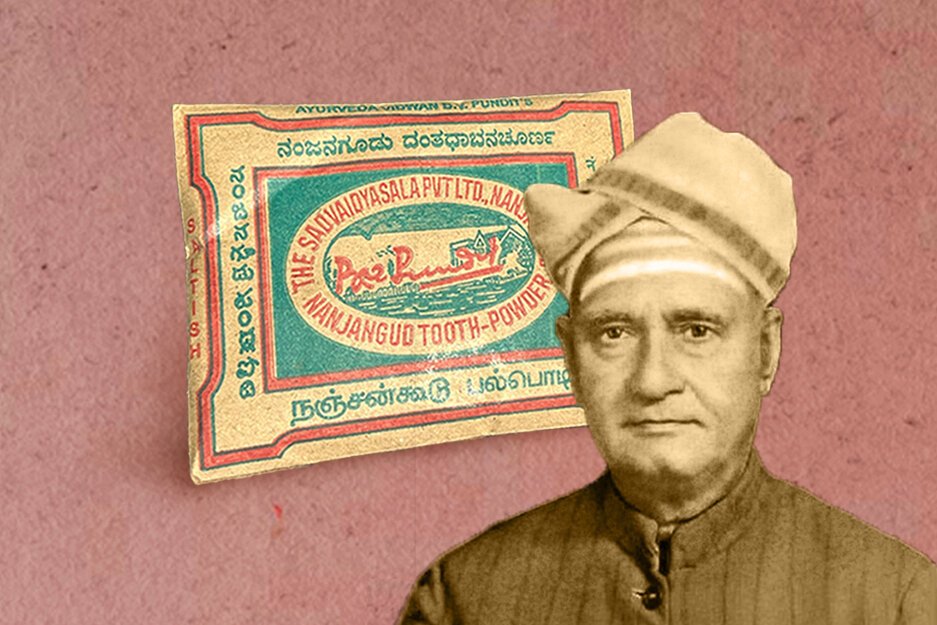

Nanjangud Tooth Powder | ನಂಜನಗೂಡು ಹಲ್ಲುಪುಡಿ | A Brush With History
This is the extraordinary tale of a much-loved Karnataka brand and an original startup innovator who inspires us to this day. B V Pundit’s Nanjangud Tooth Powder is more than a freshening mouthful — it is an experience that many of Karnataka’s cultural legends swear by. In this conversation between Sudheesh Venkatesh and Shraddha, discover the fascinating story behind the product that is synonymous with the famous temple town of Nanjanagudu.
-
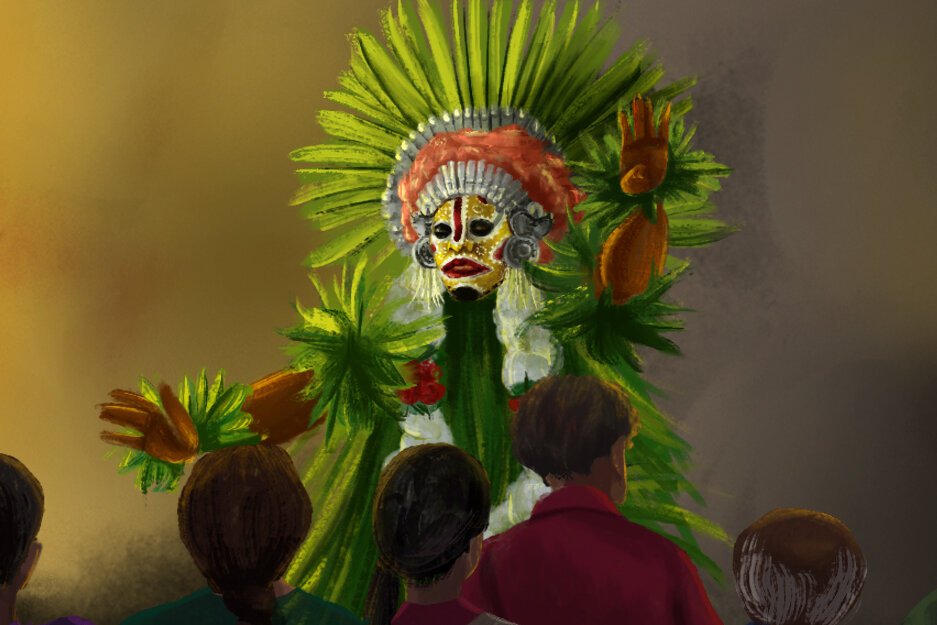
Bhoota Kola — ಭೂತ ಕೋಲ | Talking to Ancestral Spirits in Dakshina Kannada
In the second episode of our Kannada series Noorakke Nooru Karnataka [100 / 100 Karnataka], Shraddha has an absorbing conversation with Umashanker Periodi on the rich tradition of Bhoota Kola in Dakshina Kannada’s coastal region of Tulunadu. Periodi explains that Bhootas — ancestral spirits — are often a symbolic manifestation of entities or powers feared or revered by communities that worship them. Listen on your favourite podcast platforms.
-
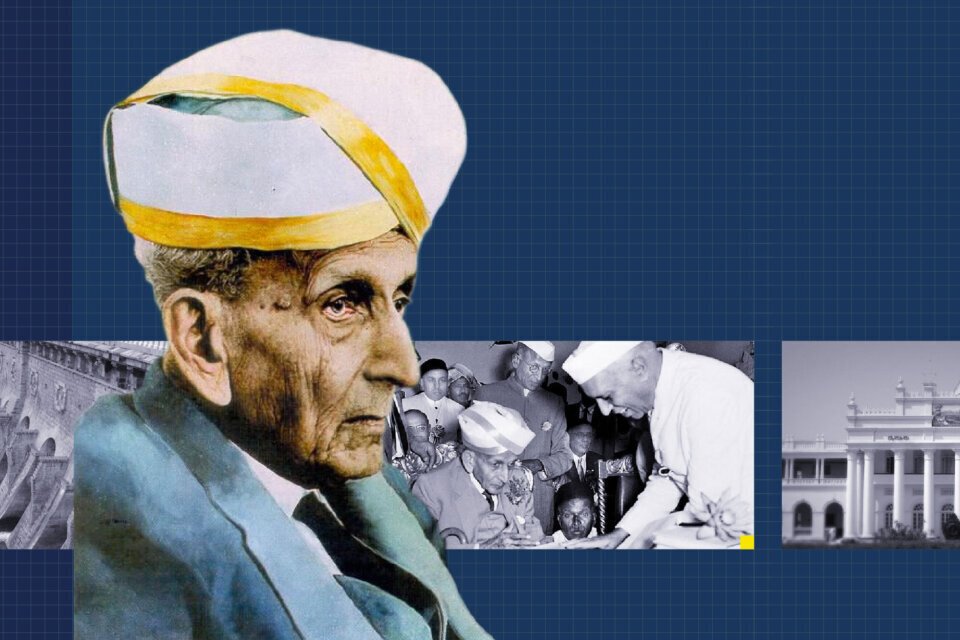

So you passed 12th and want to be an engineer? Draw inspiration from the life of Sir M Visvesvaraya
Sir M Visvesvaraya was more than an engineer. He was a disciplined polymath with eclectic pursuits, a social change-maker, a principled statesman, and a lifelong learner. In this special episode of Noorakke Nooru Karnataka, Shraddha Jain converses with Sudheesh Venkatesh and Mala Kumar about the exemplary mindset of one of Karnataka’s most illustrious sons, an engineer with a conscience.
-
DVG — the extraordinary man beyond the beloved Kaggas
In Episode 4, Shraddha and Sudheesh explore the life and work of renowned Kannada writer D V Gundappa (DVG). Joining them is Shashi Kiran B N, a Sanskrit scholar and editor who has contributed significantly to DVG’s literary legacy.
-
Kannada Geetamale — Sway to the spirit of Kannada | ಕನ್ನಡ ಗೀತಮಾಲೆ
On the first anniversary of our show, Noorakke Nooru Karnataka, we present a playlist of ten soulful tracks which span decades and emotions, embodying the spirit of Kannada. Hosted by Shraddha and peppered with special messages from the artists, Kannada Geetamale celebrates the beauty of the Kannada language and the diversity of our people.
-
Ranganubhava With Arundhati Nag — How Ranga Shankara Set The Stage For Amateur Theatre
Arundhati Nag, actor and theatre entrepreneur, shares a personal history of the making of Ranga Shankara, which gave Bengaluru’s amateur theatre culture a stage and an address


.jpg)
