
MA Development Field Project Fair 2024
Putting to practice their learnings, students present their independent field-based work.
Details
The Field-based Project is one of the three critical field practice components of the MA Development programme at Azim Premji University, Bengaluru. The programme aims to enhance students’ research and analytical skills and their ability to engage with social issues deeply.
The Field-based Project is often an avenue for students to design and implement a development research or development action project of their interest. Students systematically design their project with faculty mentorship over three months between September and November. This is followed by eight weeks of fieldwork between November to January.
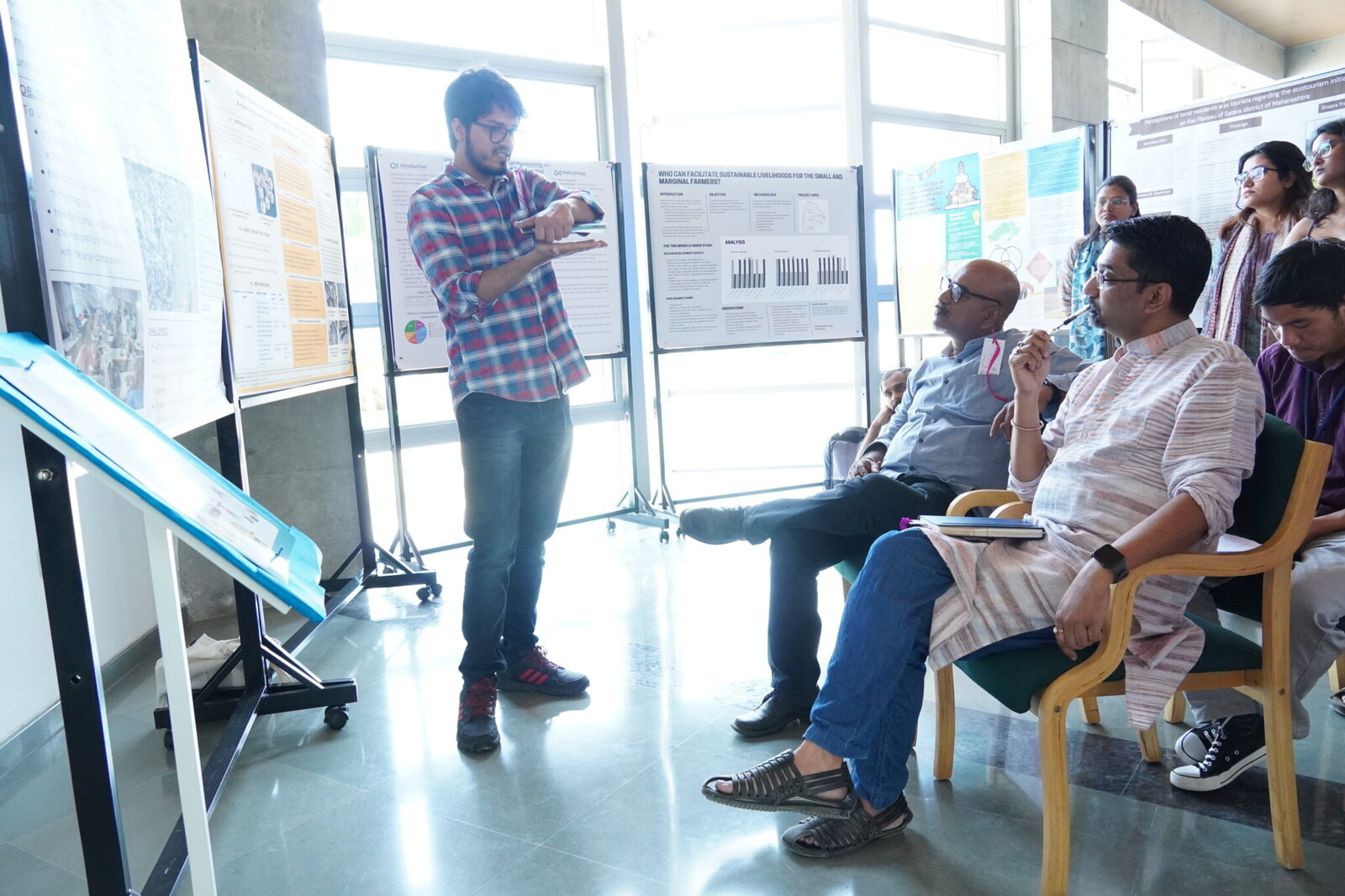
Every year, students from the graduating batch showcase their Field-based project work during the Field Project Fair. This is meant to help students gain valuable learning experiences in disseminating their work to a larger audience through academic poster presentations. The graduating batch of 2022 – 24 showcased their work during this year’s Field Project Fair in April 2024.
The Field Project Fair 2024 showcased the work of 160 students. Their work was categorised under 18 panels covering health, education, livelihoods, agriculture, financial inclusion, socio-political identities, rights of people with disabilities, governance, environment, food, culture, social enterprises, and CSR.
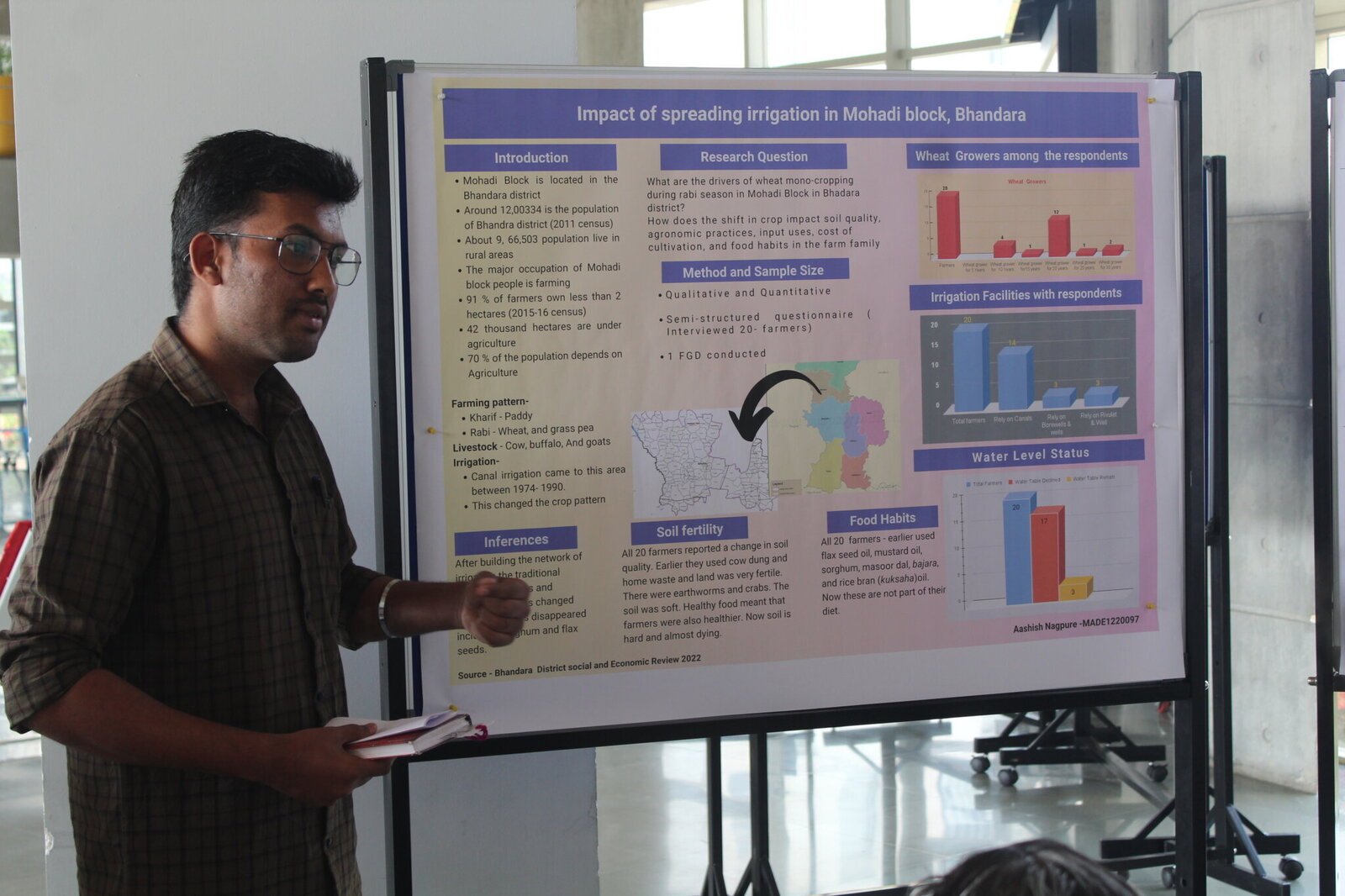
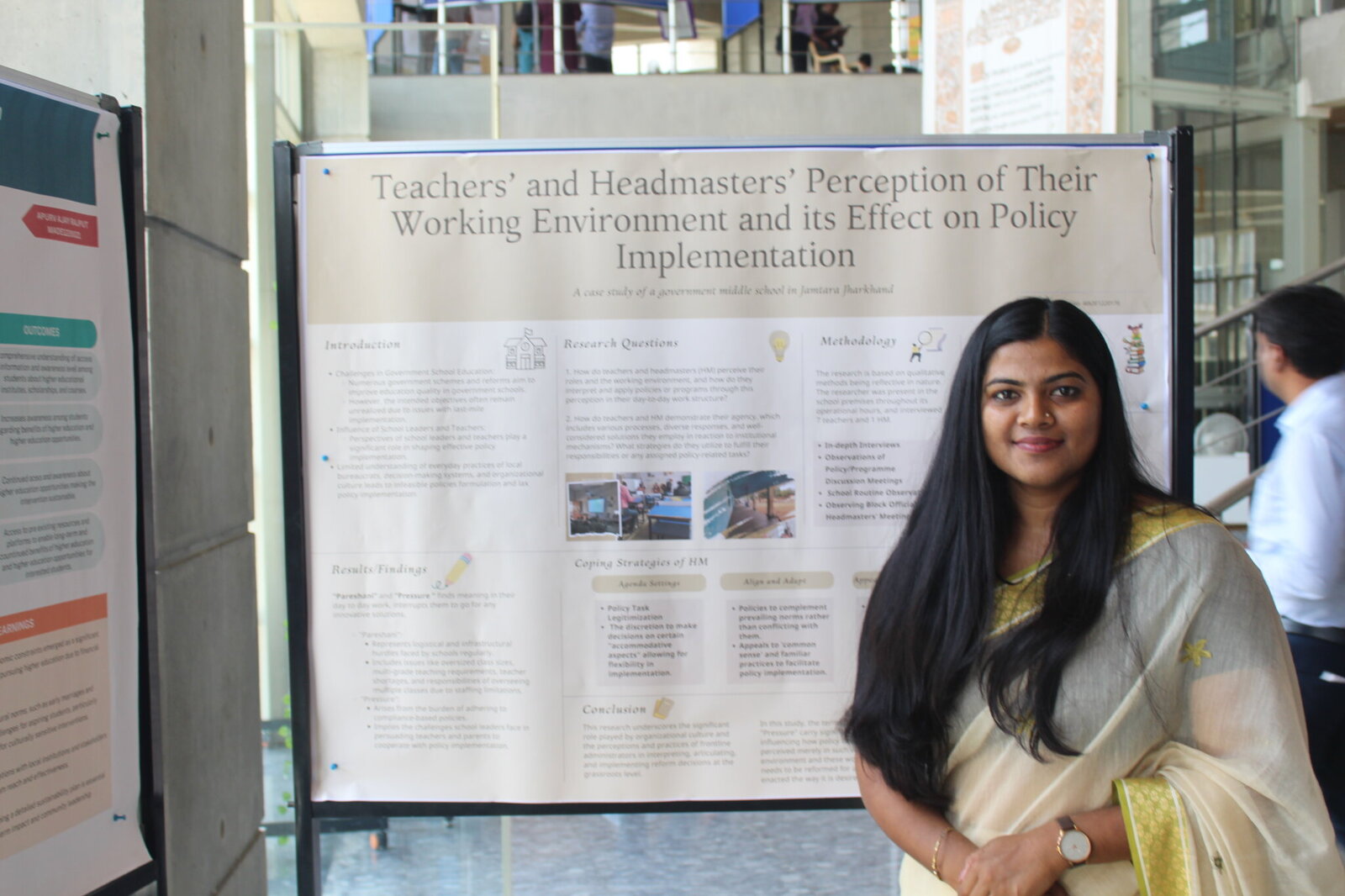
Farming is changing, and farmers have a choice between adopting modern practices or sticking to traditional modes – But how are these choices made and what are the complexities involved?
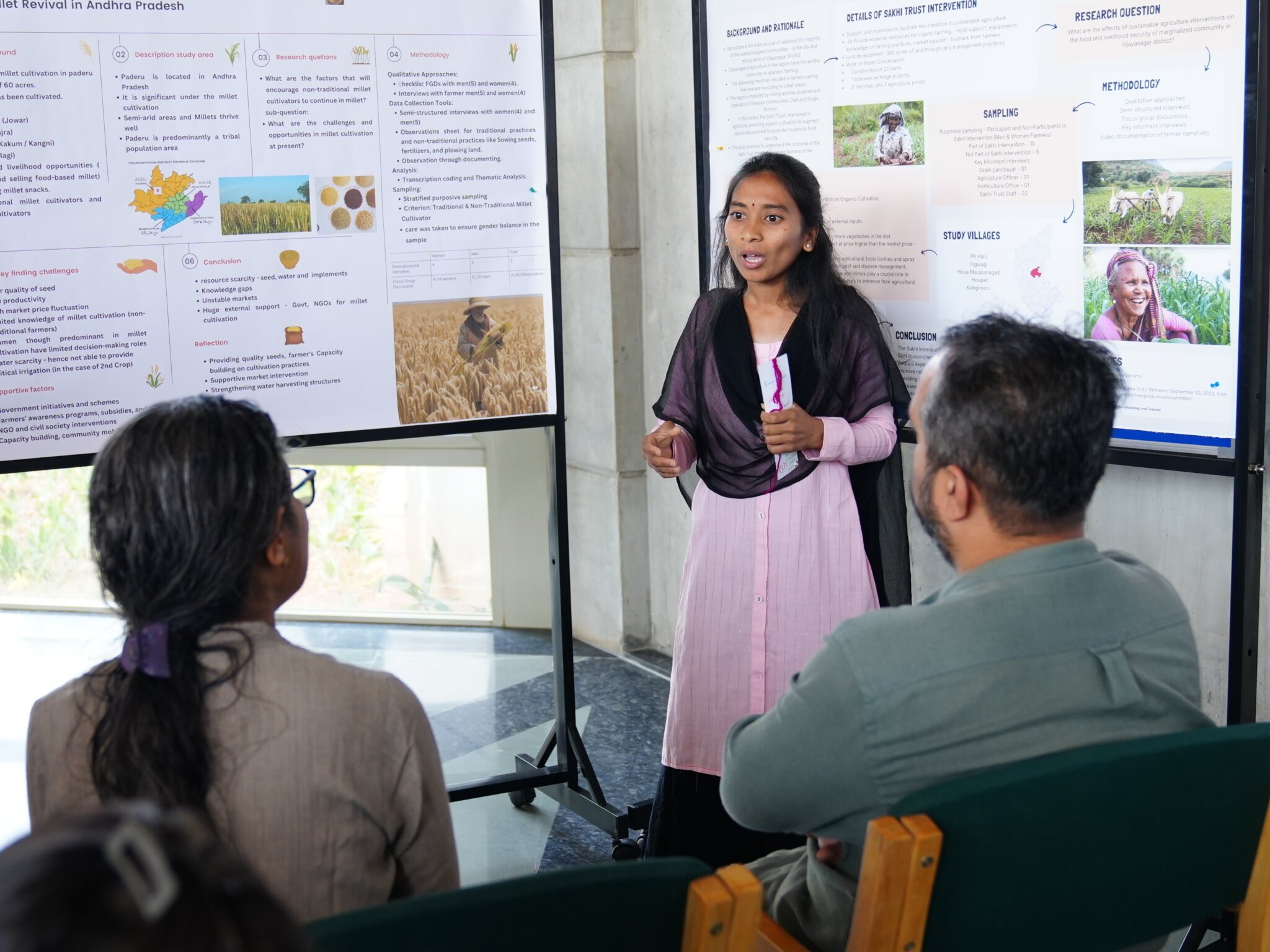
Students investigated why farmers in some areas were switching from paddy to growing crops like maize, tea and millets. Higher demand, better market prices and lower labour-money investment is what lures them in. However, these trends also bring challenges like lack of knowledge about the new crop and ecological unsuitability. The sustainability of shifting agricultural practices and effects of climate change was also investigated.
Irrigation trends were another area of research. Solar pumps are proving to be more convenient and increasing yield in one area, while excessive water supply in another region seems to have altered crop patterns as well as the dietary patterns of the village.
A third set of studies was done on the sociological aspects of farming – how absentee landlords yield power over workers, women’s struggles with land rights, and how marginalised farmer communities have benefitted from NGO interventions.
Sites of field projects — Jharkhand, Uttar Pradesh, Maharashtra, Karnataka, Andhra Pradesh, Telangana, West Bengal, Assam, and Meghalaya.
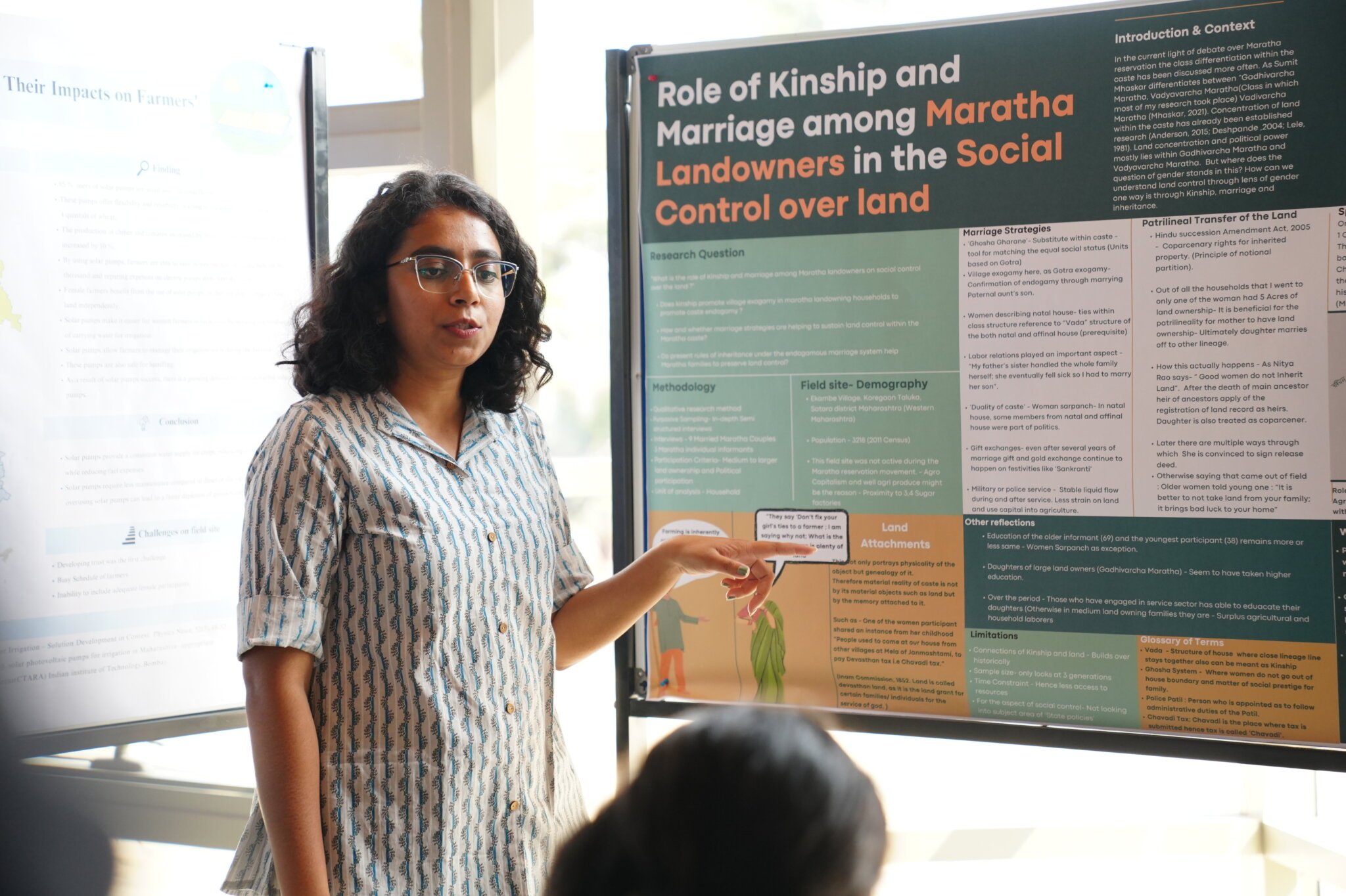
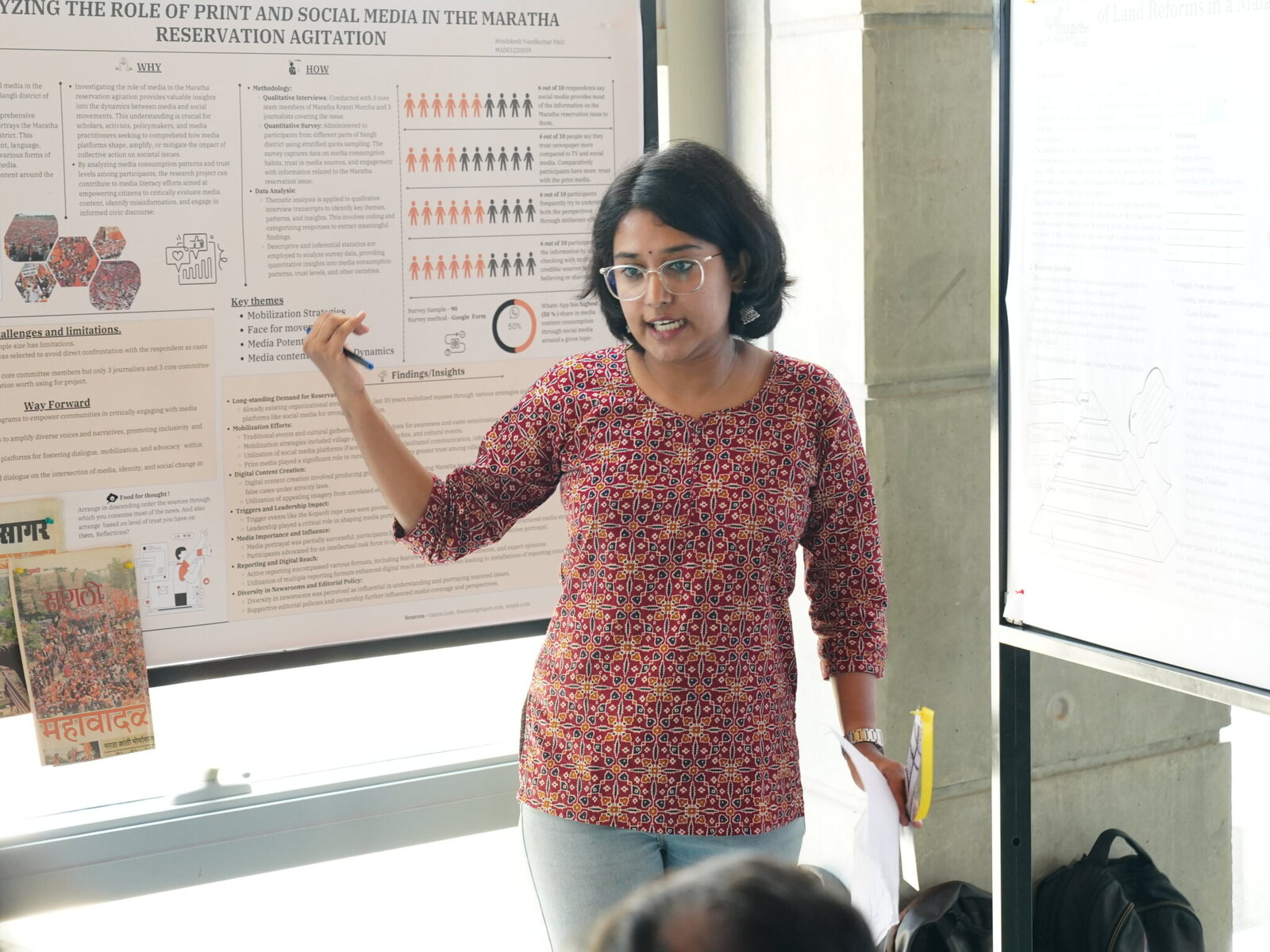
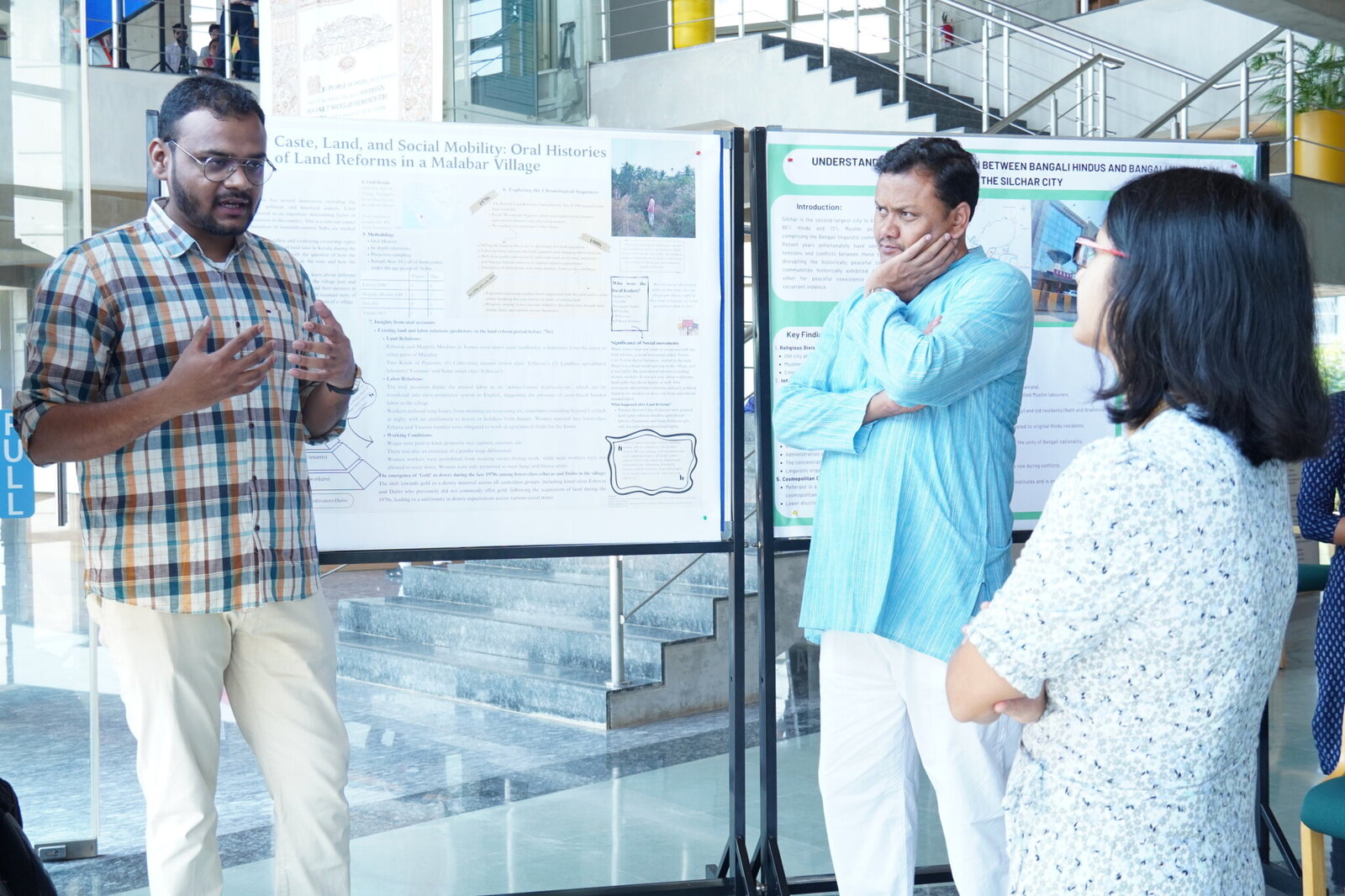
These are two prominent markers of social identity and one’s location within them dictates the politics and narrative of an individual. Six studies with communities in a precarious caste-religion position explore their experiences.
In order to protect their heritage, the Agraharams of Kerala have been placed under a restrictive lifestyle by authorities. The study uncovers how different members of the community feel about it and the impact it has on their physical and social liberties. A different study in the same state focuses on how improper implementation of laws has resulted in unequitable distribution of land between different castes. Yet another case where provisions by authorities are failing to have any positive impact on people’s quality of life is the Musahars. They struggle to find mainstream recognition and employment and are pushed to survive via sub-standard means.
The focus of one of the presentations was the role of social media in furthering the Maratha reservation agitation and mobilising marginalised communities.
Two studies in the east explore the arcane and selective ways in which the Bharat Sevashram Sangha, a spiritual organisation, functions in the development sector, and the impact of the Bangladesh war on settlement patterns.
Sites of field projects — Assam, West Bengal, Bihar, Maharashtra and Kerala.
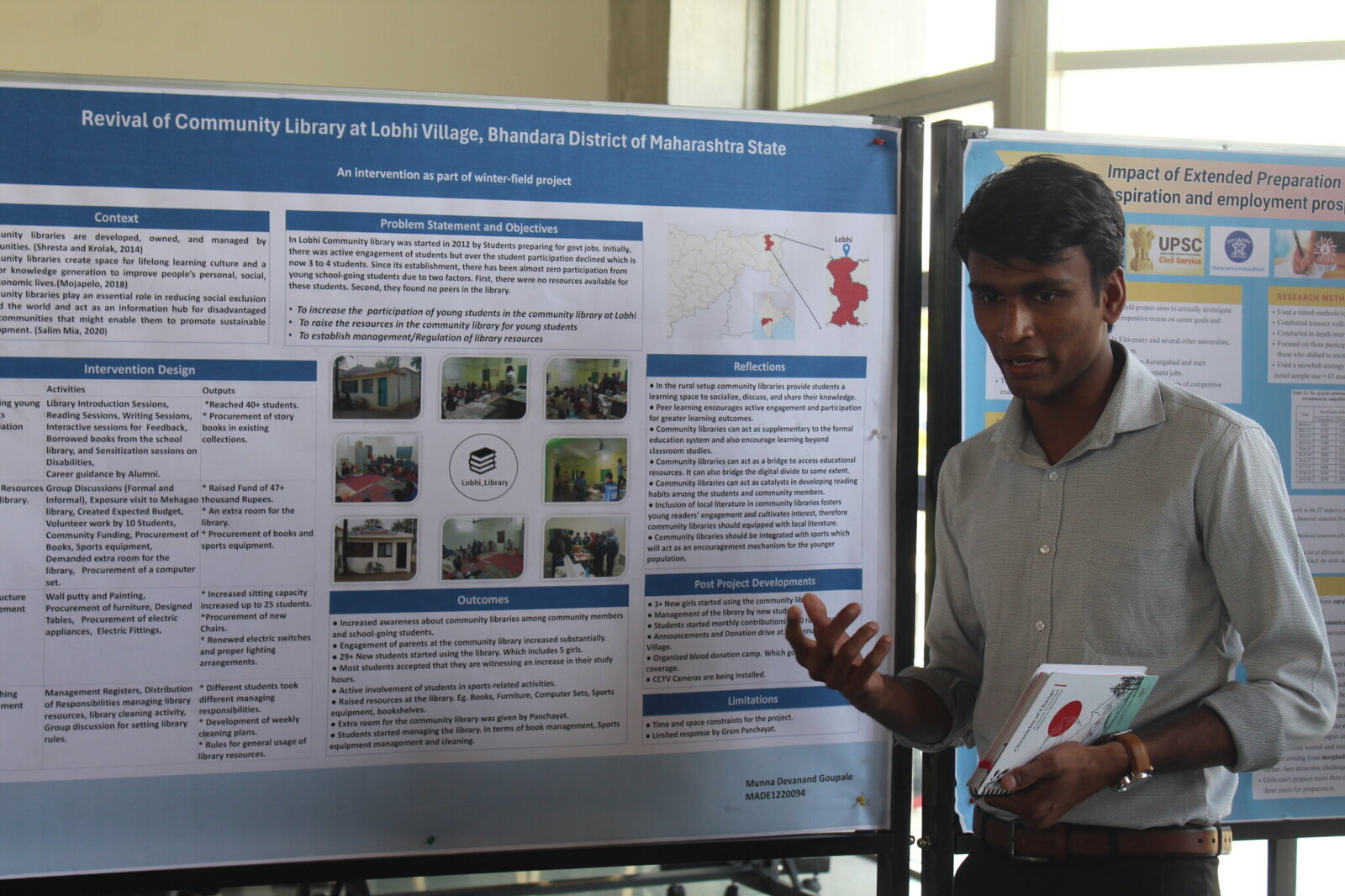
Two students focussed on community libraries and their importance in creating a healthy reading and social culture. One of them even revived an out-of-service library by arranging funds, getting students involved and creating a thriving ecosystem.
Extended preparation for competitive exams is a huge calling in our country. Two studies focused on accessibility issues around this choice. Students from wealthier backgrounds are able to embark on this journey with more ease compared to those from marginalised communities. The situation worsens for female students who have added pressures of safety and impending marriage.
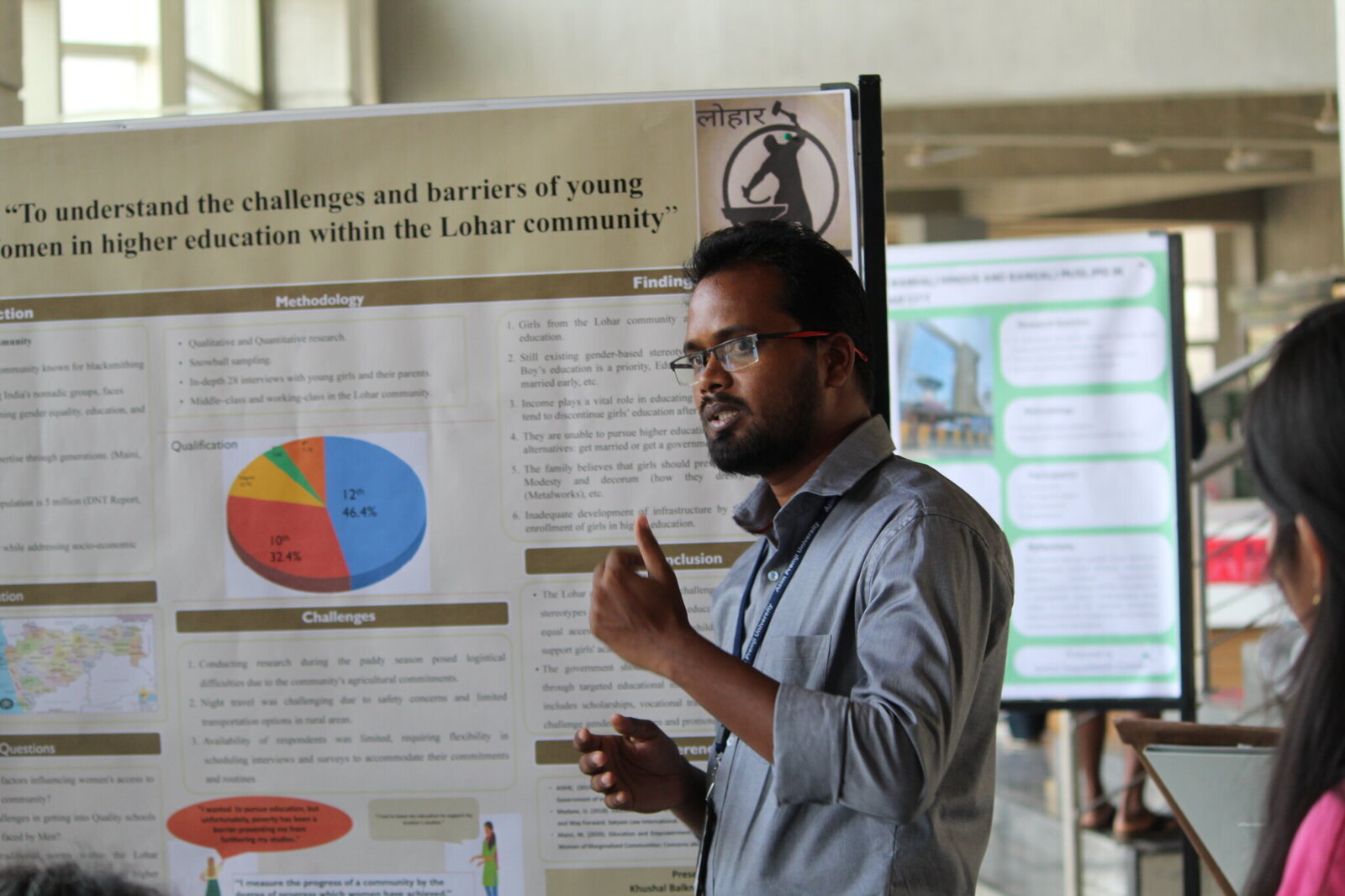
Higher education was one area of research where students led initiatives to bring awareness in villages about the merits of higher education and bridge knowledge gaps through digital platforms. The challenges faced by girls in accessing higher education, such as household obligations, early marriage, and discrimination also came to light.
With a focus on politics, one student probed into how some policies that seem well thought out at the top level are perceived negatively at the grassroots, while another examined the underrepresentation and dissatisfaction of youth with the status of student politics in various Mumbai colleges.
Skills was another subject of study – while the skillset that social work students graduate with at large, seem not to attract well-paying organisations on the one hand, the Matunga children of Maharashtra on the other are leaning towards the caste-based profession of drumbeating over school education since they can start earning at a young age.
Sites of field projects — Jharkhand, West Bengal and Maharashtra.
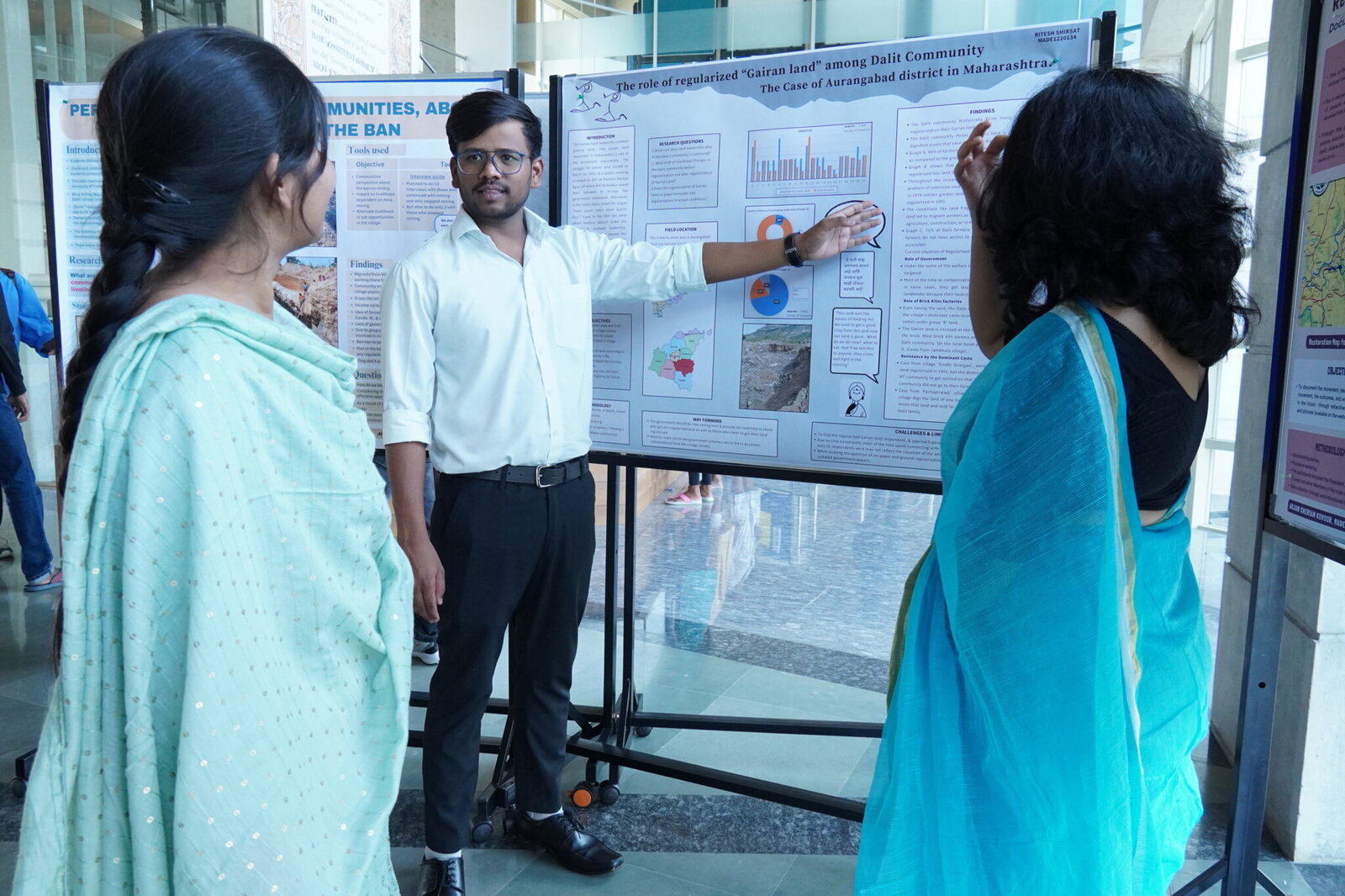
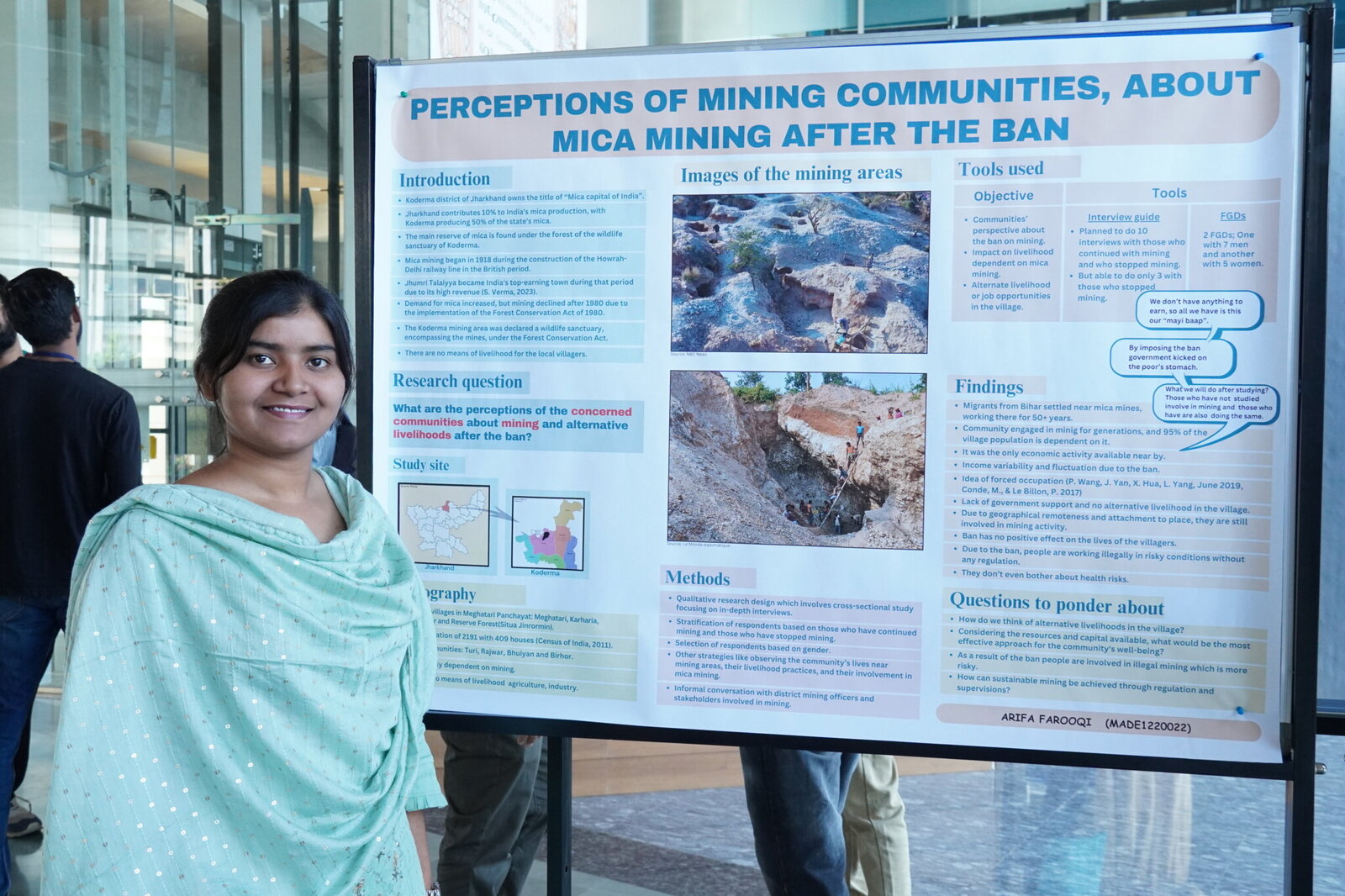
Development and environmental laws create modern problems for the communities whose livelihoods are tied to nature. A group of students looked into a variety of such issues ranging from the ban on mining in Koderma, the rehabilitation of people for the Kohala dam, the shrinking of Koli fishing activities due to coastal redevelopment, the Sabar tribe’s possibly unsustainable relationship with the forest, to land rights violations faced by Dalits. These groups struggle with displacement, changing occupations and lifestyles and finding government support.
Waste management is another domain investigated by the students. Through the journey of waste-pickers, two studies trace how they go about sustaining this livelihood. Meanwhile the solid and water waste generated by the petha industry in Agra bears far-reaching environmental consequences and urgent intervention is needed in this industry.
In two regions, the locals have come together to revive a river system and in turn the lost ecosystem and agriculture it supported, and protest against Uranium mining in their protected lands.
Sites of field projects — Telangana, Andhra Pradesh, Kerala, Karnataka, Uttar Pradesh, West Bengal, Maharashtra and Jharkhand.
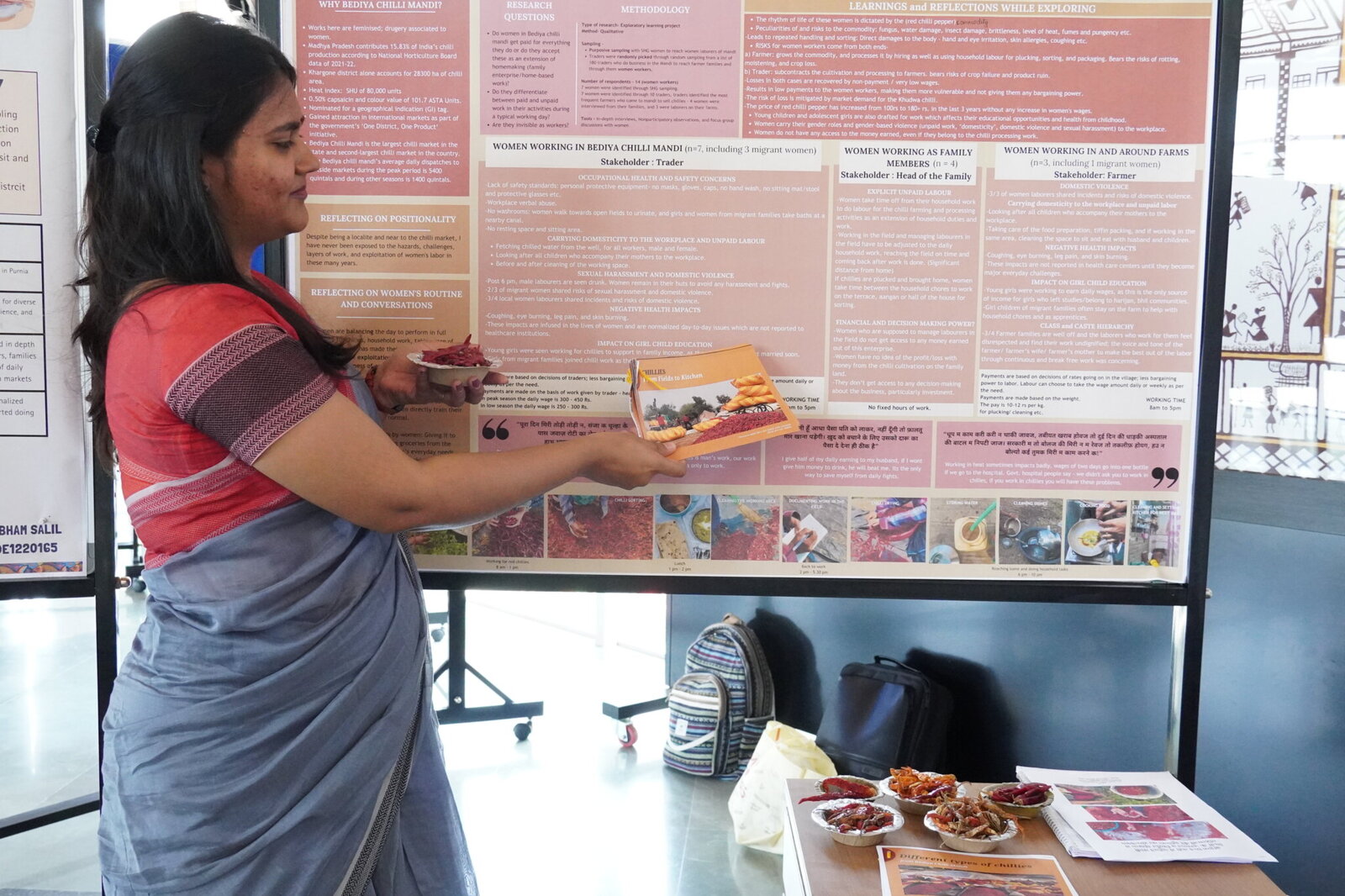
Livelihood is not just shaped by economic forces, but also by social and cultural forces. Women working in the crafts and handlooms industry are prevented from becoming efficient and powerful. While a large majority are not allowed to switch to motorised tools that would optimise production or make certain crafts that are reserved for men, some new generation females have progressed to becoming weaving masters and handloom entrepreneurs.
Women in agriculture and pisciculture must dabble between household management and long, labour-intensive field work. They travel long distances because of which their safety is challenged and their honour put to question. The income they generate gets used up in paying off debts, household activities and transportation, etc.
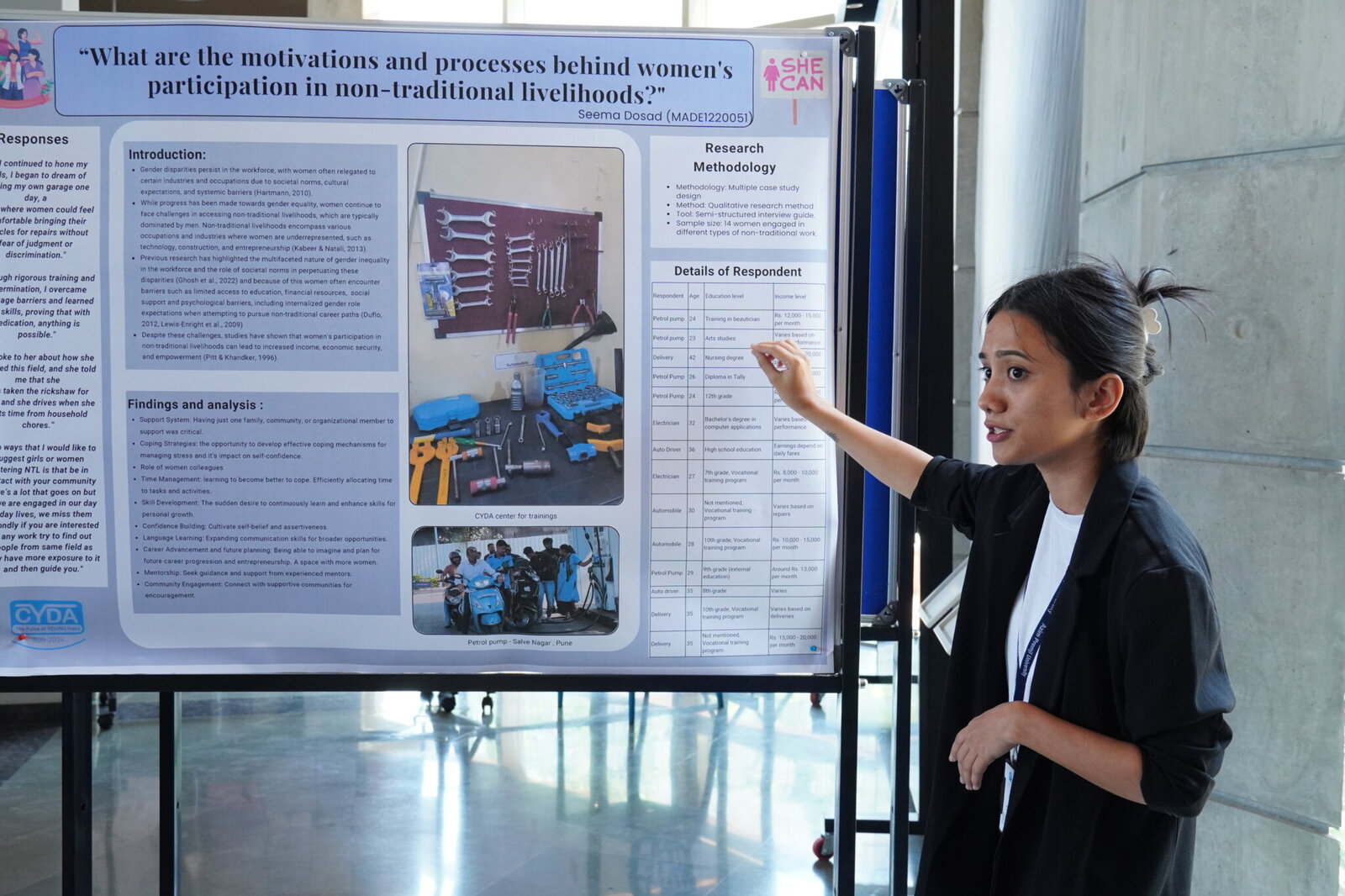
One study also looked into the motivations of women participating in occupations considered non-traditional for females such as mechanics, electrical work, and petrol pump operation. They had a supportive family, community, or organisation members and continued to find inspiration in female co-workers. They aspired to upgrade their skills and move to higher positions.
Sites of field projects — Assam, Bihar, Madhya Pradesh, Kutch, Maharashtra
The UN Human Development Index measures health as one of its core indicators. However, achieving health and wellbeing outcomes is not easy for everyone, especially in a country like India.
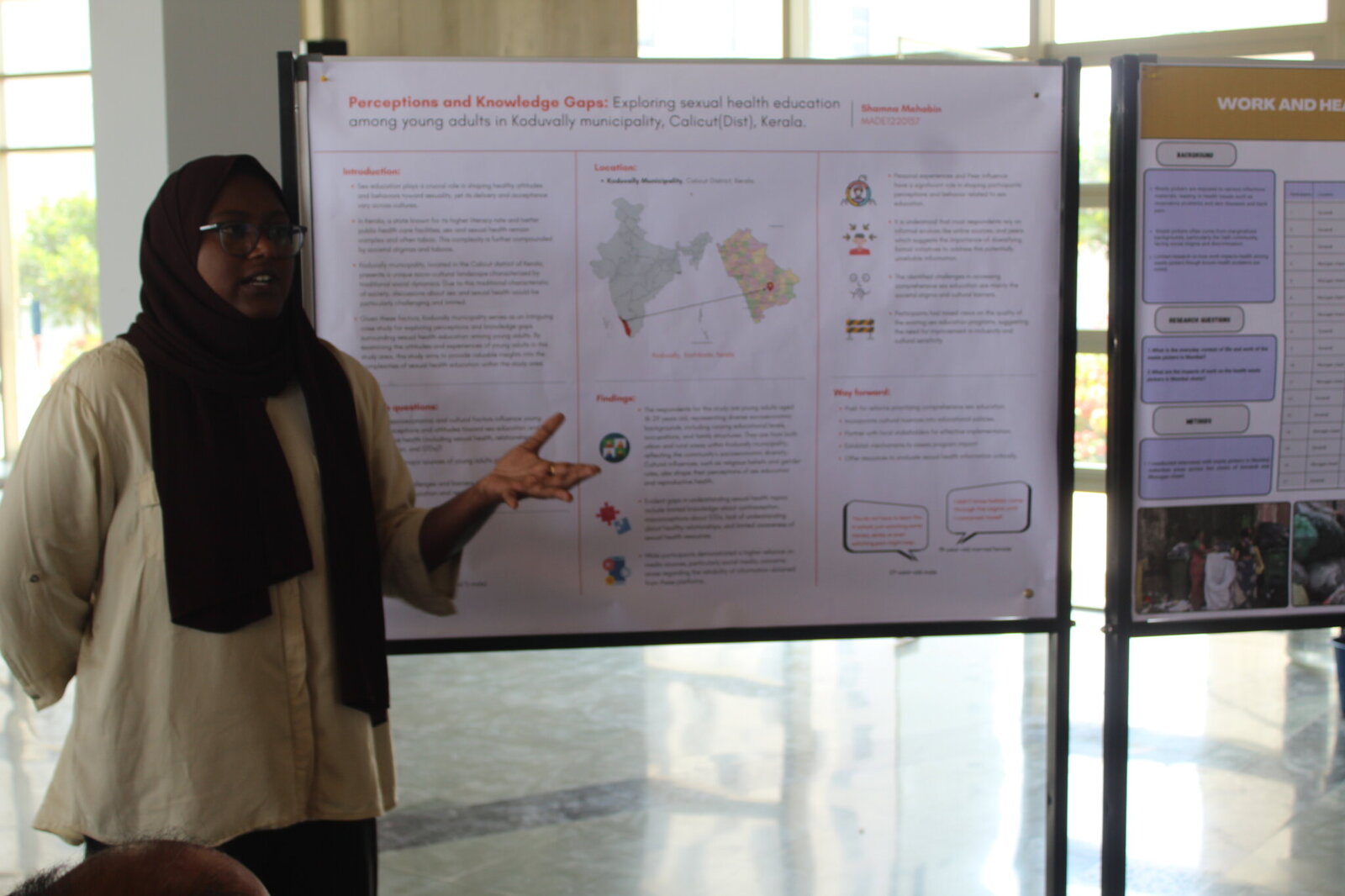
Menstrual and sexual health is not just hard to access but also laced with taboos. Three studies looked into how menstruation-related practices and awareness on sex, or lack thereof, affect the lives of girls and women. Cultural norms, extreme practices and social media add to the complexity of this terrain.
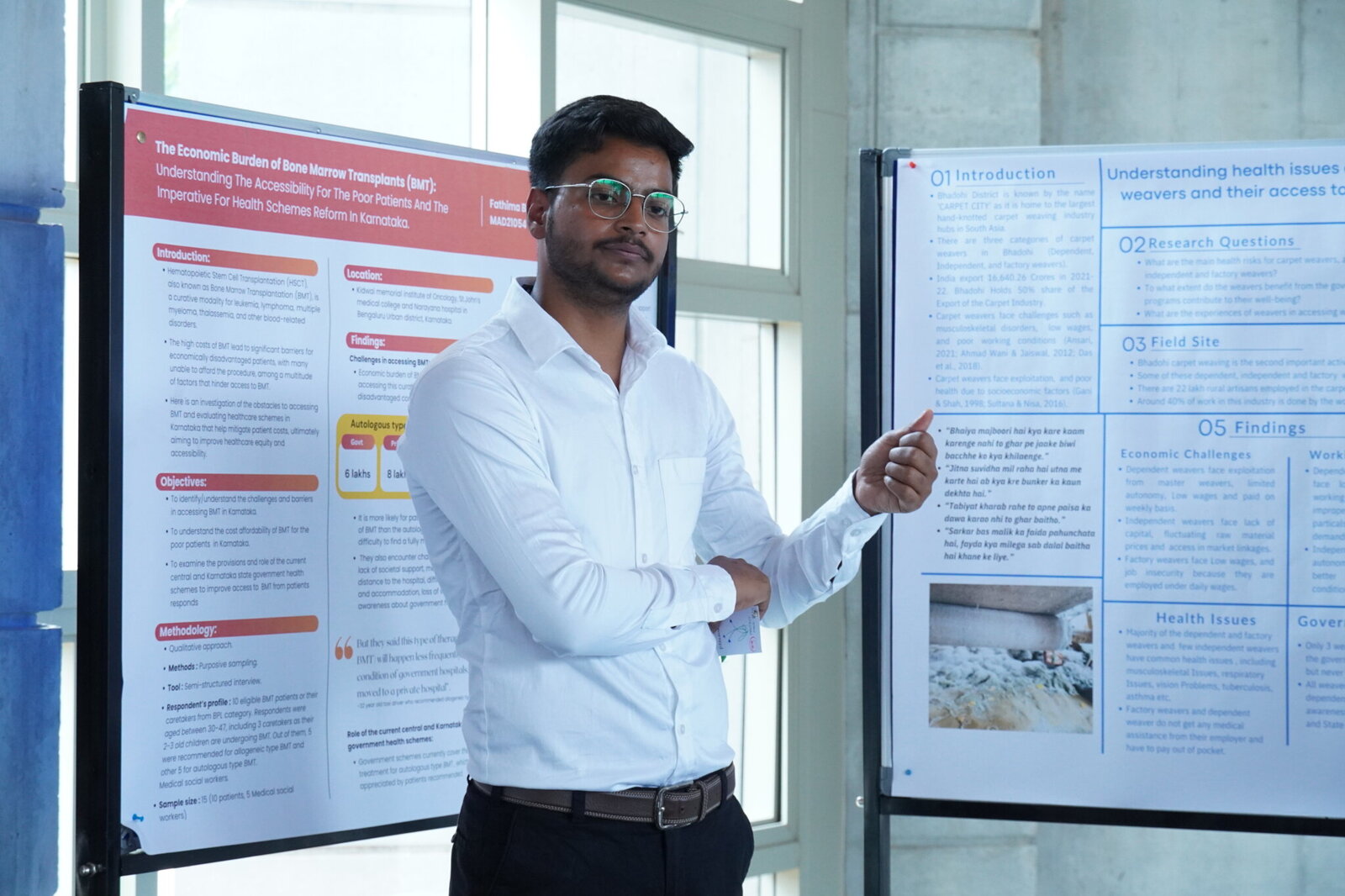
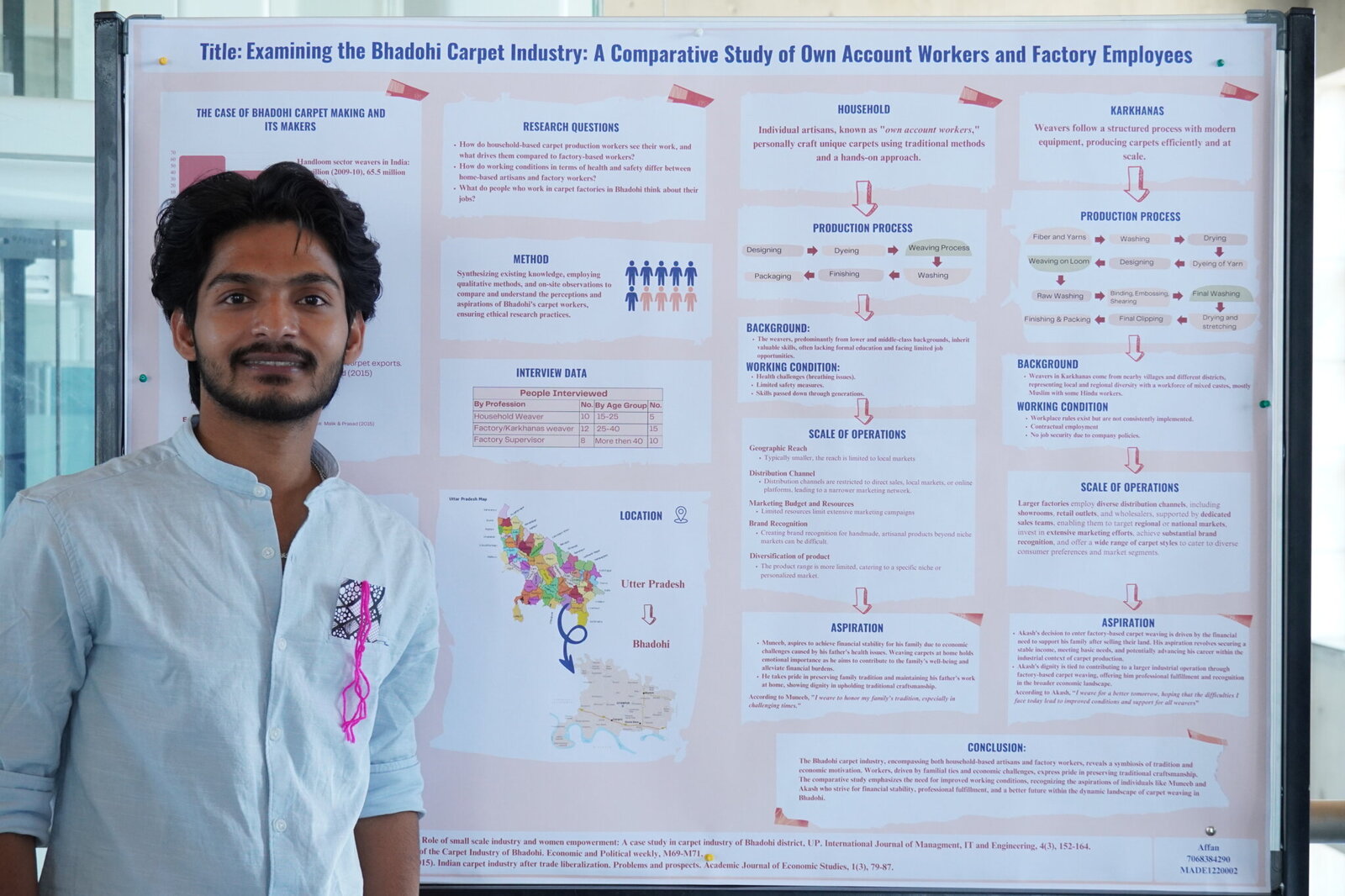
A person’s health is intimately tied to their occupation. In a set of studies tracing different livelihoods, students discovered the wellbeing issues individuals face owing to the nature of their work. People living in mining camps suffer through many ailments and poor living conditions. Waste pickers are exposed to skin diseases, back pain, and injuries because they don’t have proper protective gear. Carpet weavers work in poorly ventilated spaces for extensive periods, inhaling fine dust, as a result of which they develop respiratory issues. The employers in all such cases fail to provide even basic medical care, let alone a healthy working atmosphere. In another region, study into the lives of older sex workers revealed that they face livelihood issues and turn to dubious sources of income, because they are unable to benefit from government schemes.
Speaking of schemes, one presentation highlights the plight of BMT seekers (bone marrow transplant). This can be hard to source and very expensive. Presently, the government sponsors only one type of BMT, leaving many who require a different donor in a financial chokehold.
Three students focused on children – one exploring why parents prefer private healthcare providers over public health services and another raising awareness on cyber-bullying through workshops with adolescent students. The third revolved around ‘care leavers’ – children who are coming out of institutional care programs. They face troubles in joining the mainstream for lack of proper documentation, financial constraints and social isolation.
On a positive note, one student traced how the lives of women changed for the better when their village got piped water. With improved sanitation, they spent more time with their families or studying and relaxing.
Sites of field projects — Uttar Pradesh, Madhya Pradesh, Maharashtra, Karnataka Andhra Pradesh, Telangana and Kerala.
Informal labour is a convoluted terrain. More so when looked at through the lens of gender.
Four studies shed light on this theme; Female construction workers get paid 14% lesser than men in cities. Rural areas see some parity, but the overall pay is far below minimum. The garment industry prefers that women work from their factories. This does mean stable pay, legal protection and social unity but at the cost of a toxic work life and health issues. Women do not prefer this arrangement and choose to work independently from their homes albeit irregular workload and income. Domestic workers narrate stories of being treated inhumanely, abused, and constantly living under the threat of being sacked. Yet, they persist in this profession to fulfill their families’ needs. Down south, India’s first women-led trade union shares experiences of how the effort gradually deflated because women wanted solutions to their individual problems and weren’t able to unite in a collective consciousness of workers.
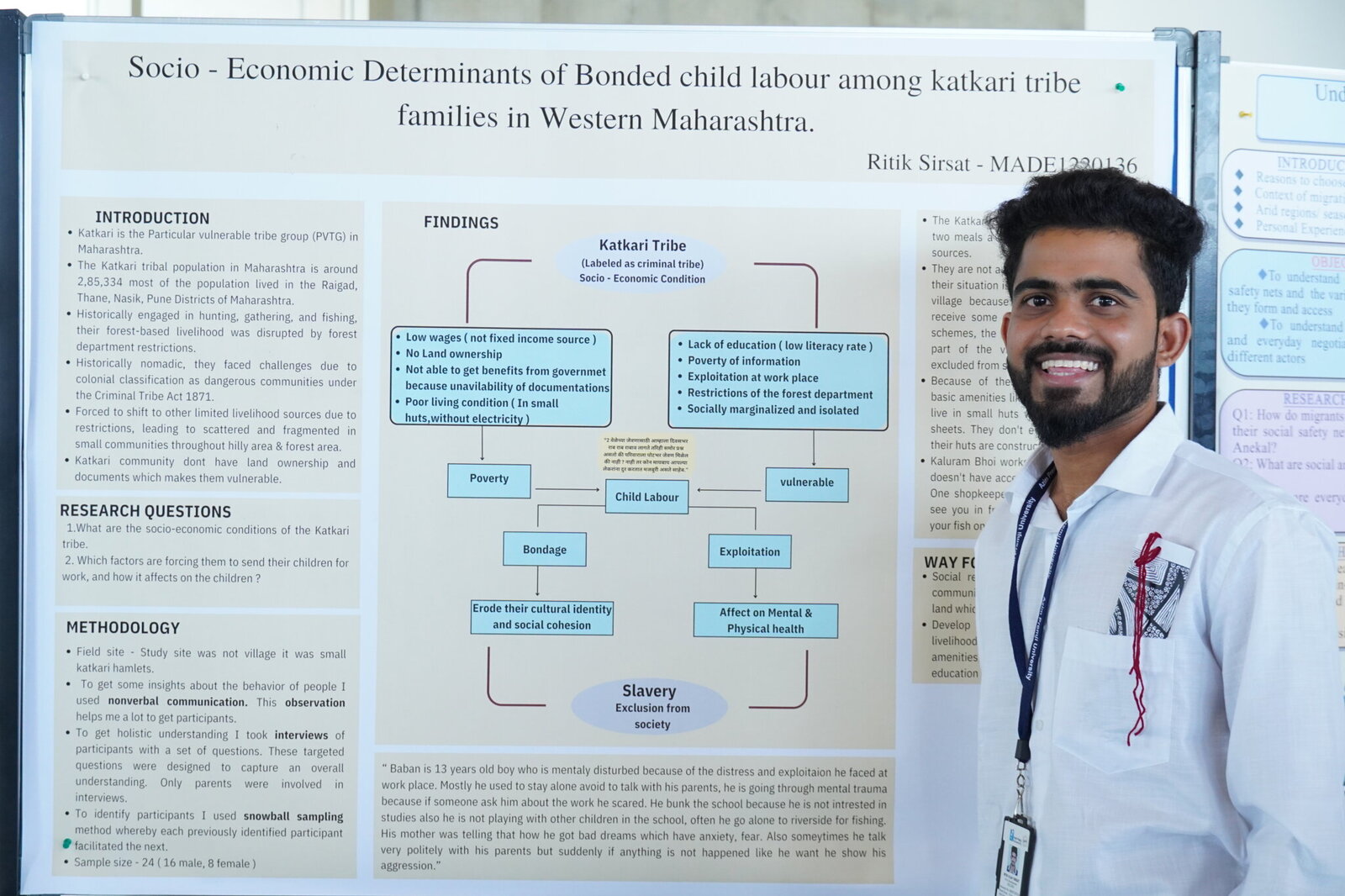
Various life conditions compel people to take up informal work – Students in Pune are increasingly taking up part-time work in the catering industry to pay for tuition and other needs. Similarly, gig workers in Delhi are facing immense competition as more and more individuals join the force to supplement their incomes. Migrant labourers find themselves staying back for better healthcare, education and amenities even though they feel completely alienated in big cities. A heart wrenching account follows bonded child labour happening in the Maharashtrian Katkari tribe. The people who face severe social stigma have also been devoid of their livelihood options due to restrictions on use of forest resources. This has pushed the young into seeking child labour, often in highly exploitative conditions.
Coal mine workers are not involved in provident funds or health schemes partly because they’re unaware of their entitlements, but also because they’re kept in the dark by employers.
Informal work is often threatened by factory production. One student examined how artisanal weavers are not able to match – up with factory designs, volume, prices or market share.
Sites of field projects — Delhi, Uttar Pradesh, Bihar, Jharkhand, West Bengal, Maharashtra, Karnataka and Kerala.
Communities have historically sustained livelihoods via their surroundings. But how must people cope with increasing environmental degradation? A case study on fisherfolk of Kerala brings to light the occupational and cultural loss the community faces due to coastal erosion. They’re left with no choice but to relocate –moving to the mainland means giving up on the only work they know.
Moving the narrative to the people who do migrate in search of better work – students investigated various aspects of the life and work of Rickshaw-pullers of Kolkata, bakery workers in Satara, fish farmers in Bundelkhand, agri farmers in Chevella, bell-metal craftspeople in Satherbari, Sandal industry in Peenya, and migrant workers of Lucknow and Ranchi. Some problems they found were marginalisation, housing troubles, redundance of chosen occupation, limited career growth, threats to their work due to mechanisation, entry of private players and bureaucratic issues.
Two studies on eco-tourism showed contrasting views of the locals. While the people of the Tawang district of Andhra are finding ways to promote tourism in their community-conserved areas, the residents of Kas Plateau in Maharashtra, a highly biodiverse UNESCO World Heritage site, do not care much for the tourism this label has invited.
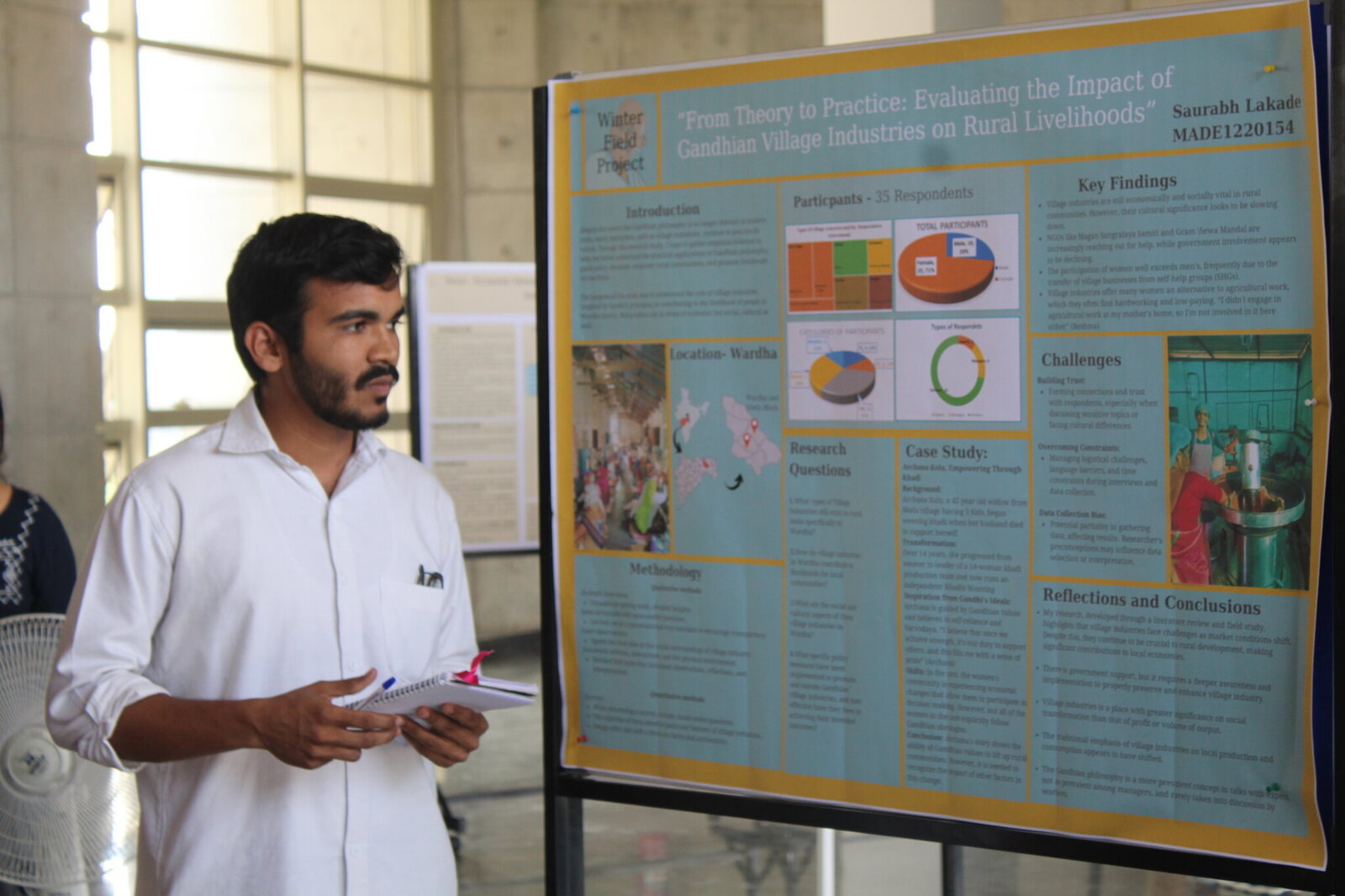
A presentation on Sevagram in Maharashtra showcases how this Gandhian-model village has found a new, valuable sense of community along with respectable handicraft occupations.
Sites of field projects — Uttar Pradesh, Maharashtra, West Bengal, Assam, Karnataka, Telangana and Kerala.
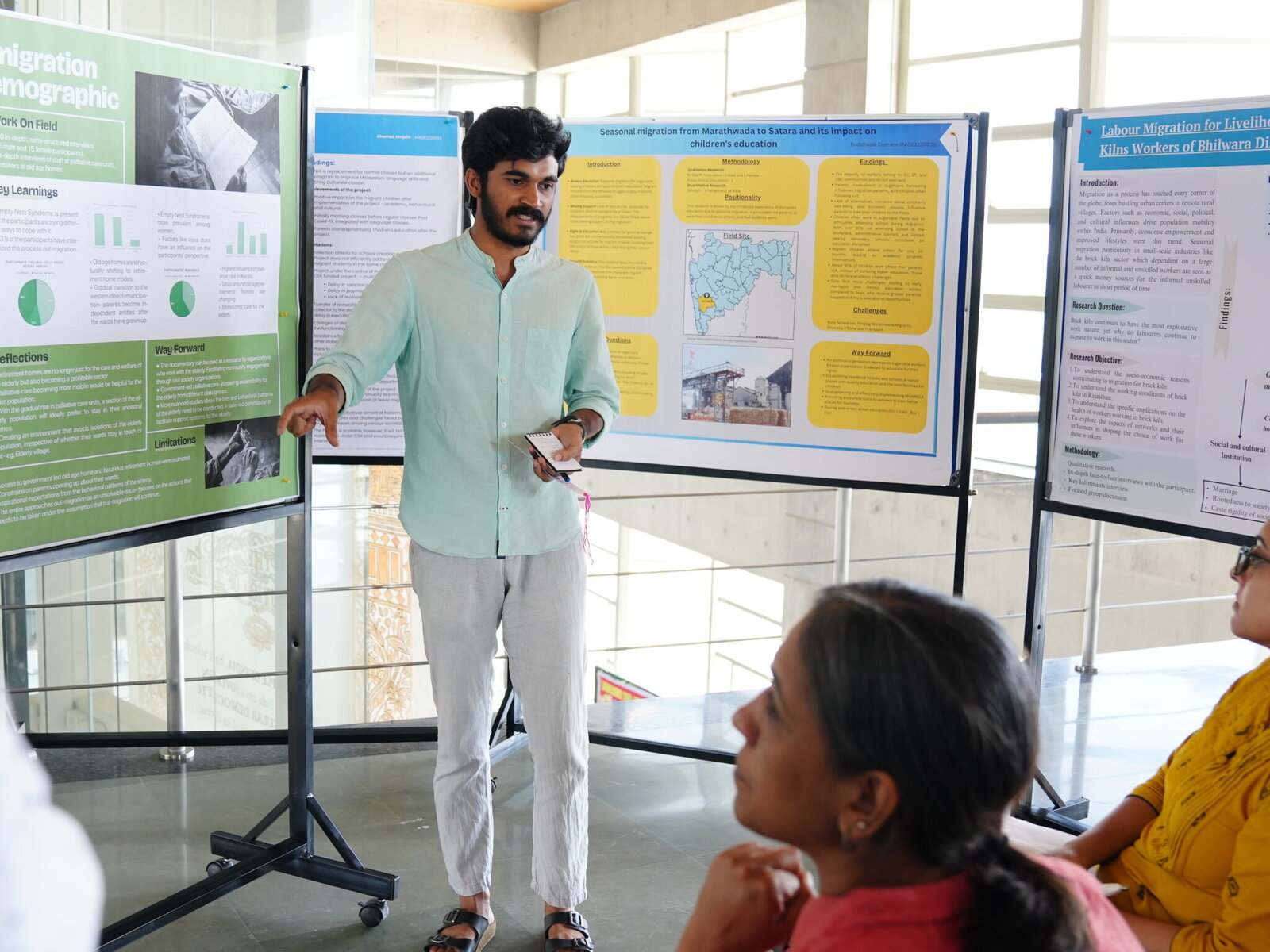
Many livelihoods in India rely on migration. The conditions in which migrant workers live and work constitute a large part of the development discourse in India. In one study, brick-kiln workers were interviewed to understand why they chose to work in hazardous conditions despite knowing better. What came up was the lack of any other viable options. This work provided stable guaranteed pay and did not require educational qualifications.
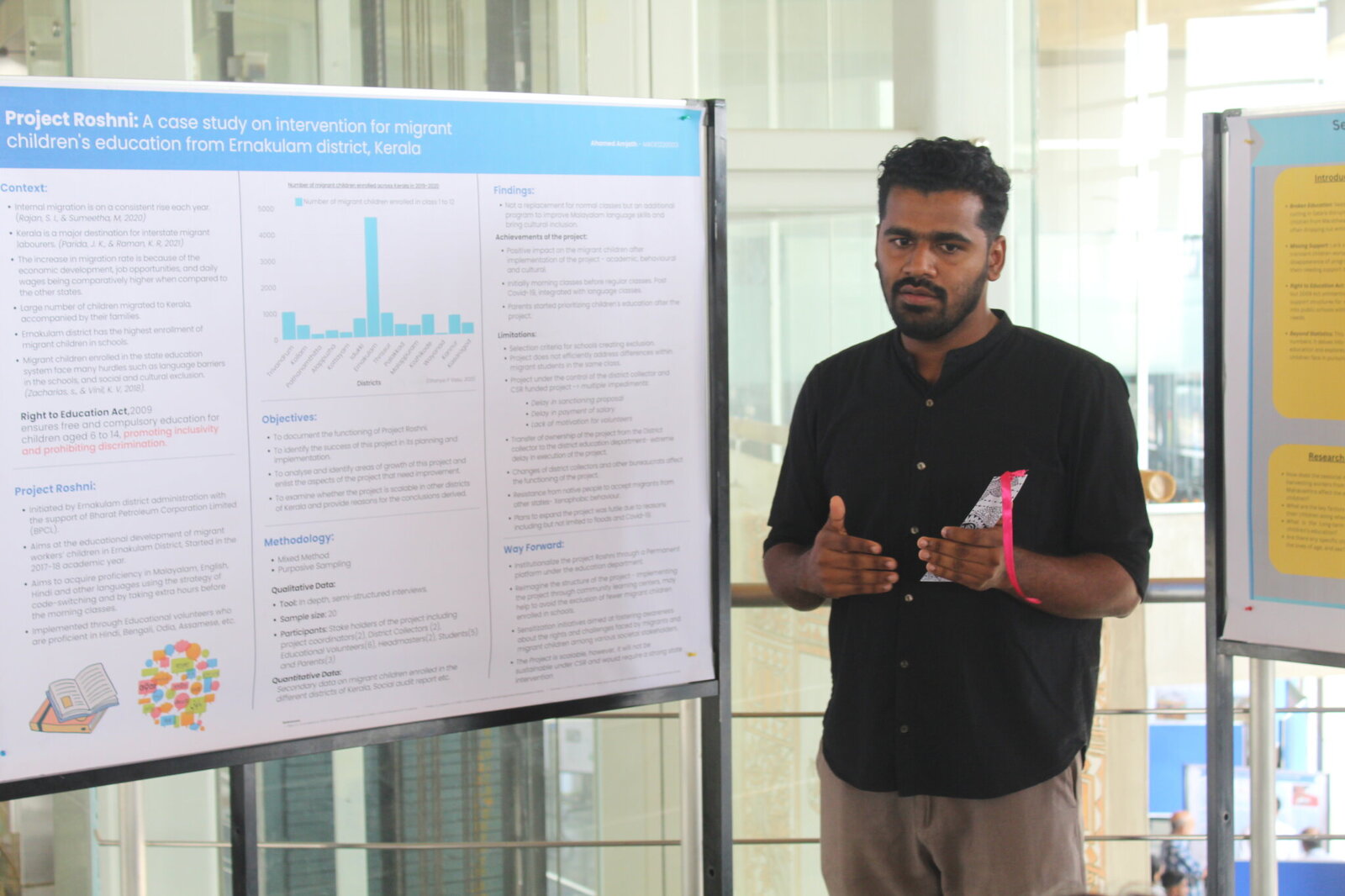
When parents move for work, the lives of their children are also significantly impacted, especially their education. Three projects unraveled how children are firstly missing out on schooling by being home alone and unsupervised. The ones that move with their parents and do continue studying, face language barriers, discrimination and difficulties in attending day school. There have been some efforts in this area, like Project Roshini that teaches migrant children Malayalam to ease the language barrier, however, the students highlighted the need for policy-level intervention.
Children are not the only ones left behind when breadwinners move out of homes. Their parents get left behind too. One project looks at empty-nest syndrome and the rise in palliative care units and retirement homes in Kerala. While older people do find companionship in these places, there are issues of caste, gender and economic access.
Sites of field projects — Rajasthan, Maharashtra and Kerala.
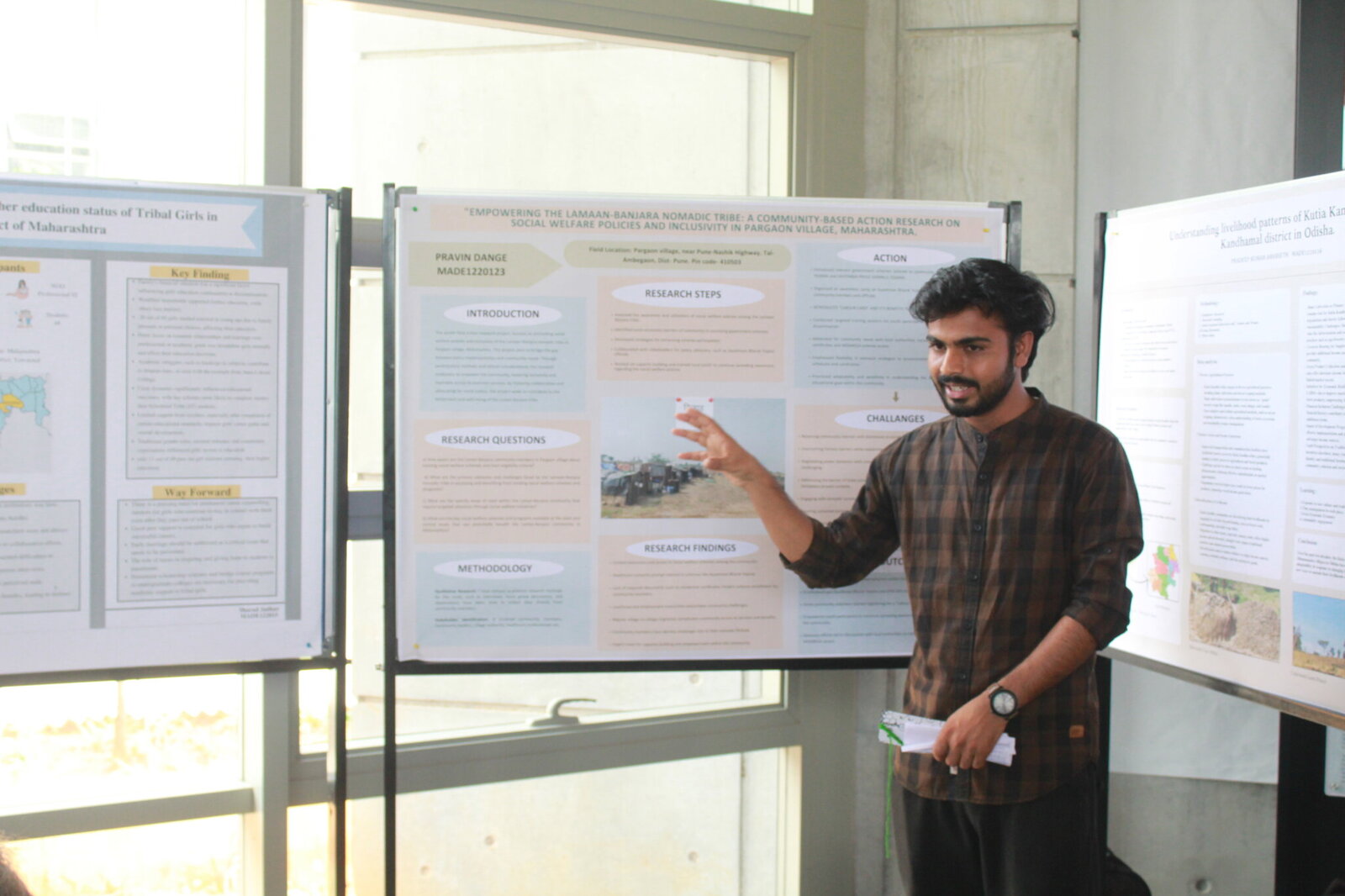
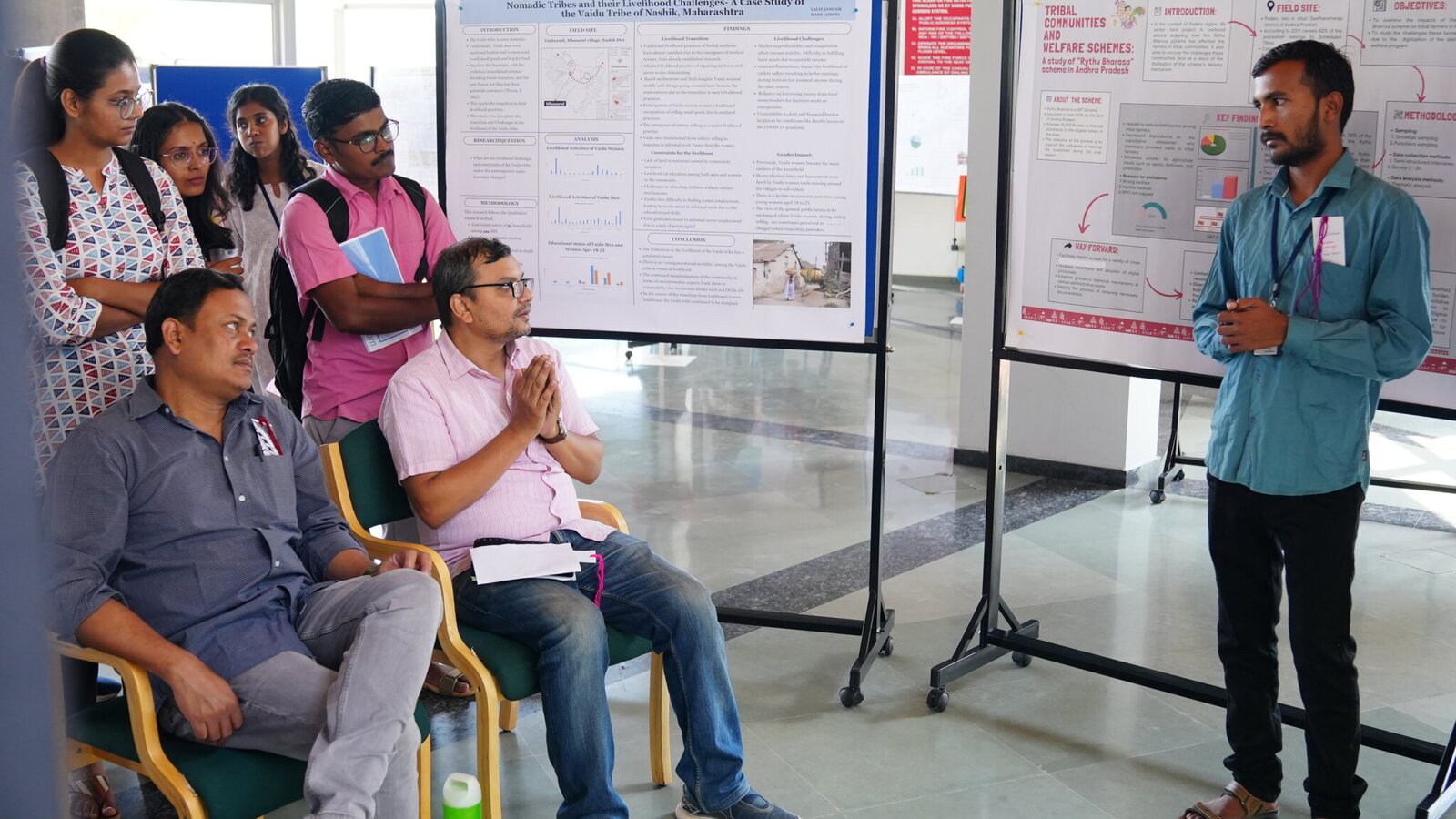
The government has put in place several schemes towards housing, health, livelihood etc., to benefit the tribals and alleviate their status. Whether these schemes are accessible by the people they’re meant for, and whether they’re able to mitigate their issues became a research subject. Students found that improper documents, digital nature of schemes, pervasive traditional beliefs and lack of awareness kept the tribals from benefitting from these provisions. Part of the problem is the lack of participation by the tribal people in local politics, as researched by one student.
Changing tribal cultures involved two studies on alcohol consumption and religious identity. In the first case, tribal people were leaving traditional, home-made liquors for commercially viable, poor-quality alcohol, leading to growing addiction and disassociation from their cultural identity. The second study on Gonds showed that increased interactions with Hindu communities was warping their beliefs into thinking they belong to the Hindu religion.
Migration is another important factor hitting tribal lives. Four students investigated the causes and consequences of this pattern. Unable to practice their traditional livelihoods, tribal people work as construction workers, garage workers, scrap-sellers or take up jobs in metro cities. Their social status, lack of formal education and debt incurment put them in precarious positions with these jobs.
Tribal youth are more aware of provisions and try to access mainstream education. However, they face a lack of learning resources, lack of mentorship, family burdens, alienation, and health issues. A lot of them, especially girls, do not make it to higher education.
Sites of field projects — Jharkhand, Odisha, West Bengal, Maharashtra and Andhra Pradesh.
Through nearly 150 interviews, students uncovered how street vendors go about conducting business. Their research highlights how the Street Vendors Act of 2014 has borne mixed results. In an attempt to organise this sector, the SVA has ended up relocating vendors who had been attached to their spots for very long. The police enforce rules in an abusive manner. Getting the license is expensive and complicated. The Town Vending Committees are not proactive and even partake in corrupt practices.
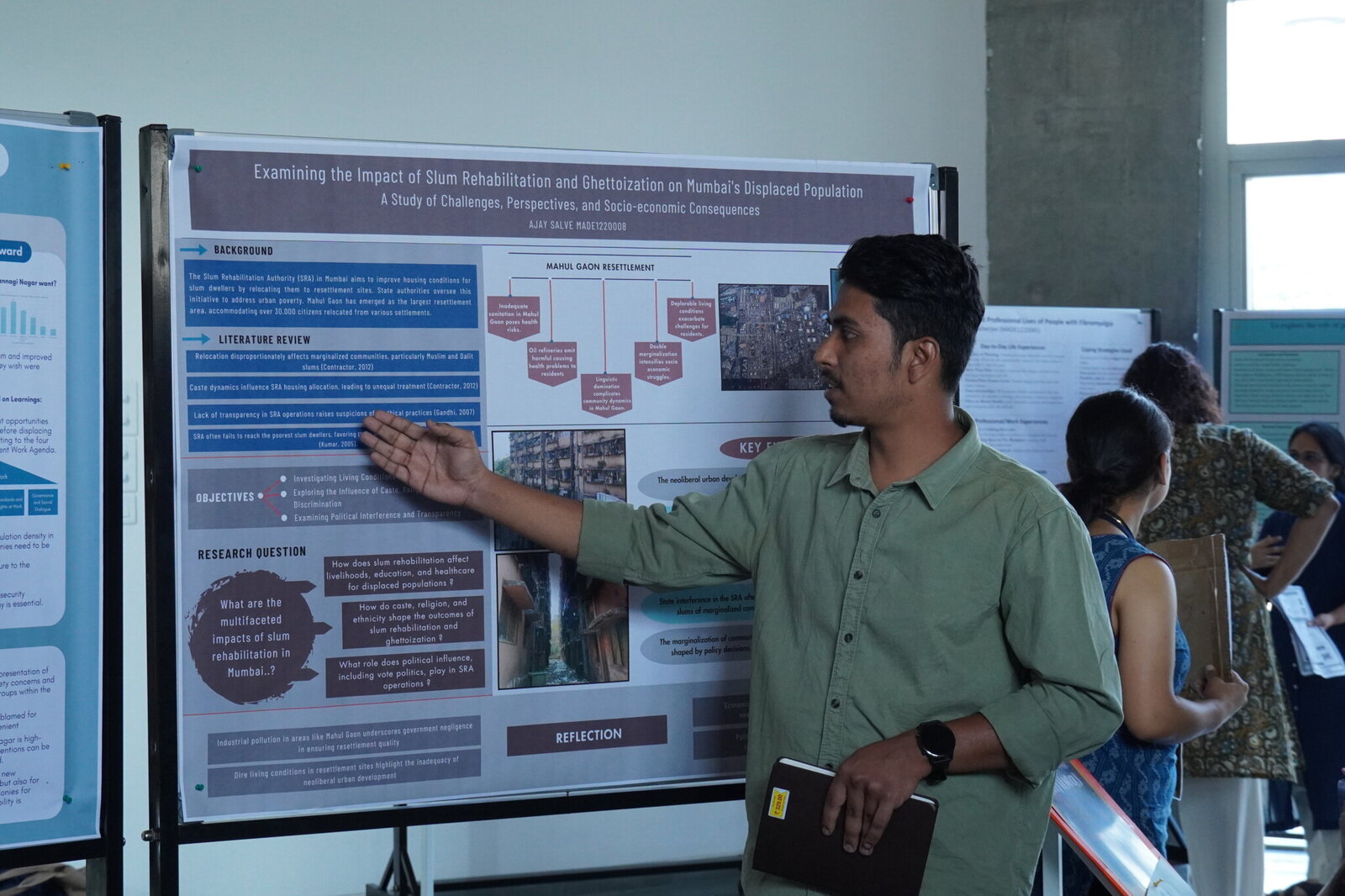
Four projects followed displaced people and examined how their rehabilitation has been. Stuffed in cramped and undignified spaces, these families make do with poor sanitation and access to public amenities, and limited work opportunities. They feel uprooted from their past and subordinated in the new accommodations.
Urban planning affects different members of the social fabric differently. Gurgaon’s rapid urbanisation has gravely impacted the city’s water table. Restoration efforts have not only excluded the urban poor but also pinned on them the blame for the decline. Meanwhile in Pune, a student looked into how public transport is experienced differently by city and suburban commuters.
Two other projects focus on reformative practices in the areas of manual scavenging and education in slums. Swachchangini tries to empower women by training them in specialised sanitation technology and making them financially independent. Several initiatives in Pune slums try to raise awareness about the importance of education, with fresh ways to engage the disinterested youth.
Sites of field projects — Bihar, Delhi, NCR, Maharashtra, Tamil Nadu and Telangana.
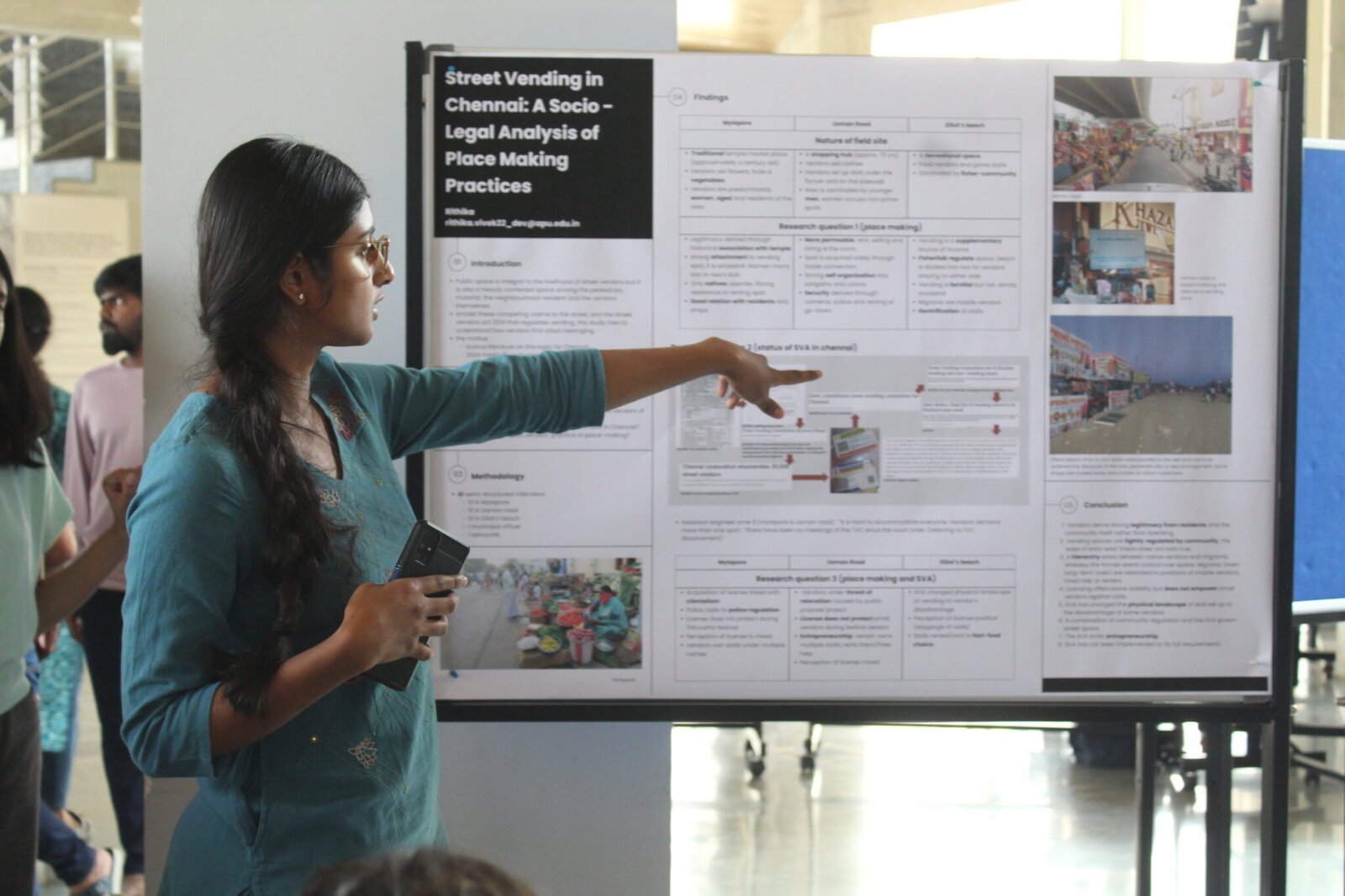
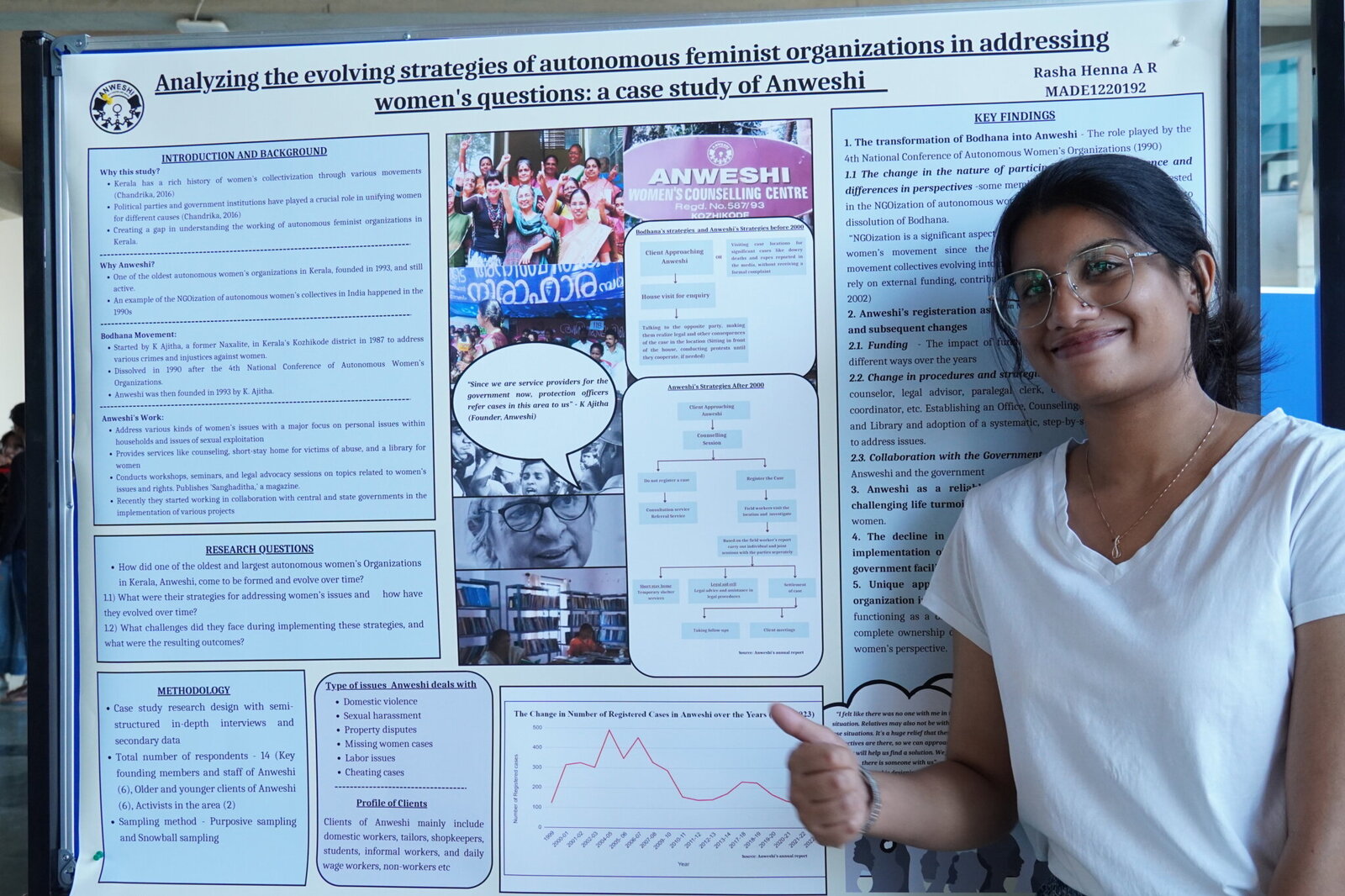
Gender is a social construct that pervades the human body and seeps into institutions, policies and occupations. This set of studies uncover how this phenomenon affects people at a systemic level – from policies that are gender-focused or gender-agnostic to institutions like marriage which propagate gender stereotypes. The research into marriage also highlights how educated mothers can propel their daughters to a secure future but not at the cost of their married lives.
Women have struggled with accessing public spaces, remaining limited to their courtyards or grocery shops in the vicinity. One study finds that even the spaces that women do access are restricted in terms of what they can do there – like, they can buy milk from a tea stall but never pause to have a cup of tea from there. Besides access, safety is also a big concern for women in public spaces. A group of females in Lucknow have gone and learnt self-defense to bolster their confidence outside. This has made them aware of predatorial behaviour and stay prepared on the streets.
Anwesha, an autonomous feminist organisation, was the subject of research for one student. They have created a space for women to seek support from counsellors, legal advisors, paralegal clerks and community workers for personal and complex issues.
Sports has been a male-dominated space since time immemorial, but even modern-day games are failing to be inclusive despite the discourse on gender and sexuality. One student’s intervention in Ultimate Frisbee was to make not just the sport and coaches but the rules themselves inclusive and sensitive.
Sites of field projects — Uttar Pradesh, Gujarat, Rajasthan, Karnataka, Telangana, Tamil Nadu and Kerala.
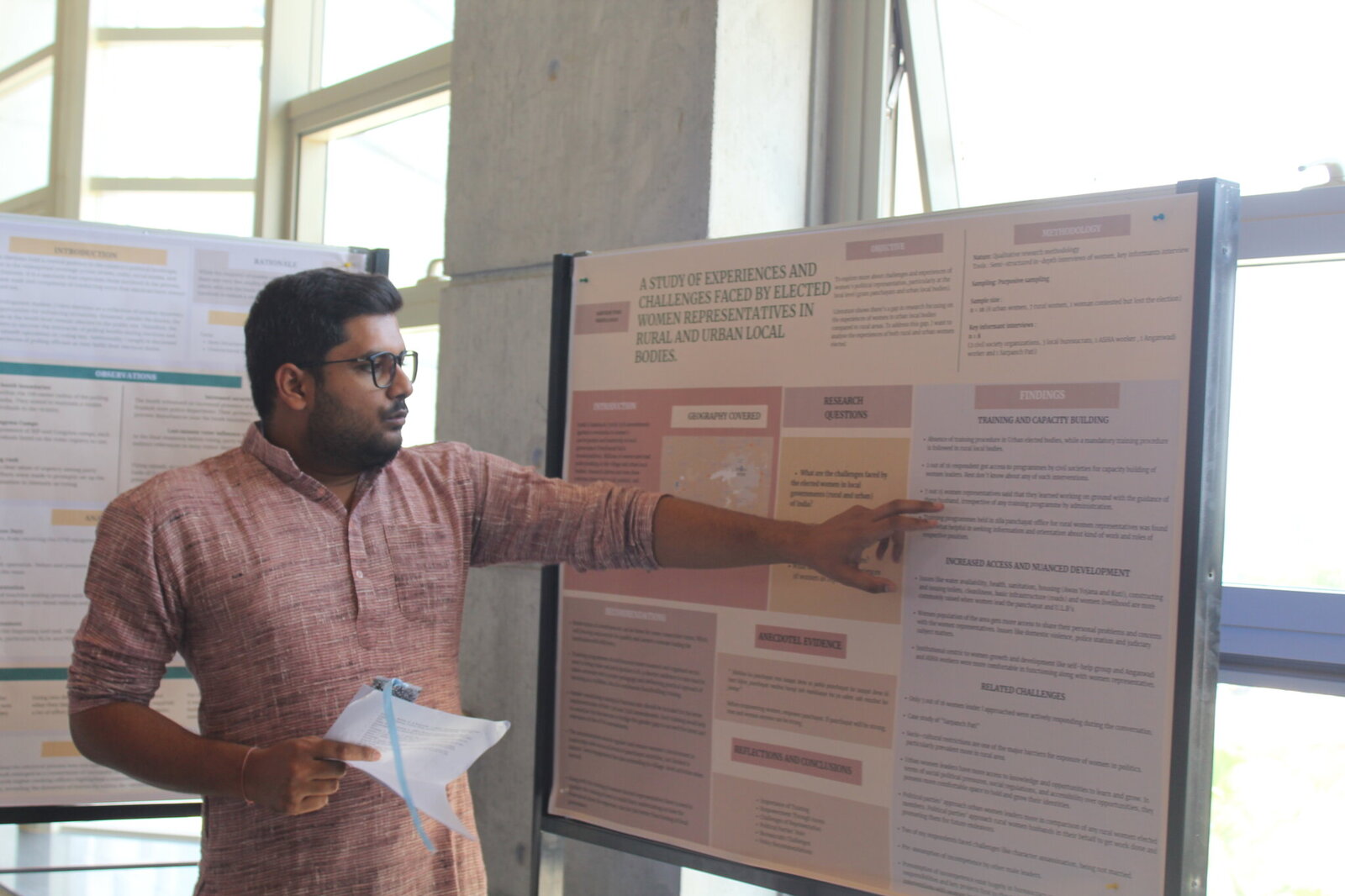
These presenters consider questions of representation, manner of governance, and the State’s accountability to its people.
One group of students looked at local governance in cities and villages. They found several problems like elites influencing elections, lack of appropriate skills in representatives and a lack of preparation in potential candidates. The students observed the gaps and conducted workshops and training modules in these areas.
When it comes to women participation in politics, issues like lack of training, proxy-politics and tokenism and passivity came to light. Several suggestions for reservation, capacity-building and awareness on patriarchy in politics were made by the presenters.
An interesting venture into the experiences of election booth officers highlighted the challenges this job entails but doesn’t prepare the officers for – electoral app failures, clashes between party workers, communal sloganeering and canvassing.
Very often, the State has passed regulations without a thorough understanding of its consequences. The demolitions in Khargone which evicted Muslims from their homes, the Ayodhya airport project displaced villagers and Bihar’s 2016 blanket ban on alcohol were three instances studied by students. The effects of these decisions impacted different social groups differently – while most people were displaced and marginalised, some were compensated for their loss. The alcohol ban rendered useless because the men switched to drugs and the women continued to suffer domestic abuse.
Sites of field projects — Uttar Pradesh, Madhya Pradesh, Bihar, Jharkhand, Odisha, Maharashtra Andhra Pradesh and Kerala.
Two students made enterprising interventions in their locales. One piloted a social enterprise to reduce FMCG-produced plastic waste. He created a snack brand that uses paper-based packaging to serve the hikers and tourists in that area. Another came up with a social enterprise model to help cashew farmers produce a ready-to-consume item and turn more profit. This not only eliminated third parties but also employed more people in the village.
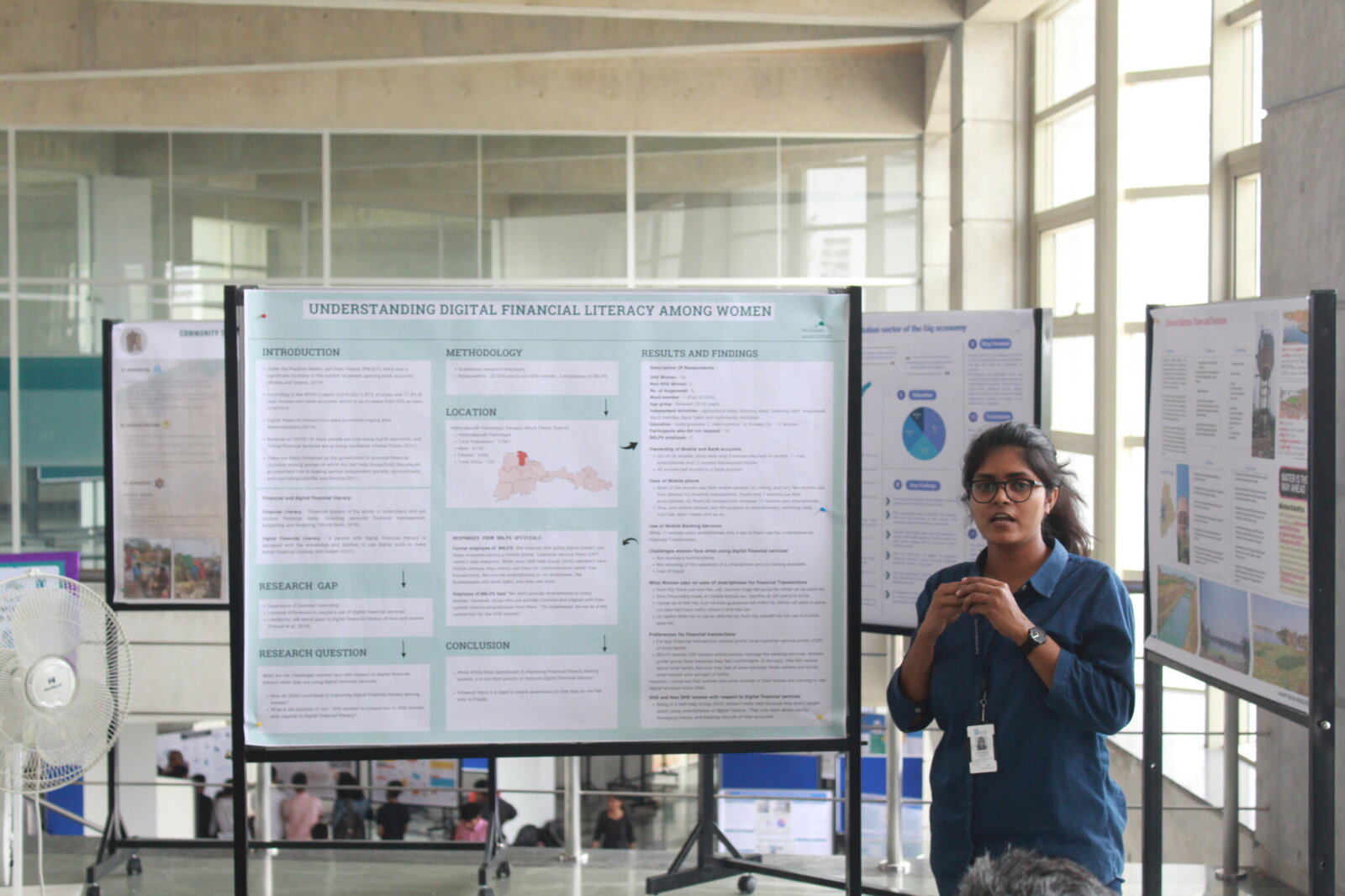
Women’s financial capacities were also studied in two different projects. Interesting research into how women involved in self-help groups contributed significantly to family income and participated in agricultural decisions also somehow showed less participation in their children’s education and ownership of assets. In Bihar, women seem to be hesitant of using digital payment methods on their phone. Digital literacy, fraudulent behaviour, and mobiles being owned by husbands are some of the deterrents.
Hassle-free loan systems have become pretty common these days. One such instant credit facility has severely impacted students in Hyderabad. The ease-of-use compels them to borrow money for gambling and personal use, incurring heavy and dangerous debt later. On the contrary, an Islamic interest-free loan system has helped people from diverse communities who have faith in the bank’s philosophy.
Lastly, one presenter made recommendations to make corporate employee participation in CSR initiatives more genuine and effective.
Sites of field projects — Bihar, Uttarakhand, Rajasthan, Jharkhand, Maharashtra, Telangana and Kerala.
The discourse on mental health and disabilities has gained significant momentum in recent times. This set of projects explores the lives of the two kinds of people involved – the person living with the condition and the caregivers. Both face different types of challenges and come up with ways to cope.
One research into patients with fibromyalgia revealed toxic self-perceptions and unkindness they subject themselves to, owing to social stigma around the condition. Another study on visually impaired street-vendors explored their agentic stance on being perceived as a burden, and also the difficulties they face in their endeavours.
Disability issues are further complicated by issues of gender. Focussing on marriage, motherhood and domestic life, one student sheds light on the bigotry and unfair expectations set on women with disabilities. Female caregivers, in one study, found solace in prayer and self-compassion amidst feeling overwhelmed, abused and choiceless. Speaking of caregiving, another research found that one of the main reasons behind high suicide rates amongst students was lack of social support and care.
Sites of field projects — West Bengal, Maharashtra, Telangana and Karnataka.
Four projects explored how food is the most everyday way of experiencing one’s culture. In cities where food habits are rapidly changing due to heavy migration, restaurants and food joints often change their menus to cater to a wide audience. There is a rise in the consumption of fast food among the youth, that is more cosmopolitan in nature. However, there are some migrant groups who feel nostalgic about their food culture and stay in touch with their culinary habits through cooking.
Language is another such touchpoint to culture and one school in Gadchiroli is creating an alternate education for its students by teaching them traditional knowledge in their tribal native tongue. The research explores the relevance of such schooling in the modern day.
It’s possible that one might feel alienated in their own land, due to politics or communal history. One student explores why this might be the case with some Hyderabadi Muslims and the reasons behind this feeling of disconnect.
Sites of field projects — Telangana, Maharashtra, Karnataka and Uttar Pradesh.
In one study, the views of household sanitation workers were recorded. While they find this job stigmatised and underpaid, they don’t think it has much to do with their caste identities and don’t seem to mind the nature of work either.
What urban folk might not even think twice about, the slum dwellers of Kolkata have developed an intricate social structure for – toilets. Two students unpack how people have organised the use of public toilets, dictating who relieves themselves first. Naturally, with so many people availing such a scarce commodity, unsanitary conditions, diseases and accidents are bound to happen.
Down south, Mission Kakatiya flopped because its implementation didn’t factor local perceptions about irrigable water, nor did it create awareness about how the execution is planned. As a result, people either abused the system or did not avail themselves of it.
A student’s work in U.P. shows the suffering of people who are forced to consume contaminated groundwater. With no affordable alternatives and lack of healthcare, this population now has heavy-metal contamination in their blood.
Sites of field projects — West Bengal, Telangana and Uttar Pradesh.
A variety of projects explored the concept of citizenship and identity. Some of the narratives are about:
A group of Dalit people who held respectable government jobs but were pushed into cleaning work after partition, and their fight to claim non-caste-based occupations. Another set of Dalit people who have found occupational parity but stunted cultural exchange.
The plight of the Miyas in Assamese detention camps who have had no access to health, educational or economic privileges.
The Transgender Persons (Protection of Rights) Act, despite being a step in the right direction, fails to bolster the status of the community to fully assert their rights.
Two studies focussed on the reasons that lead to a strong or weak caste movement within institutions – The first with Matang and Mahar people who remain restrained in their efforts to mobilise their movement for better social participation, and the second with university students who find Ambedkarite student bodies more approachable and useful than SC/ST cells.
One student explored assertion of identity through the Bhim Geete counter-culture movement that is liberating women through songs of social justice.
Sites of field study — Assam, Delhi, West Bengal and Maharashtra.