
From Mannat to Morchals: A Short History of the Indian Fan
In this episode of That’s the Thing, Jimmy, Kavya, and Atharva chart a journey that starts with fandom — cricket crowds, cinema chants, and the electric energy of being part of something larger — and ends in the quiet hum of history, myth, and technology behind everyday fans. They trace how being a “fan” in India isn’t just about cheering — it’s about comfort, caste, ceremony, and control.

Details
You could be a fan of Shah Rukh Khan. Or of ceiling fans. In India, both enjoy a near‑divine status. One brings the masses to their knees at Mannat. The other keeps the masses from melting.
We begin with fandom — the kind that fills cricket stadiums, breaks into choreographed dances at cinema halls, and occasionally causes stampedes. We explore the anatomy of Indian fan clubs: the frenzy, the flags, the frayed tempers, and the feeling of belonging. But slowly, the current shifts.
Because there’s another kind of fan that’s literally moved India.
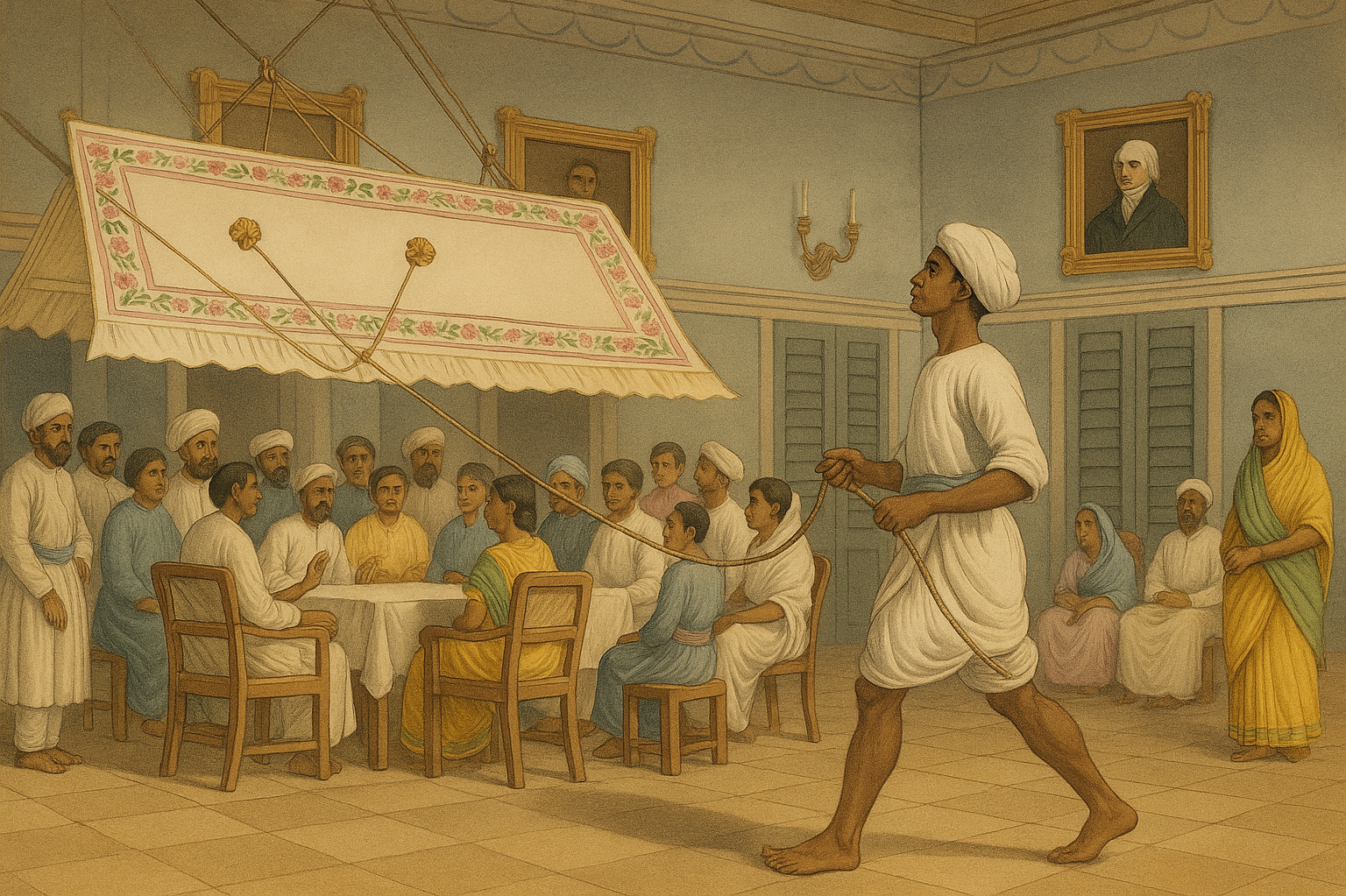
Long before electricity, a fan was a person. A pankhawala—or punkah wallah — pulled ropes to sway massive ceiling-mounted cloth fans. These human-powered punkahs were more than functional; they were symbols of hierarchy in colonial courts and homes, and served by an “invisible labourforce”.
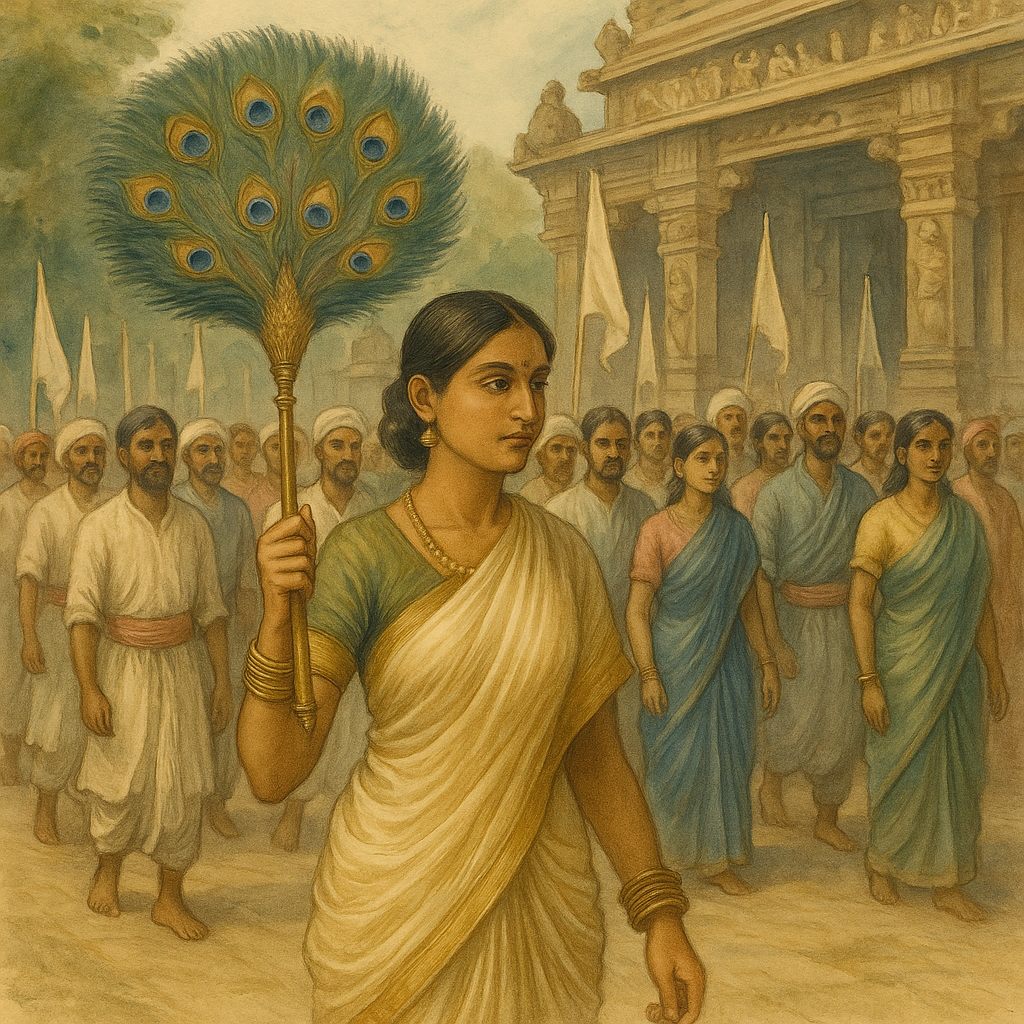
Fans have long held symbolic power. The chowri bearer, captured in temple reliefs and sculpture, held palm-leaf fans or morchals—ornamental whisks made from peacock feathers or yak tails. The Didarganj Yakshi — a celebrated Mauryan-period statue discovered in 1917 and now in the Bihar Museum — clutches a morchal. It’s a stone echo of sensuality, service, and status
Peacock-feather morchals continued to flutter through court and temple rituals, carried as emblems of grace and reverence.
Meanwhile the pankhawala profession faded. By the 1940s, electric fans had arrived, and these human breeze-makers became a memory — replaced by motors, electricity, and a different kind of noise.
The British — and later Indian industry — brought fans into the future. In 1937, a UK firm, Crompton Parkinson, joined with India’s Greaves Cotton to form Crompton Greaves Consumer Electricals. By 1906 in India (and internationally by the 1930s), they were producing electric fans with regulators, unlocking controlled airflow for Indian homes and institutions
Post-Independence, Crompton Greaves fans became ubiquitous. Their efficient induction motors and speed controls made cooling not just accessible but expected — from railway stations to wedding halls, and one-bedroom flats — setting a comfort standard that spread to Southeast Asia and the Middle East .
Today, that legacy hums above our heads: unseen yet essential. Whether you’re under a fan or following one, it’s worth asking — what keeps us spinning?
Because that’s the thing — in India, being a fan is never just about cool air.
It’s about passion.
Prestige.
And sometimes, power.
Credits
Produced by Jimmy Xavier.
Radio Azim Premji University: Akshay Ramuhalli, Bruce Lee Mani, Gorveck Thokchom, Kishor Mandal, Kruthika Rao, Narayan Krishnaswamy, Prashant Vasudevan, Ram Sheshadri, Sananda Dasgupta, Seema Seth, Shraddha Gautam, Supriya Joshi, and Velu Shankar, Shraddha Gautam, Supriya Joshi, and Velu Shankar.
Images used are AI generated.