
What Love Sounds Like in Kannada | ಕನ್ನಡ ಪ್ರೇಮಕಾವ್ಯ
Is love only between two people? Or is it also the love for language, for landscape, for music, for memory?
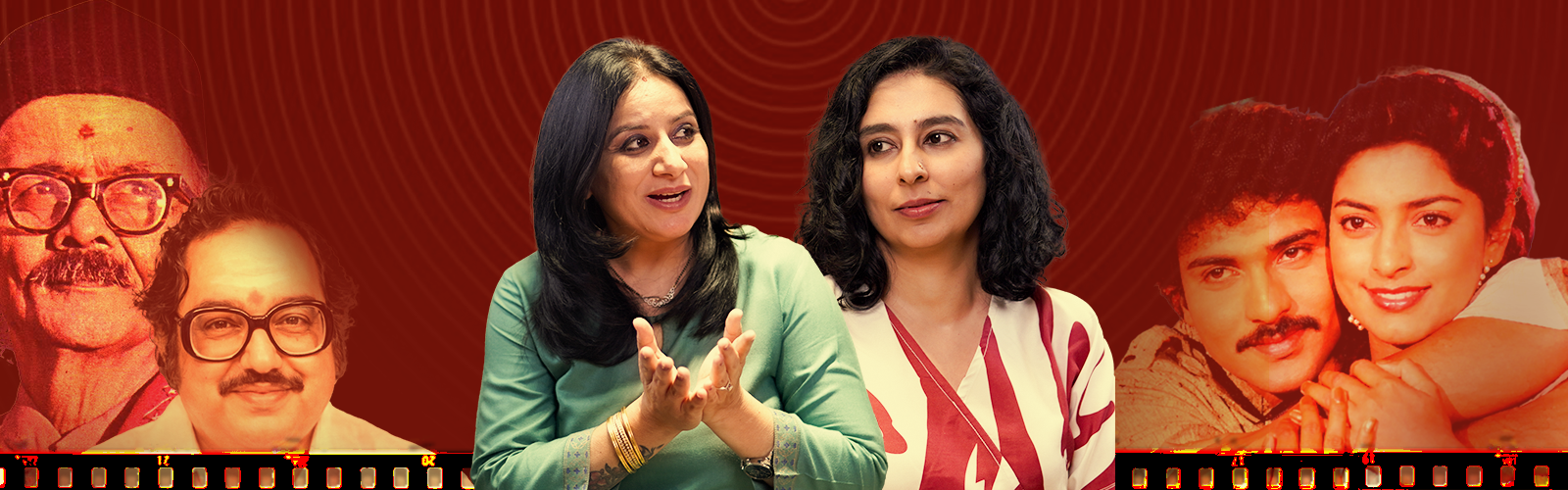
In this Valentine’s Day special of Noorakke Nooru Karnataka, we explore how Kannada literature and cinema have shaped the way an entire generation understands love. This episode features actress Pooja Gandhi, as we mark 20 years of Mungaaru Male; a film that became a watershed moment in Kannada cinema.
Details
Pooja Gandhi takes us back to the beginning. The film had several scenes that were shot in Jog Falls. When she first reached the location, there was almost nothing there. Rain, wilderness, leeches. They shot for four days in that terrain. At the time, she thought everyone involved was slightly mad. Today, those images feel like part of Karnataka’s emotional memory.
She recalls going for ‘First Day First Show’ at Sagar Theatre. She did not know Kannada well then. She did not fully grasp the emotional undercurrent of the film she had acted in. It was only later, after she learnt the language, that she truly understood what the film was saying and why it had touched so many people.
Subscribe on YouTube
We speak about the shift ; the feeling of “pre-Mungaaru Male” and “post-Mungaaru Male.” About how it redefined romance on screen. About how it changed the way landscapes like Jog Falls were viewed. About how love was no longer spectacle, but something quieter, rain-soaked, interior.
But this episode goes beyond one film. We move through love as it has been sung, written, and remembered in Kannada — beginning with lyricists who gave romance its voice. From Chi. Udayashankar’s cult classics like Jotheyali Jothe Jotheyalli and Endendu Ninnanu Maretu to Hamsalekha’s era-defining reinvention of film music in the late 80s and 90s, when emotion became melody and mass culture. We pause at K. Kalyan — often called Kannada’s own prema kavi — whose lines like “Usire Usire, Ee Usira Kolla Beda” slipped effortlessly into everyday speech, becoming the language of longing itself.
We reflect on Jayanth Kaikini’s contemporary tenderness in ‘Ninnindale Kanasondu Shuru Aagide’ and Dhananjaya Ranjan’s lyrical sensitivity in ‘Saptasagarada Aache’ which gave love the most contemporary tune.
From songs, we return to the deeper roots of Kannada literature; from Bendre’s Naaku Tanthi to Kuvempu’s expansive idea of love — not just for one person, but for humanity itself.
We revisit N.S. Lakshminarayana Bhatta’s Yelli Jaarito Manavu, a quiet meditation on a wandering heart, H.S. Venkateshmurthy’s Thoogumanchadalli Koothu to Mysore Mallige, whose verses once travelled into homes as gifts for newly married couples, carrying poetry into everyday life. And of course, to Premaloka; the cultural moment when cinema, song, and romance became inseparable in Kannada imagination.
In the end, we ask a simple question: what are we teaching our children about love? Are we passing on only the surface of romance, or also the deeper cultural and linguistic worlds that shaped it?
Kannada Premakavya is not just about Valentine’s Day. It is about how a language remembers love — and how love, in turn, keeps a language alive.
ಪ್ರೀತಿ ಕೇವಲ ಇಬ್ಬರು ವ್ಯಕ್ತಿಗಳ ನಡುವೆ ಮಾತ್ರವೇ? ಅಥವಾ ಭಾಷೆಯ ಮೇಲಿನ ಪ್ರೀತಿ, ಪರಿಸರದ ಮೇಲಿನ ಪ್ರೀತಿ, ಪೋಷಕರ ಮೇಲಿನ ಪ್ರೀತಿ, ಸಂಗೀತದ ಮೇಲಿನ ಪ್ರೀತಿ, ನೆನಪಿನ ಮೇಲಿನ ಪ್ರೀತಿಯೂ ಹೌದೇ?
ನೂರಕ್ಕೆ ನೂರು ಕರ್ನಾಟಕದ ಈ ಪ್ರೇಮಿಗಳ ದಿನದ ವಿಶೇಷ ಕಾರ್ಯಕ್ರಮದಲ್ಲಿ, ಕನ್ನಡ ಸಾಹಿತ್ಯ ಮತ್ತು ಸಿನಿಮಾ ಇಡೀ ಪೀಳಿಗೆ ಪ್ರೀತಿಯನ್ನು ಅರ್ಥಮಾಡಿಕೊಳ್ಳುವ ರೀತಿಯನ್ನು ಹೇಗೆ ರೂಪಿಸಿದೆ ಎಂಬುದನ್ನು ನಾವು ಅನ್ವೇಷಿಸುತ್ತೇವೆ. ಈ ಸಂಚಿಕೆಯಲ್ಲಿ ನಟಿ ಪೂಜಾ ಗಾಂಧಿ ಅವರು ಕನ್ನಡ ಚಿತ್ರರಂಗದಲ್ಲಿ ಒಂದು ಮಹತ್ವದ ತಿರುವಾದ ‘ಮುಂಗಾರು ಮಳೆ’ ಚಿತ್ರದ 20 ವರ್ಷಗಳ ಬಗ್ಗೆ ನೆನಪಿಸಿಕೊಳ್ಳುತ್ತಾರೆ.
ಪೂಜಾ ಗಾಂಧಿ ನಮ್ಮನ್ನು ಆರಂಭಕ್ಕೆ ಕರೆದೊಯ್ಯುತ್ತಾ, ಚಿತ್ರದಲ್ಲಿ ಜೋಗ್ ಜಲಪಾತದಲ್ಲಿ ಚಿತ್ರೀಕರಿಸಲಾದ ದೃಶ್ಯಗಳು, ಅಲ್ಲಿ ಕಾಡಿದ ಮಳೆ, ಜಿಗಣೆಗಳು ಮತ್ತು ಆ ಸಮಯದಲ್ಲಿ, ‘ಎಲ್ಲರೂ ಸ್ವಲ್ಪ ಹುಚ್ಚರು’ ಎಂದು ಅವರು ಭಾವಿಸಿದ್ದು, ಹಾಗು ಇಂದು, ಆ ದೃಶ್ಯಗಳು ಕರ್ನಾಟಕದ ಭಾವನಾತ್ಮಕ ನೆನಪಿನ ಭಾಗದಂತೆ ಹೇಗೆ ಭಾಸವಾಗುತ್ತವೆ ಎಂದು ಸ್ಮರಿಸುತ್ತಾರೆ. ಜೊತೆಗೇ, ಸಾಗರ್ ಥಿಯೇಟರ್ನಲ್ಲಿ ‘ಮೊದಲ ದಿನದ ಮೊದಲ ಪ್ರದರ್ಶನ’ಕ್ಕೆ ಹೋಗಿದ್ದನ್ನು ನೆನಪಿಸಿಕೊಳ್ಳುತ್ತಾ, ಭಾಷೆಯನ್ನು ಕಲಿತ ನಂತರವೇ, ಚಿತ್ರ ಏನು ಹೇಳುತ್ತಿದೆ ಮತ್ತು ಅದು ಏಕೆ ಅನೇಕ ಜನರನ್ನು ಮುಟ್ಟಿದೆ ಎಂದು ಅವರಿಗೆ ನಿಜವಾಗಿಯೂ ಅರ್ಥವಾಯಿತು ಎಂದೂ ತಿಳಿಸುತ್ತಾರೆ. ಈ ಚಿತ್ರದ ಮೂಲಕ ಪ್ರೀತಿ ಕೇವಲ ಪ್ರದರ್ಶನವಾಗಿರದೆ ಒಂದು ನಿಶ್ಯಬ್ದ, ಮಳೆಯಿಂದ ತೊಯ್ದ, ಆಂತರಿಕ ಸಂಗತಿಯಾಗಿತ್ತು ಎಂಬುದರ ಬಗ್ಗೆ ಅಭಿಮಾನದಿಂದ ಹೇಳುತ್ತಾರೆ.
ಆದರೆ ಈ ಸಂಚಿಕೆಯು ಸಿನಿಮಾ ಮೀರಿ, ನಾವು ಪ್ರೇಮವನ್ನು ಕನ್ನಡದಲ್ಲಿ ಹಾಡಿದ, ಬರೆದ ಮತ್ತು ನೆನಪಿನಲ್ಲಿಟ್ಟುಕೊಂಡಿರುವ ರೀತಿಯನ್ನು ನೋಡುತ್ತದೆ. ಪ್ರಣಯಕ್ಕೆ ಅದರ ಧ್ವನಿಯನ್ನು ನೀಡಿದ ಗೀತರಚನೆಕಾರರಿಂದ ಪ್ರಾರಂಭಿಸಿ. ಚಿ. ಉದಯಶಂಕರ್ ಅವರ ಕಲ್ಟ್ ಕ್ಲಾಸಿಕ್ಗಳಾದ ‘ಜೊತೆಯಲಿ ಜೊತೆ ಜೊತೆಯಲಿ’ ಮತ್ತು ‘ಎಂದೆಂದು ನಿನ್ನನು ಮರೆತು‘ಗಳಿಂದ ಹಿಡಿದು 80 ಮತ್ತು 90 ರ ದಶಕದ ಉತ್ತರಾರ್ಧದಲ್ಲಿ ಹಂಸಲೇಖ ಅವರ ಚಲನಚಿತ್ರ ಸಂಗೀತದ ಮರುಶೋಧನೆಯವರೆಗೆ… ನಂತರ ಕನ್ನಡದ ’ ‘ಪ್ರೇಮಕವಿ’ ಎಂದು ಕರೆಯಲ್ಪಡುವ ಕೆ. ಕಲ್ಯಾಣ್ ರಿಂದ ಜಯಂತ್ ಕಾಯ್ಕಿಣಿಯವರ ಸಮಕಾಲೀನ ಮೃದುತ್ವವದ ‘ನಿನ್ನಿಂದಲೇ ಕನಸೊಂದು ಶುರುವಾಗಿದೆ’ ಮತ್ತು ‘ಸಪ್ತಸಾಗರದ ಆಚೆ’ಯಲ್ಲಿ ಪ್ರೀತಿಗೆ ಅತ್ಯಂತ ಸಮಕಾಲೀನ ರಾಗವನ್ನು ನೀಡಿದ ಧನಂಜಯ ರಂಜನ್ ಅವರ ಭಾವಗೀತಾತ್ಮಕ ಸಂವೇದನೆಯ ನಾವೀನ್ಯತೆಯನ್ನೂ ನೆನೆಯುತ್ತೇವೆ.
ಸಿನಿಮಾ ಹಾಡುಗಳಿಂದ ನಾವು ಕನ್ನಡ ಸಾಹಿತ್ಯದ ಆಳವಾದ ಬೇರುಗಳಿಗೆ ಹಿಂತಿರುಗುತ್ತ, ಬೇಂದ್ರೆಯವರ ‘ನಾಕು ತಂತಿ‘ಯಿಂದ ಕುವೆಂಪು ಅವರ ವಿಶ್ವ ಮಾನವ ಪ್ರೀತಿಯ ವಿಸ್ತಾರವಾದ ಕಲ್ಪನೆಯವರೆಗೆ… ಅಲೆದಾಡುವ ಹೃದಯದ ಶಾಂತ ಧ್ಯಾನವಾದ ಎನ್.ಎಸ್. ಲಕ್ಷ್ಮಿನಾರಾಯಣ ಭಟ್ಟರ ‘ಎಲ್ಲಿ ಜಾರಿತೋ ಮನವು’, ಎಚ್. ಎಸ್. ವೆಂಕಟೇಶ್ ಮೂರ್ತಿಯವರ ‘ತೂಗುಮಂಚದಲ್ಲಿ ಕೂತು’ ಇಂದ ಕೆ.ಎಸ್. ನರಸಿಂಹಸ್ವಾಮಿಯವರ ‘ಮೈಸೂರು ಮಲ್ಲಿಗೆ’ ಪದ್ಯಗಳು ಒಮ್ಮೆ ನವವಿವಾಹಿತ ದಂಪತಿಗಳಿಗೆ ಉಡುಗೊರೆಗಳಾಗಿ ಮನೆಗಳಿಗೆ ಪ್ರಯಾಣಿಸುತ್ತಿದ್ದ ಹಾಗು ದೈನಂದಿನ ಜೀವನದಲ್ಲಿ ಕಾವ್ಯವನ್ನು ಸುಲಭವಾಗಿ ಬೆಸೆಯುತ್ತಿದ್ದ ಕ್ಷಣಗಳನ್ನು ಮೆಲುಕು ಹಾಕುತ್ತೇವೆ. ಹೀಗೆ ಸಿನಿಮಾ, ಕವನ ಮತ್ತು ಪ್ರಣಯವು ಕನ್ನಡ ಕಲ್ಪನೆಯಲ್ಲಿ ಬೇರ್ಪಡಿಸಲಾಗದ ಸಾಂಸ್ಕೃತಿಕ ಕ್ಷಣವಾಯಿತು.
ಕೊನೆಯಲ್ಲಿ, ನಾವು ಕೇಳುವುದಿಷ್ಟೇ… ನಾವು ನಮ್ಮ ಮಕ್ಕಳಿಗೆ ಪ್ರೀತಿಯ ಬಗ್ಗೆ ಏನು ಕಲಿಸುತ್ತಿದ್ದೇವೆ? ನಾವು ಪ್ರಣಯದ ಮೇಲ್ಮೈಯನ್ನು ಮಾತ್ರ ಹಾದುಹೋಗುತ್ತಿದ್ದೇವೆಯೇ ಅಥವಾ ಅದನ್ನು ರೂಪಿಸಿದ ಆಳವಾದ ಸಾಂಸ್ಕೃತಿಕ ಮತ್ತು ಭಾಷಾ ಪ್ರಪಂಚಗಳನ್ನು ಹಾದುಹೋಗುತ್ತಿದ್ದೇವೆಯೇ?
ಕನ್ನಡ ಪ್ರೇಮಕಾವ್ಯವು ಕೇವಲ ಪ್ರೇಮಿಗಳ ದಿನದ ಬಗ್ಗೆ ಅಲ್ಲ. ಇದು ಒಂದು ಭಾಷೆ ಪ್ರೀತಿಯನ್ನು ಹೇಗೆ ನೆನಪಿಸಿಕೊಳ್ಳುತ್ತದೆ ಮತ್ತು ಪ್ರೀತಿಯು ಪ್ರತಿಯಾಗಿ ಭಾಷೆಯನ್ನು ಹೇಗೆ ಜೀವಂತವಾಗಿರಿಸುತ್ತದೆ ಎಂಬುದರ ಬಗ್ಗೆ ಒಂದು ಹುಡುಕಾಟ.
Credits
Akshay Ramuhalli, Bruce Lee Mani, Gorveck Thokchom, Kishor Mandal, Kruthika Rao, Narayan Krishnaswamy, Prashant Vasudevan, Ram Sheshadri, Sananda Dasgupta, Seema Seth, Shilpi, Tanvi Avlur, and Velu Shankar.
We are grateful to Pooja Gandhi and others for being part of the episode.