
Pustakadinda Pardege — ಪುಸ್ತಕದಿಂದ ಪರದೆಗೆ | From Kuvempu to Tejaswi, Onscreen
In this episode of Noorakke Nooru Karnataka, director K.M. Chaitanya joins Varsha Ramachandra for a deep-dive into the art of literary adaptation. He reflects on what it takes to translate the written word into visual stories — and picks five standout Kannada literary works that have been brought to the screen with imagination and care.
Details
Kannada literature, with its deep roots and wide branches, has long served as a wellspring for plays, films, and television serials. What makes this journey from page to screen truly compelling is the sheer variety and originality in Kannada writing. From the earthy wisdom of rural life to the fractured identities of modern existence, from caste and class to gender and faith — Kannada authors have never shied away from nuance. Each brings a distinct voice, rooted in time, place, and politics. It is this diversity that continues to inspire layered reinterpretations in cinema and television.
Subscribe on YouTube
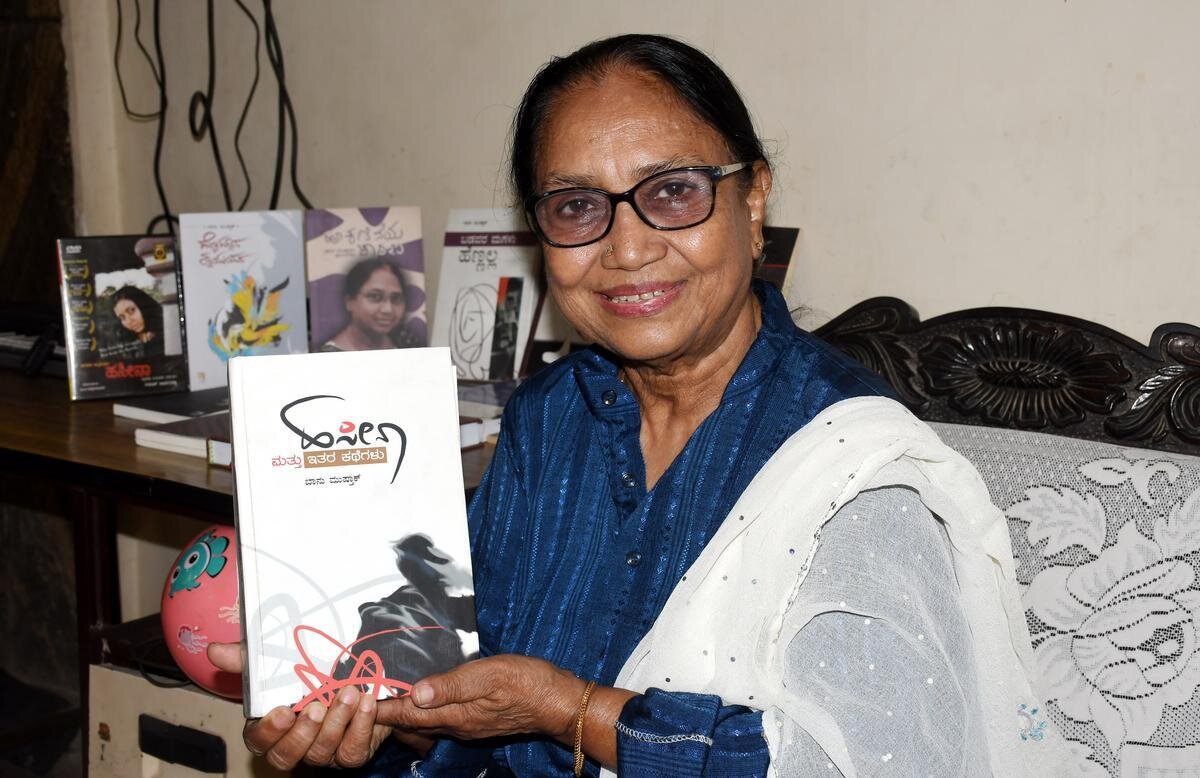
One of the most powerful examples is Hasina, a film directed by Girish Kasaravalli based on Banu Mushtaq’s short story Karinaagaragalu. The original story follows the life of a Muslim woman navigating abandonment and stigma. In adapting it for the screen, Kasaravalli chose to foreground the economic divide between the rich and the poor, adding another layer to the story’s emotional and social core.
Next comes Kanooru Heggadithi, adapted by Girish Karnad from Kuvempu’s 1936 novel Kanooru Subbamma Heggadithi. While the book presents a wide social landscape, Karnad focuses more closely on the lives of two central women, drawing out their choices and agency in a feudal household.
Chaitanya also reflects on Kusumabale, the 1988 novel by Devanoora Mahadeva, which he adapted into a television series. The story is known for its use of magical realism and layered narrative, evoking a structure similar to Gabriel García Márquez’s Chronicle of a Death Foretold. The adaptation retains the story’s tone while translating its non-linear form to screen.
The fourth work is Om Namo, a novel by Shantinath Desai that traces the lives of three generations in a Jain family. While not made into a feature film, it was adapted into a television serial for DD Chandana, directed by K.M. Chaitanya and produced by Girish Karnad. The story stands out for its quiet exploration of belief, identity, and inner conflict across time.
Finally, the episode turns to Daredevil Musthafa, a 2023 film directed by Shashank Soghal, based on a short story by Poornachandra Tejaswi. Tejaswi had once remarked that writers shouldn’t mind changes to their stories — as long as the film worked. While that was said about Jugari Cross, Daredevil Musthafa stays true to the spirit of the original, using humour and lightness to tell a story about difference, friendship, and rebellion in a college campus.
Whether it’s the moral questions explored by modernist writers, the unconventional structures of post-modern fiction, or the more personal, character-driven narratives of contemporary authors, Chaitanya’s selections show how Kannada literature continues to offer new ways of seeing and telling stories. These adaptations don’t just preserve the text — they interpret it, opening up different possibilities with each retelling.
ಕನ್ನಡ ಸಾಹಿತ್ಯವು ಆಳವಾದ ಬೇರುಗಳು ಮತ್ತು ವಿಶಾಲ ಶಾಖೆಗಳನ್ನು
ಹೊಂದಿದ್ದು ನಾಟಕಗಳು, ಚಲನಚಿತ್ರಗಳು ಮತ್ತು ದೂರದರ್ಶನ ಧಾರಾವಾಹಿಗಳಿಗೆ ಸ್ಫೂರ್ತಿಯ ಶ್ರೀಮಂತ ಮೂಲವಾಗಿ ದೀರ್ಘಕಾಲದಿಂದ ಸೇವೆ ಸಲ್ಲಿಸಿದೆ.
ಪುಸ್ತಕದಿಂದ ಪರದೆಗೆ ಅಥವಾ ರಂಗಭೂಮಿಗೆ ಈ ಪ್ರಯಾಣವನ್ನು ನಿಜವಾಗಿಯೂ ಆಕರ್ಷಕವಾಗಿಸುವುದು, ಕನ್ನಡ ಬರವಣಿಗೆಯಲ್ಲಿರುವ ವೈವಿಧ್ಯತೆ ಮತ್ತು ಸ್ವಂತಿಕೆ.
ಬರಹಗಾರರು ನಿರಂತರವಾಗಿ ಹೊಸ ದೃಷ್ಟಿಕೋನಗಳನ್ನು ತಂದಿದ್ದಾರೆ, ಅದು ಗ್ರಾಮೀಣ ಜೀವನದಲ್ಲಿ ಬೇರೂರಿರುವಿಕೆ, ನಗರ ಪರಕೀಯತೆ, ಜಾತಿ ರಾಜಕೀಯ ಅಥವಾ ಲಿಂಗ ಮತ್ತು ಗುರುತಿನ ಪ್ರಶ್ನೆಗಳಾಗಿರಬಹುದು. ಪ್ರತಿಯೊಬ್ಬ ಲೇಖಕರು ವಿಭಿನ್ನ ಧ್ವನಿ ಮತ್ತು ಉದ್ದೇಶವನ್ನು ತರುತ್ತಾರೆ ಮತ್ತು ಈ ವೈವಿಧ್ಯತೆಯೇ ಚಲನಚಿತ್ರ ಮತ್ತು ಟಿವಿಯಲ್ಲಿ ಸೃಜನಶೀಲ ಪುನರ್ ವ್ಯಾಖ್ಯಾನಗಳನ್ನು ಮುಂದುವರೆಸುತ್ತಿದೆ.
ನೂರಕ್ಕೆ ನೂರು ಕರ್ನಾಟಕದ ಮುಂದಿನ ಸಂಚಿಕೆಯಲ್ಲಿ, ನಿರ್ದೇಶಕ ಕೆ.ಎಂ. ಚೈತನ್ಯ ಅವರು ವರ್ಷಾ ರಾಮಚಂದ್ರ ಅವರೊಂದಿಗೆ ಸಾಹಿತ್ಯ ಕೃತಿಯನ್ನು ಪರದೆಗೆ ತರುವ ಸವಾಲುಗಳ ಬಗ್ಗೆ ಮಾತನಾಡುವುದಲ್ಲದೆ, ಕನ್ನಡ ಕಾದಂಬರಿಗಳನ್ನು ಆಧರಿಸಿದ ಐದು ಅತ್ಯುತ್ತಮ ಕೃತಿಗಳನ್ನು ಆಯ್ಕೆ ಮಾಡುತ್ತಾರೆ. ಅವರ ಆಯ್ಕೆಗಳು ಮೂಲ ಕೃತಿಗಳ ವಿಕಸನಗೊಳ್ಳುತ್ತಿರುವ ನಿರೂಪಣಾ ಶೈಲಿಗಳು, ವಿಷಯಗಳು ಮತ್ತು ಮೌಲ್ಯಗಳನ್ನು ಪ್ರತಿಬಿಂಬಿಸುತ್ತವೆ. ಅದು ನವ್ಯ ಚಳುವಳಿಯ ದಿಟ್ಟ ಸಾಮಾಜಿಕ ವ್ಯಾಖ್ಯಾನವಾಗಿರಲಿ ಅಥವಾ ಆಧುನಿಕೋತ್ತರ ಲೇಖಕರ ಪದರಗಳ ಕಥೆ ಹೇಳುವಿಕೆಯಾಗಿರಲಿ, ಚೈತನ್ಯ ಅವರ ಆಯ್ಕೆಗಳು ಕನ್ನಡ ಸಾಹಿತ್ಯ ಮತ್ತು ದೃಶ್ಯ ಕಥೆ ಹೇಳುವಿಕೆಯ ನಡುವಿನ ಅವಿನಾಭಾವ ಸಂಬಂಧದ ವನ್ನು ಒತ್ತಿಹೇಳುತ್ತವೆ.
Credits
Akshay Ramuhalli, Bruce Lee Mani, Gorveck Thokchom, Kishor Mandal, Kruthika Rao Narayan Krishnaswamy, Prashant Vasudevan, Ram Sheshadri, Sananda Dasgupta, Seema Seth, Shraddha Gautam, Supriya Joshi, and Velu Shankar.
Acknowledgements
YouTube
Hasina | Full Film
Kanooru Heggadithi | Full Film
Daredevil Mustafa | Full Film
Kusumabale | TV Serial
Om Namo | TV Serial
Books
Haseena Mattu Itara Kathegalu | Banu Mushtaq
Kanooru Heggaditi | Kuvempu
Kusuma Baale | Devanoora Mahadeva
Om Namo | Shantinath Desai
Abachoorina Post Office | Poornachandra Tejaswi (includes Daredevil Mustafa)