
Kannada Now and Then | ಕನ್ನಡ ಅಂದು ಇಂದು | A Rajyotsava Special Conversation with T.N. Seetharam
What does it mean to live Kannada, not just speak it?
In this Rajyotsava special of Noorakke Nooru Karnataka, celebrated director and writer T.N. Seetharam reflects on the icons who shaped us, the writers who defined us, the films that moved us, the songs that stayed with us, and the language that binds us, asking what it means to carry the Kannada spirit forward today.
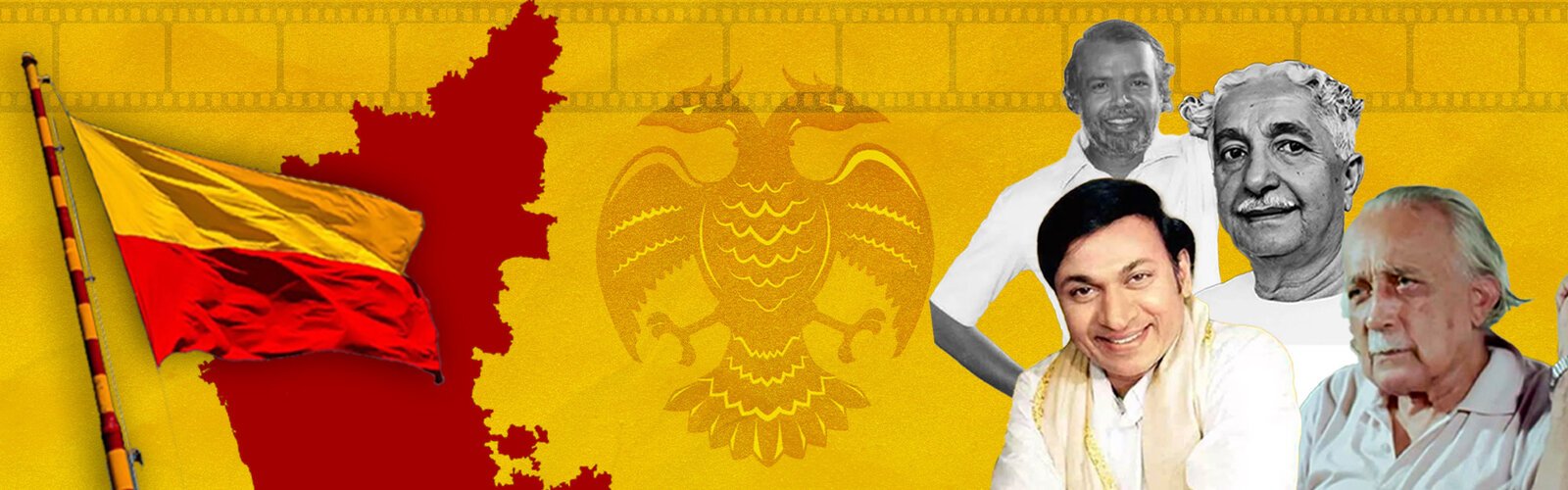
Known for his era-defining serials Mayamruga and Mukta, and films like Matadaana, Seetharam revisits the influences that made him who he is — from his Kannada school teacher, who remains a lifelong icon, to novels like Gruhabhanga that felt “just like the story of my own village.” He frames language with a line that lingers: “My language is my home’s door; the languages of others are its windows.”
Subscribe on YouTube
Through his memories, a portrait of Kannada itself begins to unfold. Dr. Rajkumar, whose humility and songs deepened a love for the language. Gubbi Veeranna, whose travelling theatres, built stages in every town and village, at a time when there were just 3 – 4 films a year but 40 – 50 plays.
And writers who built a shared consciousness — DVG, Kuvempu, Shivarama Karanth, Basavaraj Kattimani, Poornachandra Tejaswi, and Chaduranga, along with P. Lankesh, Devanuru Mahadeva, and Kavi Siddalingaiah, who carried that tradition into new social and literary terrains.
He reflects on the golden 70s when literature met cinema through films like Samskara, Belli Moda, Sharapanjara, Gejje Pooje, and Nagarahaavu. He recalls working on Manasa Sarovara, where poems like G. S. Shivarudrappa’s “Vedanthi Helidanu…” found its way on screen. From songs such as Doni Saagali to Kannadada Makalella Ondaagi Banni, he celebrates how music, poetry, and cinema together shaped the Kannada imagination.
Seetharam also speaks of the voices that gave Kannada its moral rhythm — from Basavanna’s vachanas, which capture the weight and wonder of everyday life, to Shishunala Sharifa, whose songs, brought to new audiences by C. Ashwath, opened a door to folk wisdom and spiritual simplicity.
Art mirrored life when he adapted S. L. Bhyrappa’s Matadaana, a story of a beloved leader who loses despite the people’s love, soon after his own election loss in Gauribidanur. The film went on to win the National Award, turning defeat into reflection.
As the conversation turns to the present, Seetharam asks, in a fast-moving world, should we tell the stories audiences want, or the ones that must be told? And what does Kannada pride mean today — for those who have grown with the language, and those who have come to love it as their own?
ನಮ್ಮನ್ನು ಕನ್ನಡಿಗರನ್ನಾಗಿ ಮಾಡುವುದು ಯಾವುದು? ನಮ್ಮ ಮೇಲೆ ಪ್ರಭಾವ ಬೀರಿದ ವ್ಯಕ್ತಿಗಳೇ, ನಾವು ಓದುವ ಕಥೆಗಳೇ ಅಥವಾ ನಾವು ಪ್ರತಿದಿನ ಆಡುವ ಭಾಷೆಯೇ?
ನೂರಕ್ಕೆ ನೂರು ಕರ್ನಾಟಕದ ಈ ರಾಜ್ಯೋತ್ಸವ ವಿಶೇಷ ಕಾರ್ಯಕ್ರಮದಲ್ಲಿ, ನಿರೂಪಕಿ ವರ್ಷಾ ರಾಮಚಂದ್ರ ಅವರೊಂದಿಗೆ ಮಾತನಾಡುತ್ತಾ ಖ್ಯಾತ ನಿರ್ದೇಶಕ ಟಿ.ಎನ್. ಸೀತಾರಾಮ್ (ಮಾಯಾಮೃಗ, ಮುಕ್ತ, ಮತದಾನ), ತಮ್ಮ ಪ್ರಕಾರ ಕನ್ನಡದ ಚೈತನ್ಯವನ್ನು ರೂಪಿಸಿದ ಐದು ಶಕ್ತಿಗಳ ಬಗ್ಗೆ ಪ್ರತಿಬಿಂಬಿಸುತ್ತಾರೆ — ಹೆಮ್ಮೆಯನ್ನು ಪ್ರೇರೇಪಿಸಿದ ಮೇರು ವ್ಯಕ್ತಿಗಳು, ಕಲ್ಪನೆಯನ್ನು ಆಳಗೊಳಿಸಿದ ಬರಹಗಾರರು, ಸಾಹಿತ್ಯವನ್ನು ಜನಸಾಮಾನ್ಯರಿಗೆ ಕೊಂಡೊಯ್ದ ಚಲನಚಿತ್ರಗಳು, ಅದಕ್ಕೆ ಲಯ ನೀಡಿದ ಹಾಡುಗಳು ಮತ್ತು ನಮ್ಮನ್ನು ಒಟ್ಟಿಗೆ ಹಿಡಿದಿಟ್ಟುಕೊಳ್ಳುವ ಭಾಷೆ.
ಡಾ.ರಾಜಕುಮಾರ್ ಮತ್ತು ಗುಬ್ಬಿ ವೀರಣ್ಣ ಅವರನ್ನು ನೆನೆದು, ಕುವೆಂಪು ಅವರಿಂದ ತೇಜಸ್ವಿ, ಭೈರಪ್ಪ ಅವರವರೆಗಿನ ಲೇಖಕರನ್ನು ಕೊಂಡಾಡಿದ ಅವರು, ಸಂಸ್ಕಾರ, ಬೆಳ್ಳಿ ಮೋಡ, ಗೆಜ್ಜೆ ಪೂಜೆಯ ಮೂಲಕ ಸಾಹಿತ್ಯ ಚಿತ್ರರಂಗಕ್ಕೆ ಬೆಸೆದುಕೊಂಡಿದ್ದ 70ರ ದಶಕವನ್ನು ಮತ್ತೆ ಮೆಲುಕು ಹಾಕುತ್ತಾರೆ. ಬಸವಣ್ಣನವರ ವಚನಗಳಿಂದ ಹಿಡಿದು ಶಿಶುನಾಳ ಷರೀಫರ ಗೀತೆಗಳವರೆಗೆ, ಕವಿತೆ, ಸಿನಿಮಾ, ಸಂಸ್ಕೃತಿ ಸೇರಿ ಕನ್ನಡದ ಪ್ರಜ್ಞೆಯನ್ನು ಹೇಗೆ ಕಟ್ಟಿದವು ಎಂಬುದನ್ನು ಸೀತಾರಾಮ್ ಗುರುತಿಸುತ್ತಾರೆ.
ಕನ್ನಡವನ್ನು ಜೀವಂತವಾಗಿರಿಸುವದನ್ನು ಮರುಶೋಧಿಸಲು ಈಗಲೇ ವೀಕ್ಷಿಸಿ.
Credits
Akshay Ramuhalli, Bruce Lee Mani, Gorveck Thokchom, Kishor Mandal, Kruthika Rao, Narayan Krishnaswamy, Prashant Vasudevan, Ram Sheshadri, Sananda Dasgupta, Seema Seth, Shraddha Gautam, Supriya Joshi, and Velu Shankar.