
Elementary Education of Adivasi Children in India
March 1 – 2, 2019
Details
- The year 2019 is being observed by the United Nations as the UN International Year of Indigenous Languages.
- A two-day knowledge-sharing workshop on ‘Elementary Education of Adivasi Children in India’ was organised at the University on March 1 – 2, 2019.
- Members from 60 organisations working in the area of Adivasi education from all over the country attended.
- ‘Indigenous education faces a double challenge: to support and promote the maintenance, use and survival of indigenous peoples’ cultures, languages, knowledge, traditions and identity, and to provide and develop the knowledge and skills that enable indigenous peoples to participate fully and equally in the national and international community.’ (King and Schielmann, 2004).
Workshop Reports
-
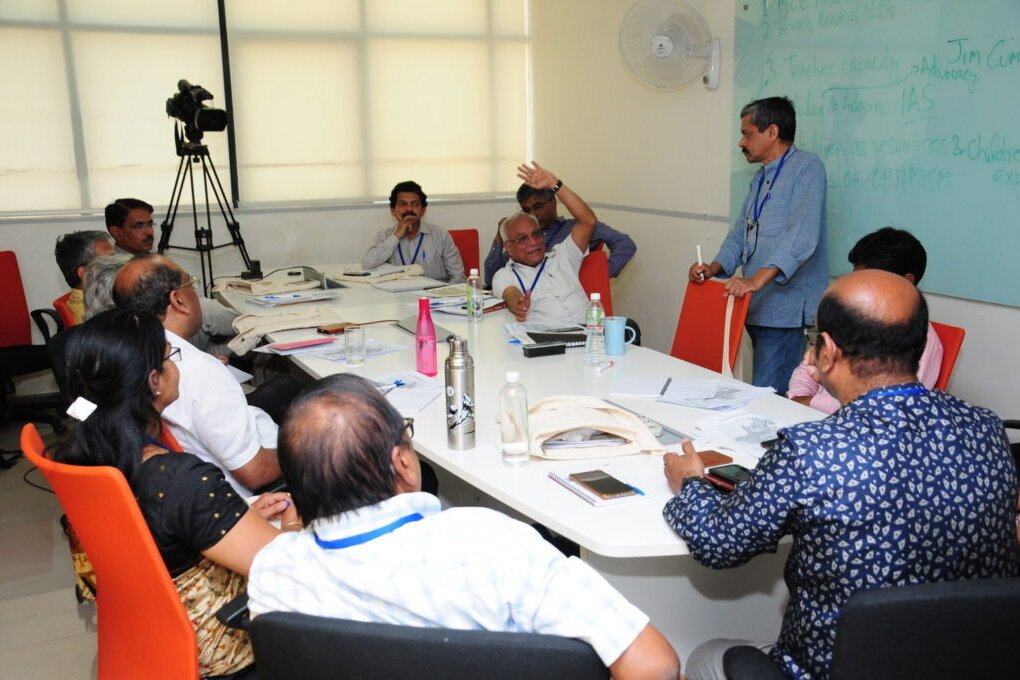

Multilinguality and Inclusion of Adivasi Languages
Session Report by A Giridhar Rao
Multilinguality in the classroom is often seen by teachers and schools as a problem. How to get the system to consider it as an asset? The MT-MLE programs for schools catering to students from the Adivasi communities need careful design
-
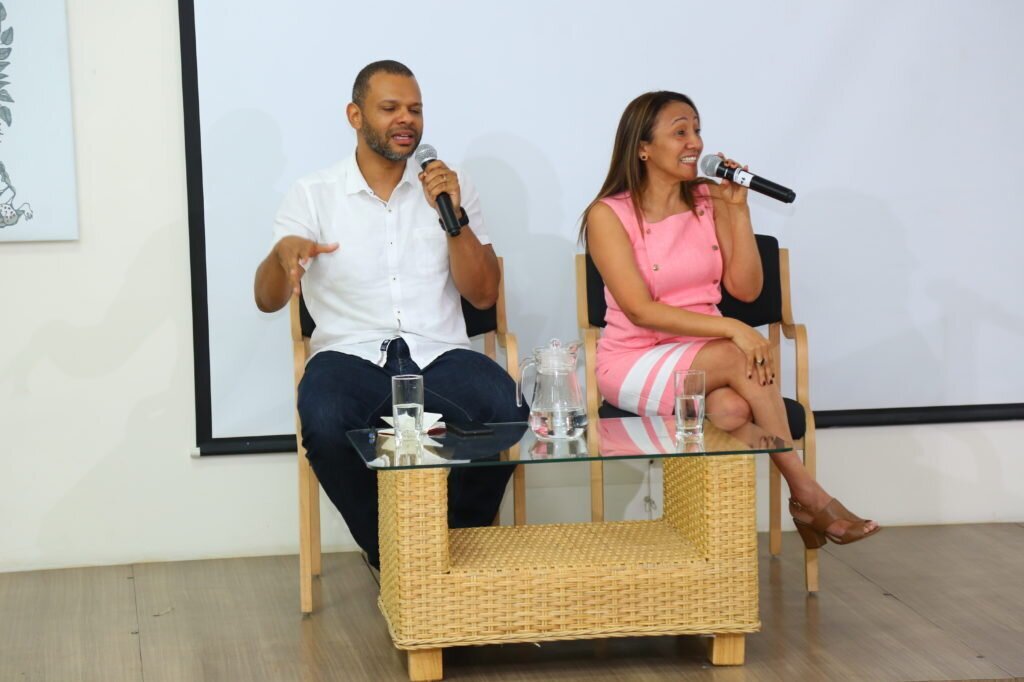

Intercultural Education of the Indigenous People in Brazil
Session Report by Asim Siddiqui and Pragati Tiwari
Rita Gomes, in her talk about the education of indigenous people, spoke of their long and arduous journey to first prove themselves as indigenous people of Brazil, and then demand their rights.
-
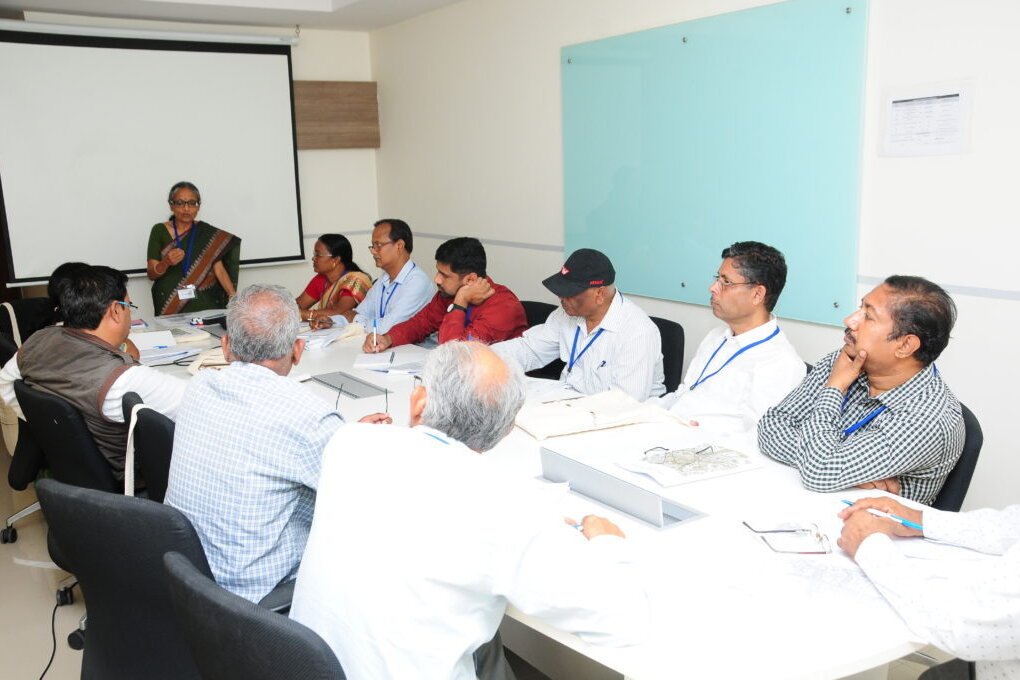
Teacher Capacities, Attitudes and Inclusion of Teachers from the Adivasi Communities
Session Report by Indira Vijaysimha
It is important to keep in mind that many of the Adivasi children are first-generation school-goers and if the teacher cannot speak their language, the children will not benefit from schooling.
-
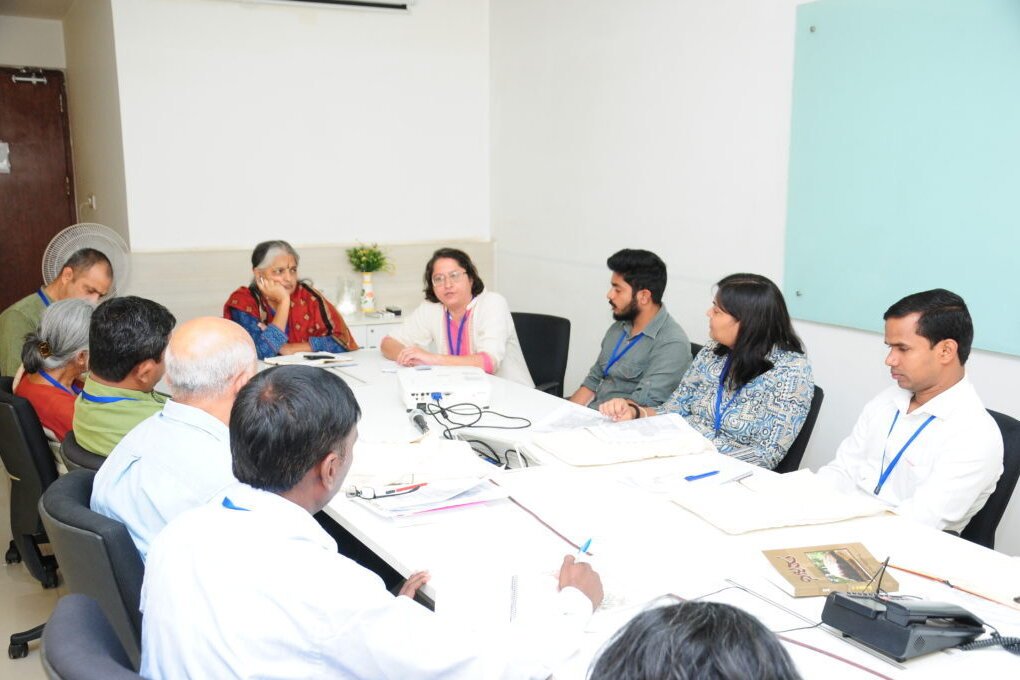
Policy-Making and Planning in the Public Education System for Adivasi Children
Session Report by Indu Prasad and Sonal Baxi
Policy-making for Adivasi education requires an understanding of the Adivasis in their historical and contemporary contexts and, more importantly, a consideration of what they themselves want.
-
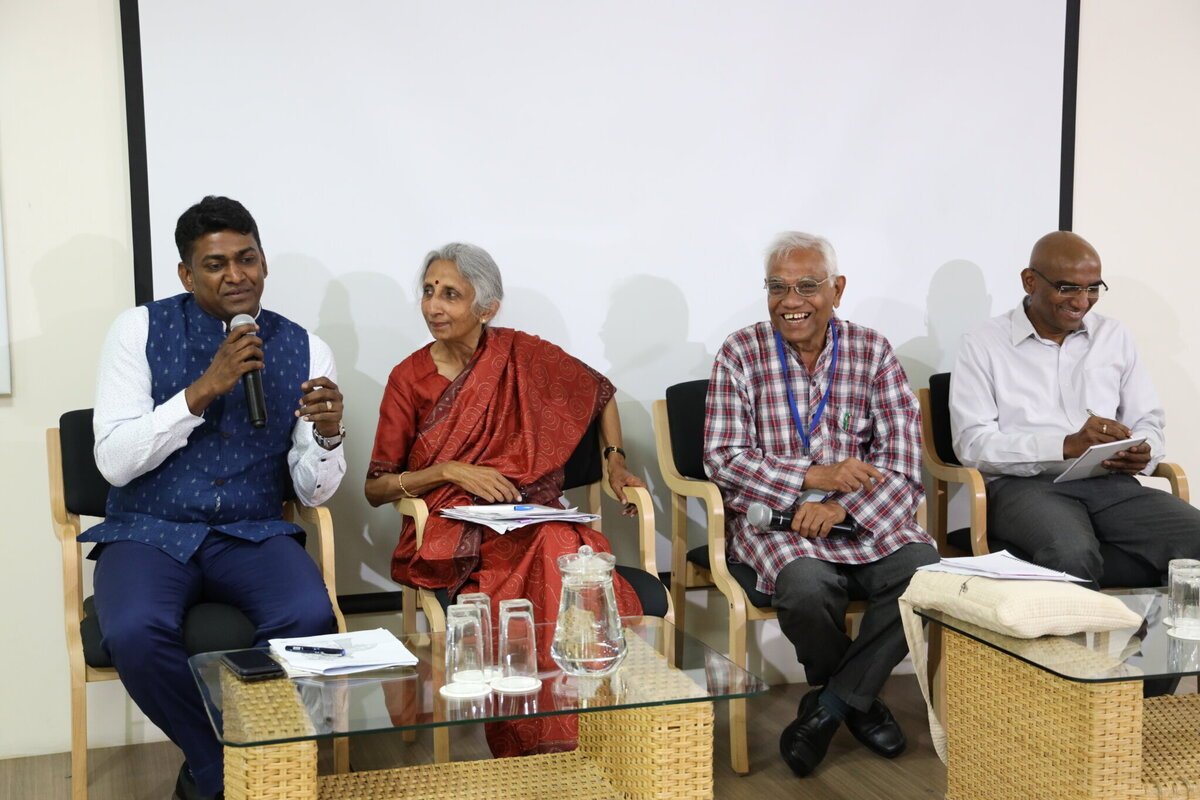

Public Education System and the Adivasi Child
Panel Discussion Report by Asim Siddiqui and Pragati Tiwari
The situation of tribals today is far worse than it was twenty years ago. There is a strong conflict between the interests of the tribal communities and those of the capitalists, which is playing out in the form of Naxalite movements.